You can send an email: htkim@ultrasonic-washer.com


Ht Washer Equipment Focus on washing machine equipment solutions.


Views: 0 Author: Site Editor Publish Time: 2026-02-06 Origin: Site


Many industries rely on high-precision cleaning methods to maintain efficiency. You might wonder if running this equipment daily causes wear. The answer generally leans toward yes, you can use it daily, but with caveats depending on the material. Ultrasonic Cleaning equipment utilizes high-frequency sound waves to create cavitation bubbles. These bubbles implode against surfaces, removing dirt, grease, and contaminants. This process is generally non-abrasive compared to mechanical scrubbing. However, the frequency of use affects delicate items differently than robust industrial parts.
For robust metal parts in automotive or aerospace sectors, daily cycles in Industrial Cleaning Systems are standard practice. These components are designed to withstand significant stress. Conversely, softer metals like aluminum or delicate jewelry require specific frequency adjustments to prevent pitting or micro-fractures over time. Understanding the balance between cleaning power and material integrity is crucial for any business using a washing and drying machine daily.
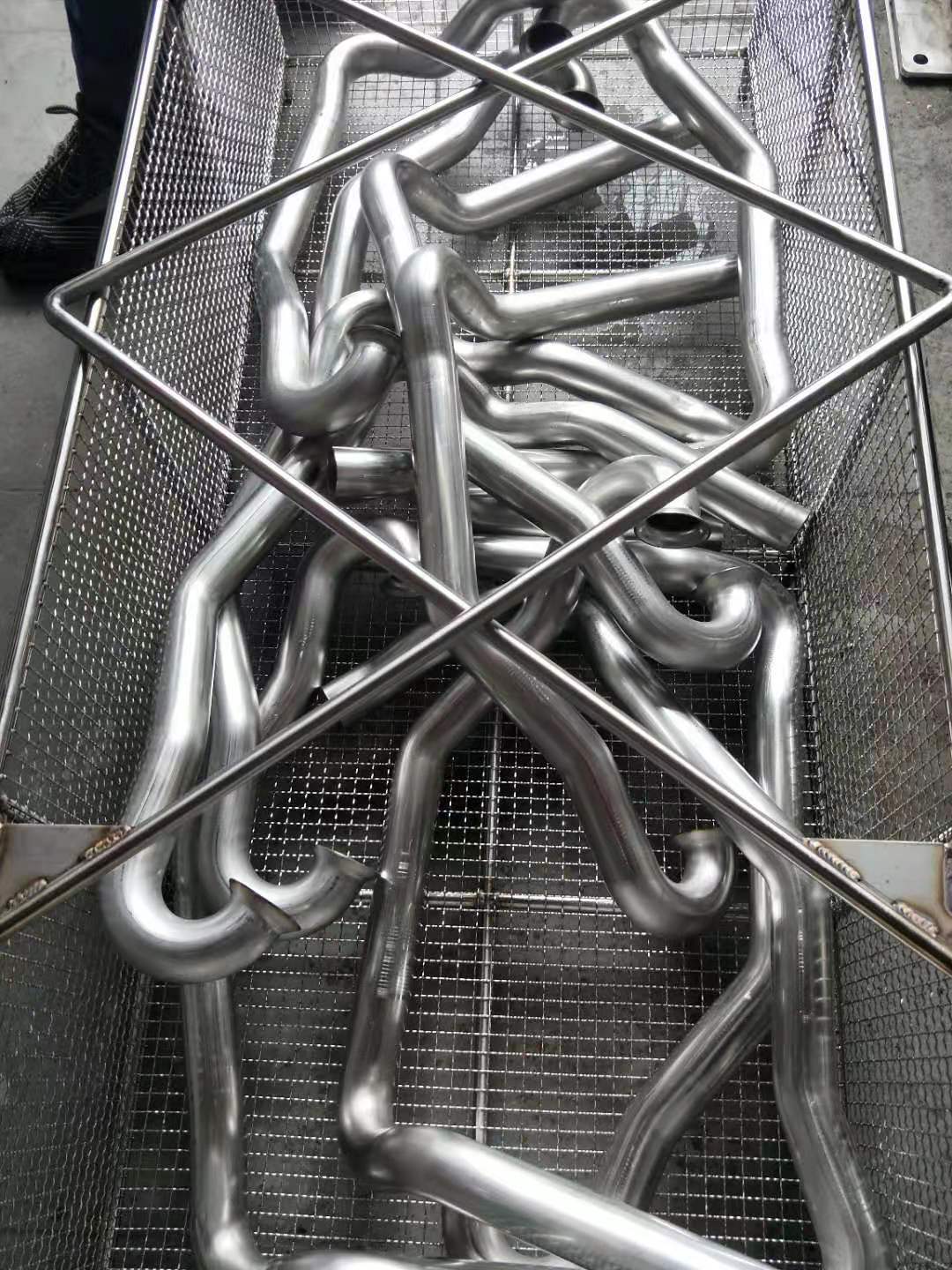
Several factors influence whether daily exposure to Ultrasonic Cleaning equipment remains safe. The first factor is the frequency of the sound waves. Lower frequencies (20-40 kHz) create larger, more powerful bubbles. These are excellent for heavy-duty cleaning but can be too aggressive for daily use on sensitive substrates. Higher frequencies (above 100 kHz) produce smaller bubbles that clean gently, making them ideal for frequent use on delicate electronics or optics.
The chemistry of the cleaning solution also plays a pivotal role. [Industrial Cleaning Systems]( often use alkaline, acidic, or neutral detergents. Using a harsh chemical daily accelerates corrosion or surface dulling, regardless of the ultrasonic action. Temperature control within the washing and drying machine further impacts safety. High heat combined with aggressive cavitation might warp plastics or temper metals if applied too frequently. Therefore, optimizing these parameters ensures that daily operations remain safe and effective.
Understanding material compatibility is essential when integrating Ultrasonic Cleaning equipment into a daily workflow. Not all materials respond the same way to cavitation.
Hard metals like stainless steel and titanium are excellent candidates for daily cycles in Industrial Cleaning Systems. They resist the erosive potential of cavitation well. However, softer metals require caution. Aluminum, brass, and copper can suffer from "cavitation erosion" if subjected to intense low-frequency cleaning every single day. For these materials, operators should adjust the Ultrasonic Cleaning equipment to higher frequencies or shorter cycle times.
Plastics absorb ultrasonic energy. This often makes cleaning them difficult but also means they are less likely to suffer surface damage. However, repeated exposure in a heated washing and drying machine can cause certain polymers to become brittle or leach plasticizers. It is vital to consult material safety data sheets before committing to a daily schedule for plastic components.
Daily cleaning of Printed Circuit Boards (PCBs) is common in manufacturing. Industrial Cleaning Systems designed for electronics use specific frequencies to avoid damaging delicate wire bonds. Using the wrong Ultrasonic Cleaning equipment can damage sensors or loosen soldered joints. When done correctly, daily flux removal is perfectly safe and necessary for quality control.
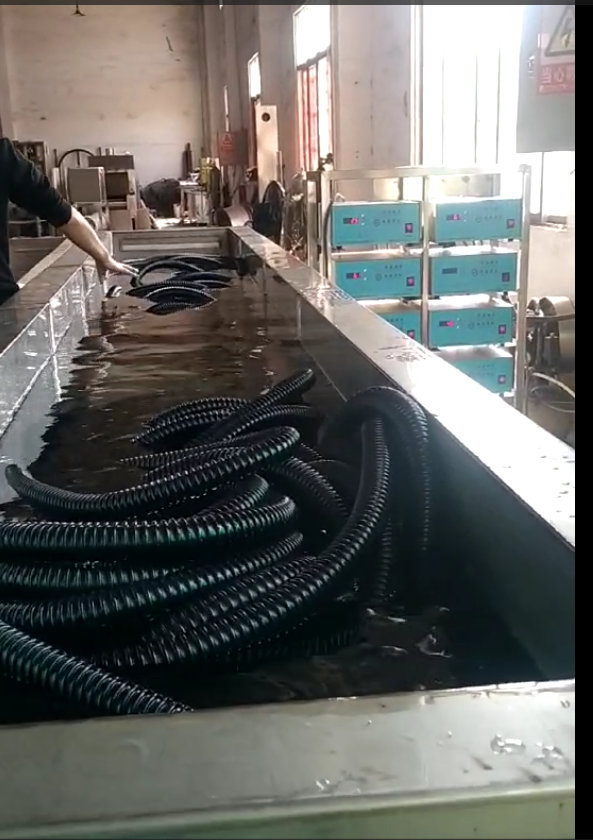
Investing in high-quality Industrial Cleaning Systems ensures longevity for both the machine and the parts being cleaned. Cheaper units often lack the frequency sweep functions necessary to prevent "hot spots." Hot spots are areas of intense cavitation that can damage parts if they sit in the same position daily. Professional Ultrasonic Cleaning equipment distributes energy evenly, ensuring uniform cleaning without localized damage.
Furthermore, a robust washing and drying machine will include filtration systems. Daily use quickly contaminates the cleaning fluid. Without proper filtration, you end up blasting particles back onto the parts, which defeats the purpose of cleaning. Advanced systems monitor fluid quality, ensuring that daily use yields consistent results.
Feature | Standard Cleaners | Advanced Industrial Systems |
|---|---|---|
Frequency Sweep | Rarely Included | Standard |
Tank Life | 1-2 Years | 10+ Years |
Fluid Filtration | Manual | Automated |
Power Adjustability | Fixed | Variable (0-100%) |
Daily Use Suitability | Low | High |
Yes, operator error is a primary cause of damage when using Ultrasonic Cleaning equipment daily. Leaving a part in the tank for too long is a common mistake. If a 5-minute cycle cleans the part, leaving it for 30 minutes "just to be sure" increases the risk of erosion without improving cleanliness.
Overloading the basket is another issue. Industrial Cleaning Systems rely on sound waves traveling freely. If parts are stacked too densely, the ones in the center may not get cleaned, while the ones on the outside receive too much energy. Proper spacing in the washing and drying machine is critical. Additionally, placing parts directly on the tank bottom dampens the transducers and can ruin the machine itself.
The liquid medium is just as important as the ultrasonic waves. When using Industrial Cleaning Systems daily, the solution must be compatible with the contaminant and the substrate. Using water alone is rarely sufficient because it has high surface tension. A proper surfactant lowers surface tension, allowing the cavitation bubbles to form more easily.
However, using a highly acidic solution in your Ultrasonic Cleaning equipment daily can eat away at the tank walls and the parts. Neutral pH cleaners are often the best choice for general daily maintenance. They offer a good balance of cleaning power and material safety. Furthermore, the washing and drying machine must be able to rinse residues effectively. If detergent dries on the part daily, it can build up a layer that is difficult to remove later.
There are specific scenarios where daily use of Ultrasonic Cleaning equipment is ill-advised. Items with loose stones (like certain jewelry) or existing cracks should be cleaned sparingly. The vibrations can loosen settings or propagate cracks further. Similarly, parts that are painted or plated poorly might see the coating flake off under daily cavitation.
In the context of Industrial Cleaning Systems, parts that require lubrication for operation should not be stripped of oil daily unless they are re-lubricated immediately. Removing essential grease from bearings or hinges every day without replacement will lead to mechanical failure. A washing and drying machine that includes a re-oiling step can mitigate this issue.
If you use your Ultrasonic Cleaning equipment every day, the machine itself needs care. The transducers—the components that create the sound waves—can degrade over time. Daily users must monitor the "foil test" results regularly to ensure the cavitation is still strong and even.
Industrial Cleaning Systems also require regular tank draining and cleaning. Sludge accumulates at the bottom, which absorbs ultrasonic energy. If not removed, your daily cleaning cycles will become progressively weaker. The heating elements in the washing and drying machine also need inspection to ensure they maintain the correct temperature, as temperature fluctuations affect cleaning consistency.
To get the most out of your Ultrasonic Cleaning equipment, establish a standard operating procedure (SOP). This SOP should define the exact time, temperature, and chemistry for each part type. Consistency is key.
Pre-rinse: Remove heavy debris before placing parts in Industrial Cleaning Systems. This extends the life of the cleaning fluid. Load Correctly: Ensure parts are suspended in the basket and not touching the tank bottom. Run Cycle: Execute the cycle for the minimum time required to achieve cleanliness. Rinse and Dry: Use the drying function of the washing and drying machine immediately to prevent water spots or corrosion. Inspect: Regular quality checks ensure the daily process is not causing gradual degradation.
A washing and drying machine is not complete without the drying phase. After ultrasonic cleaning, parts are wet and susceptible to oxidation, especially ferrous metals. If you clean parts daily but let them air dry slowly, rust will form.
Industrial Cleaning Systems often integrate hot air blowers or vacuum drying. This ensures moisture is removed from blind holes and crevices instantly. For daily workflows, this speed is vital. You cannot have a backlog of wet parts waiting to dry. Efficient drying completes the cycle, making the parts ready for the next stage of production immediately.
Running Ultrasonic Cleaning equipment daily does contribute to operational costs. Heating the water takes up the majority of the energy. To minimize costs, keep the lid on the Industrial Cleaning Systems when not loading or unloading. This traps heat and prevents evaporation.
Insulated tanks also help maintain temperature with less energy input. While the ultrasonic generation itself is relatively efficient, the heating component of a washing and drying machine can be substantial. Smart scheduling—cleaning in large batches rather than running the machine continuously for single items—improves energy efficiency dramatically.
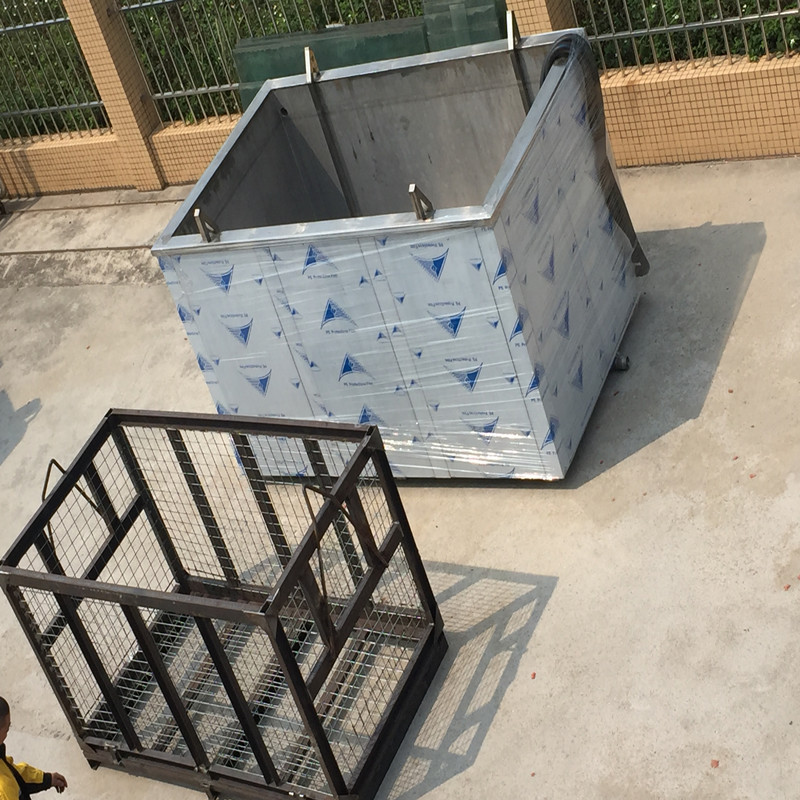
For businesses requiring dependable daily operation, choosing the right partner is critical. You need equipment that withstands the rigors of heavy usage. Hengtai offers robust Industrial Cleaning Systems designed for demanding environments. Their expertise ensures that you get the right Ultrasonic Cleaning equipment for your specific materials. Whether you need a standalone unit or a fully integrated washing and drying machine, Hengtai provides solutions that ensure safety and efficiency for daily cleaning tasks.
Generally, no. While hard stones like diamonds are usually safe, daily exposure can loosen settings. Soft stones like opals or pearls should never go in Ultrasonic Cleaning equipment.
If you use the system daily, you should check the fluid daily. Depending on the soil load, you may need to change it every few days or weekly. Filtration systems extend this lifespan significantly.
Only if the wrong frequency is used. Low frequencies can damage wire bonds. Specialized Industrial Cleaning Systems with high frequencies are safe for daily PCB cleaning.
Heat improves cleaning efficiency for most contaminants like grease or oil. However, for protein-based soils, cooler temperatures are better. Consult your chemical supplier.
Yes, eventually. Transducers have a lifespan. However, high-quality Ultrasonic Cleaning equipment is built to last for thousands of hours of operation.
No. The cavitation can cause damage to the tissues in your hands and joints over time. Always use baskets or fixtures.
Email: htkim@ultrasonic-washer.com
Phone: +86 13690655506


