You can send an email: htkim@ultrasonic-washer.com


Ht Washer Equipment Focus on washing machine equipment solutions.


Views: 0 Author: Site Editor Publish Time: 2026-05-19 Origin: Site


Maintaining pristine components is a fundamental requirement across modern manufacturing sectors. From aerospace engineering to the production of intricate electronics, even microscopic contaminants can lead to catastrophic system failures. Facility managers constantly evaluate different methods to strip away oils, greases, and particulates without damaging sensitive substrates.
One of the most effective solutions for achieving microscopic cleanliness relies on solvent condensation. A Vapor Degreaser utilizes boiling solvents to create a pure, dense mist that naturally condenses on cooler parts introduced into the chamber. This process effectively melts away stubborn residues, allowing the contaminants to drip back into the boiling sump while leaving the component perfectly clean and dry.
Understanding the mechanics behind this equipment helps organizations make informed decisions about their production lines. By comparing solvent-based condensation with other aqueous methods, facilities can optimize their workflows, reduce chemical waste, and ensure regulatory compliance.


The fundamental principle of this cleaning method revolves around the phase change of specialized fluids. The equipment typically features two main chambers: a boiling sump and a clean rinse sump. Heating elements bring the solvent in the boiling sump to its vaporization point, creating a thick cloud of vapor that fills the upper portion of the machine.
When a room-temperature metal or plastic part is lowered into this vapor zone, the temperature differential causes the vapor to condense instantly on the surface. This pure liquid solvent acts as a powerful stripping agent. It dissolves machining oils, stamping lubricants, and other soils, carrying them away as gravity pulls the liquid back down into the boiling sump.
Because the vapor is inherently pure—leaving behind any dissolved soils in the boiling liquid below—the part is continuously washed with uncontaminated solvent. Once the part reaches the temperature of the vapor, condensation stops. The operator slowly removes the dry, thoroughly cleaned component, ready for the next stage of assembly or packaging.
Selecting the correct machinery depends heavily on the specific soils involved, the production volume, and the geometry of the parts. Facilities often weigh the pros and cons of several standard setups.
Cleaning Technology | Primary Mechanism | Best Suited For | Typical Drying Method |
Solvent Condensation | Boiling fluid vapors dissolving oils | Complex geometries, electronics, aerospace | Instantaneous evaporation |
Aqueous Spray | High-pressure water and detergents | Large metal parts, heavy grease removal | Forced hot air |
Immersion Agitation | Submerging parts in agitated fluid | Heavily soiled components, blind holes | Heated airflow |
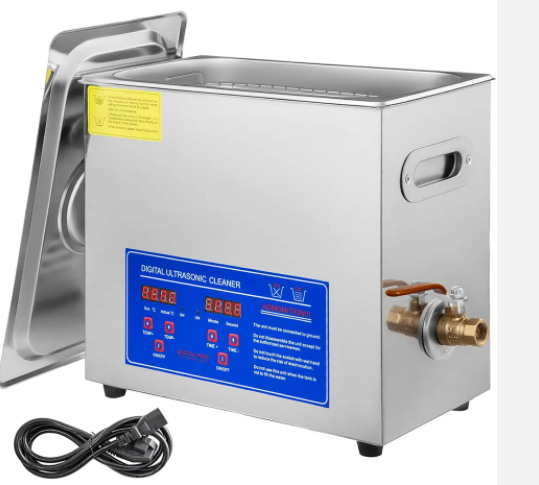
Ultrasonic Cavitation | High-frequency sound waves in liquid | Microscopic precision, medical devices | Vacuum or air blowers |
As the table illustrates, aqueous systems and ultrasonic tanks excel in many environments, but solvent condensation remains unmatched when parts require immediate drying without water spots or residue.

Implementing a reliable solvent condensation system offers numerous advantages that directly impact a company's bottom line. The most prominent benefit is the sheer speed of the cycle. Because the parts dry instantly as they exit the vapor zone, manufacturers eliminate the need for secondary drying stations. This drastically reduces the physical footprint of the production line and accelerates throughput.
Another significant advantage is the ability to penetrate complex geometries. Unlike a traditional Cabinet Parts Washer that relies on the physical impact of spray nozzles, a vapor cloud expands to reach every crevice, blind hole, and intricate thread. The solvent condenses uniformly across all surfaces, ensuring consistent results without the risk of shadowed areas where spray water might not reach.
Furthermore, modern systems incorporate advanced chilling coils and sealed lids to minimize solvent loss. By constantly recovering and recycling the fluid, these machines maintain a low operating cost over their lifespan while minimizing environmental exposure.
Historically, solvent cleaning faced heavy scrutiny due to the use of harsh, ozone-depleting chemicals. The industry has since evolved significantly. Contemporary equipment is designed to operate with modern, eco-friendly solvents that boast low global warming potential and zero ozone depletion potential.
Safety features have also advanced. Automated hoists ensure parts are lowered and raised at precise speeds, preventing vapor drag-out. Primary and secondary cooling coils create a strict boundary, keeping the vapor contained within the tank. These innovations protect operators from exposure and help facilities adhere to stringent environmental regulations.
Integrating new cleaning equipment requires a thorough analysis of your daily operations. You must evaluate the types of metals or plastics you process, as some solvents can degrade specific polymers. It is equally important to calculate your expected throughput to size the sumps correctly. A machine that is too small will cause the vapor blanket to collapse when large, cold parts are introduced, severely extending cycle times.
Beyond the washing phase itself, facility managers must consider the entire lifecycle of the component on the factory floor. If your process incorporates aqueous stages prior to solvent cleaning, or if you handle porous materials that retain moisture, you might need to integrate supplementary machinery. For example, routing components through a dryer industrial setup before they reach the solvent chamber ensures that excess water does not contaminate the solvent chemistry.
Routine maintenance is vital for keeping these systems running at peak efficiency. Operators must regularly monitor the boiling temperature of the sump. As oils and contaminants accumulate in the boiling fluid, the boiling point gradually rises. Monitoring this temperature spike tells operators exactly when it is time to boil down the solvent, remove the waste sludge, and replenish the tank with fresh fluid.
Filters and desiccant bags also require periodic replacement to remove particulate matter and ambient moisture. By adhering to a strict maintenance schedule, manufacturers extend the life of the machine and ensure their components consistently meet strict quality control standards.
Achieving microscopic cleanliness is a critical step in producing high-quality, reliable products. By leveraging the power of solvent condensation, manufacturers can effectively strip away heavy oils and particulates from the most intricate components. This method provides unmatched speed, precision, and consistency, making it a valuable asset for any serious production facility.
Evaluate your current workflows, assess the geometries of your components, and consider how upgrading your washing and drying infrastructure could streamline your operations. Investing in the right technology protects your parts, empowers your workforce, and secures your position in a highly competitive industrial landscape.


