You can send an email: htkim@ultrasonic-washer.com


Ht Washer Equipment Focus on washing machine equipment solutions.


Views: 0 Author: Site Editor Publish Time: 2026-06-15 Origin: Site


TL;DR:
Industrial cleaning and coating equipment automates the removal of contaminants and application of protective layers on manufactured parts. Organizations streamline production, reduce manual labor, and ensure consistent product quality by partnering with established equipment providers. Choose automated systems if high throughput and precise consistency matter more than initial capital investment.
Maintaining pristine component surfaces is an absolute necessity for modern manufacturing facilities. Parts coming off the assembly line often carry residual oils, metal shavings, and environmental dust. If these contaminants remain, they severely compromise subsequent processes like assembly, painting, or packaging.
To solve this problem, facility managers invest heavily in automated surface treatment systems. These robust units take raw, contaminated parts and transform them into perfectly clean, rust-resistant components ready for final delivery. The transition from manual scrubbing to automated processing represents a massive leap in operational efficiency.
Finding the right equipment partner dictates the long-term success of your production line. Established oil coating machine manufacturers engineer systems that apply exact, uniform layers of anti-rust protectants across complex geometries. This precision prevents corrosion during storage and transit, ultimately protecting your bottom line and company reputation.

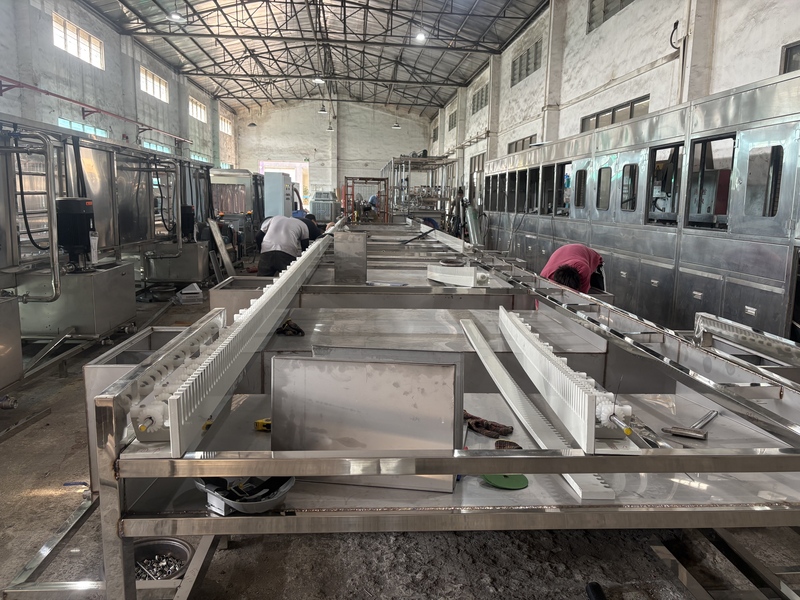
Implementing specialized equipment into your workflow creates a ripple effect of positive outcomes. Automation drastically reduces the physical burden on your workforce, lowering injury rates and reallocating human capital to higher-value tasks.
Furthermore, automated machinery delivers a level of consistency impossible to achieve by hand. When components pass through industrial washers, they receive exact water pressures, precise chemical concentrations, and strictly monitored temperatures. This uniformity ensures every single part meets strict quality control standards.
Securing these benefits requires working with reliable partners. Dedicated oil coating machine suppliers typically offer comprehensive consultations to match specific equipment capabilities with your unique operational requirements. They evaluate your floor space, throughput needs, and target cleanliness levels to recommend the perfect setup.
Manual processing heavily relies on operator skill and endurance. As workers fatigue throughout their shift, cleaning quality inevitably drops. Automated units, however, maintain peak performance continuously. They process thousands of parts per hour without a single drop in quality.
Moreover, enclosed industrial systems recapture and filter their chemical agents. This closed-loop design minimizes environmental impact and drastically cuts consumable costs. Manual operations often result in excessive chemical waste and unsafe exposure for employees.
Selecting the ideal machinery requires a deep understanding of standard features. High-quality systems usually incorporate multi-stage processing zones, high-efficiency filtration, and intuitive control panels.
For businesses handling heavily soiled components, high-pressure liquid application is critical. A robust spray cleaning machine utilizes kinetic energy to dislodge stubborn particulates from deep crevices and blind holes.
Below is a breakdown of common equipment specifications and their typical applications.
System Type | Primary Function | Ideal Application | Target Industry |
Ultrasonic Unit | Precision particulate removal | Complex geometries, blind holes | Electronics, Medical |
Conveyor Washer | High-volume continuous processing | Stamped parts, fasteners | Automotive, Hardware |
Multilayer Dryer | Rapid moisture evaporation | High-speed production lines | General Manufacturing |
Robotic Arm System | Targeted localized processing | Heavy, awkward components | Aerospace, Heavy Machinery |
Fragmented purchasing creates massive integration headaches. Buying a washer from one company, a dryer from another, and an anti-rust applicator from a third vendor often results in mismatched conveyor speeds and software incompatibilities.
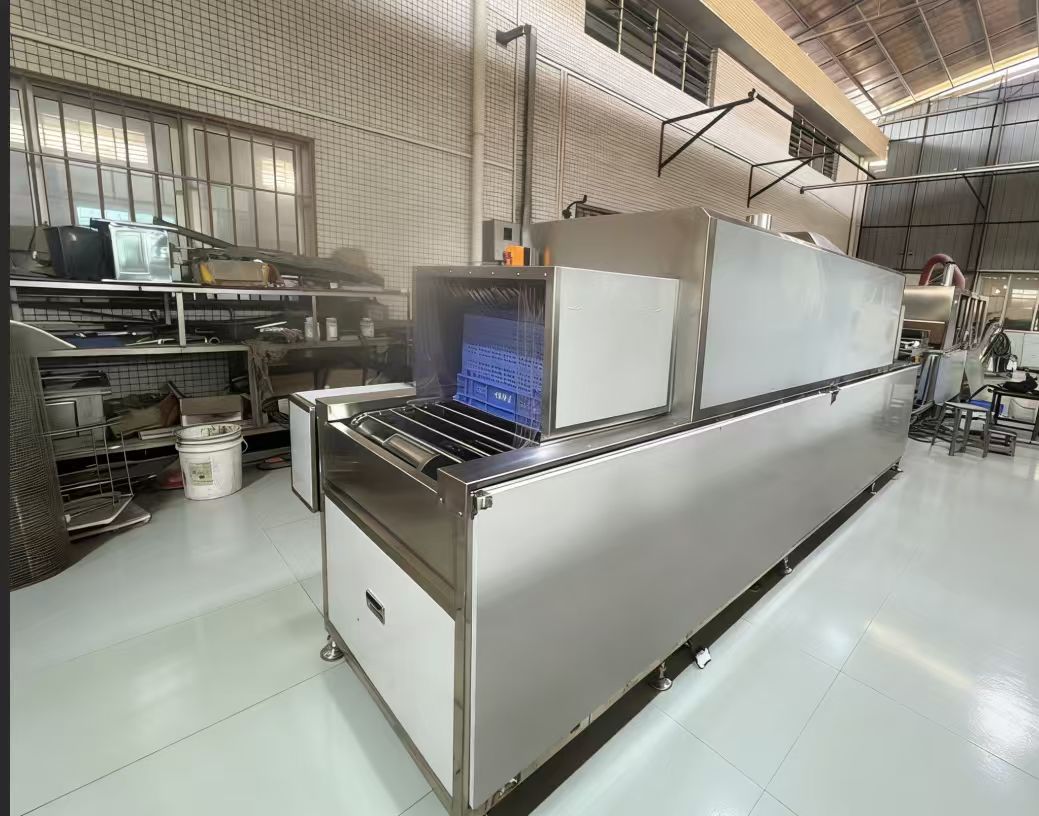
Comprehensive providers, such as Jiangmen Hengtai Cleaning Equipment Co., Ltd., offer end-to-end solutions. Operating from a 10,000-square-meter modern facility, they engineer interconnected lines that handle the entire process. Parts enter dirty and exit completely clean, dry, and protected.
This unified approach simplifies maintenance and troubleshooting. When you rely on a single manufacturer, you only need one point of contact for spare parts, software updates, and technical support. Centralizing your equipment procurement ultimately saves procurement teams hundreds of hours annually.
Modernizing your production line is a significant but necessary investment. Start by auditing your current workflow to identify bottlenecks. Calculate your current chemical usage, labor costs, and scrap rates due to improper surface treatment.
Once you have baseline metrics, reach out to experienced engineering teams. Request custom proposals that address your specific pain points, and always ask for case studies relevant to your exact industry. Prioritize vendors offering full automation, environmental compliance, and long-term warranties.

What is the typical lifespan of heavy-duty washing equipment?
Industrial washing systems generally last between 10 and 15 years with proper maintenance. Regular filter changes, prompt sensor calibration, and routine pump inspections significantly extend the operational life of the machinery.
How much floor space do automated processing lines require?
Space requirements vary wildly based on throughput. Compact, single-chamber units might only need 20 square feet, while fully integrated continuous lines can span over 100 feet in length. Always request 3D layout models before finalizing a purchase.
Can existing lines integrate new automated units?
Yes, experienced engineering firms routinely retrofit new technology into existing production lines. Modern equipment usually features adjustable conveyor heights and programmable logic controllers (PLCs) designed specifically to communicate with older legacy systems.
Are water-based systems better than solvent-based alternatives?
Choose water-based systems if environmental compliance and worker safety matter more than rapid evaporation rates. While solvents dry faster and cut through heavy grease easily, water-based solutions with advanced detergents offer safer, eco-friendly performance suitable for most modern applications.


