You can send an email: htkim@ultrasonic-washer.com


Ht Washer Equipment Focus on washing machine equipment solutions.


Views: 0 Author: Site Editor Publish Time: 2026-06-06 Origin: Site


Quick answer:
Submitting an automated industrial washer inquiry requires identifying your specific facility requirements, selecting the appropriate multi-slot or conveyor-based machinery, and determining your necessary daily throughput. Jiangmen Hengtai Cleaning Equipment Co., Ltd. uses this information to provide customized industrial washing solutions tailored to your unique manufacturing demands and production goals.
Manufacturing facilities face constant pressure to maintain high cleanliness standards while keeping operational costs low. Finding the right equipment to handle complex components often dictates how efficiently a production line runs. You need machinery that removes stubborn contaminants without damaging sensitive parts.
This article breaks down how to navigate the procurement process for industrial washing equipment. Readers will discover how to evaluate different machinery configurations, compare standard throughput options, and understand the core benefits of automated processing before contacting a manufacturer.
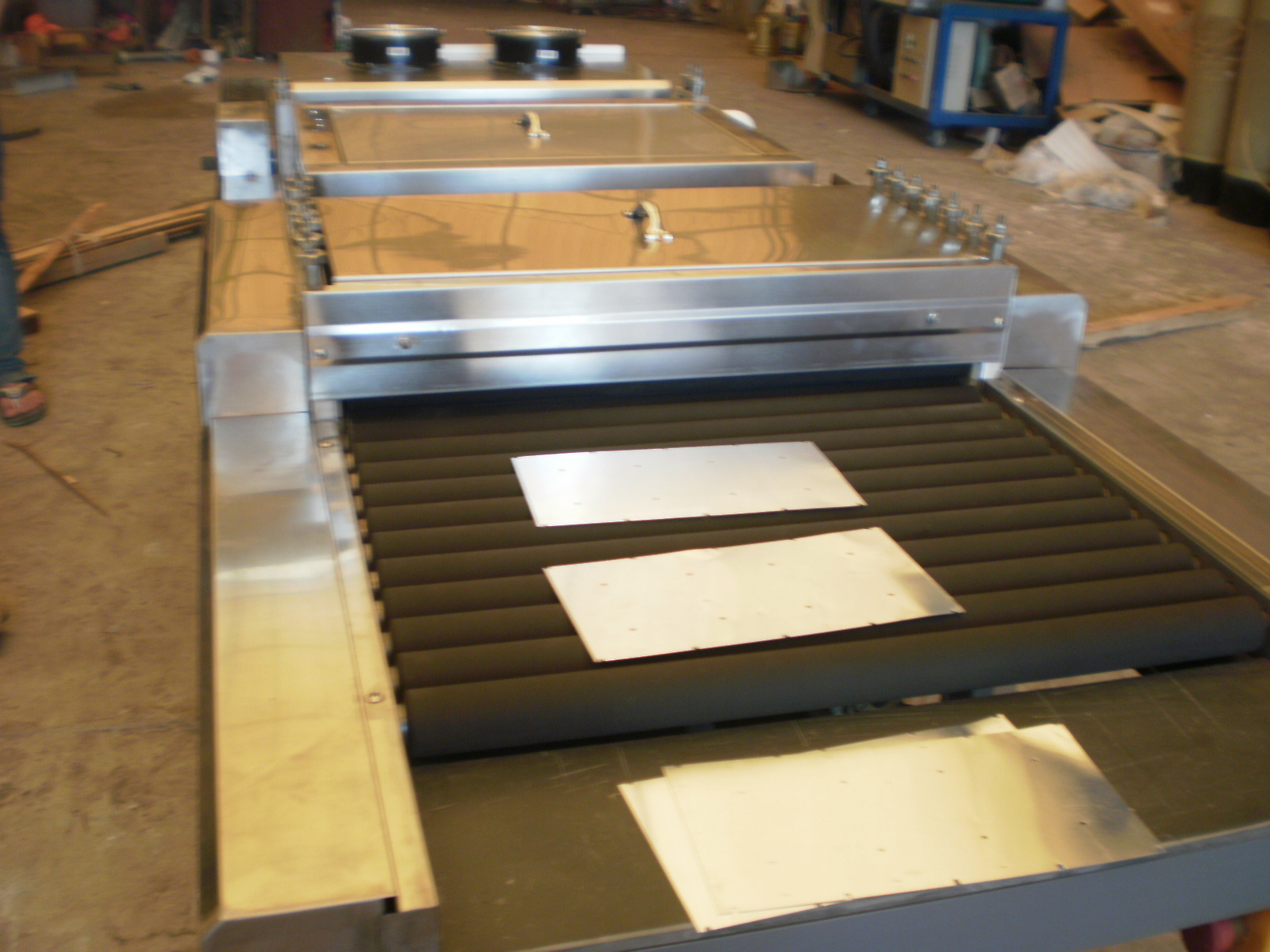
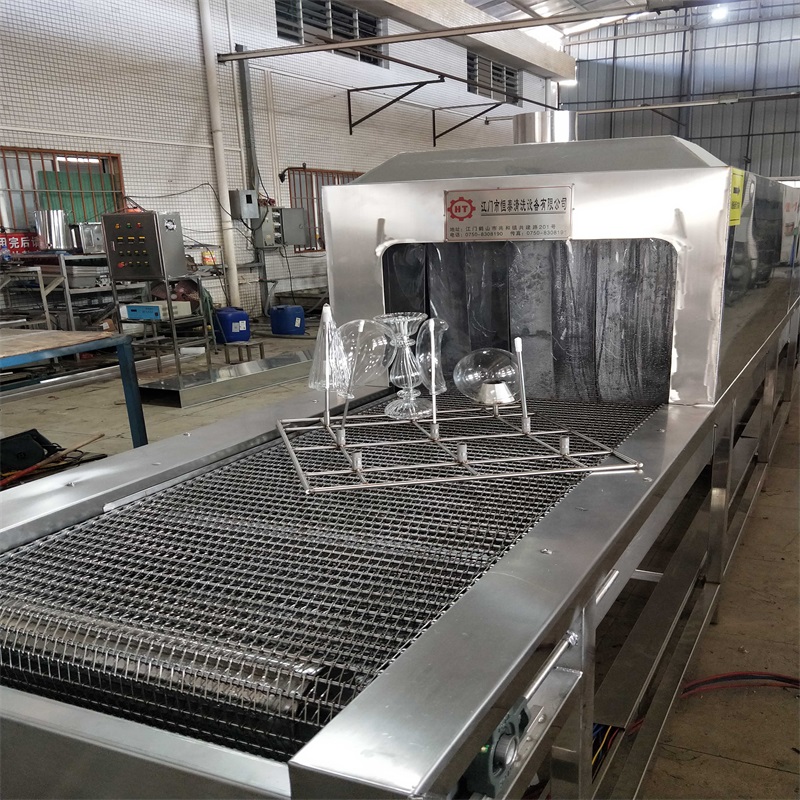
Washing delicate or complex parts manually leads to inconsistent results and high labor costs. Automated machinery applies precise acoustic energy to a liquid solvent, creating microscopic bubbles that implode and safely remove grease, oil, and debris from tight crevices. This process, known as cavitation, delivers a level of microscopic cleanliness that traditional scrubbing cannot achieve.
Selecting a high-quality vapor cleaning system for manufacturing allows facilities to process large volumes of parts simultaneously. This method ensures that every component meets strict quality control standards before moving to the next phase of assembly. Jiangmen Hengtai Cleaning Equipment Co., Ltd. engineers their machinery to maintain specific temperature controls, which optimizes solvent effectiveness and reduces overall energy consumption.
Furthermore, shifting to automated systems drastically lowers the risk of human error. Operators simply load the baskets, select the pre-programmed cycle, and let the machine handle the exact timing and chemical exposure needed for the batch.
Choosing the correct configuration depends entirely on your daily throughput requirements and the physical footprint available on your factory floor. Facilities processing thousands of identical small parts need vastly different equipment than workshops handling heavy, customized engine blocks.
Equipment Type | Best Application | Automation Level | Throughput Capacity |
Conveyor-Type Washer | High-volume continuous production | Fully Automated | High |
Robotic Arm Washer | Heavy or complex custom parts | Fully Automated | Medium |
Semi-Automatic Washer | Smaller batches, varied part sizes | Partial | Low to Medium |
Multi-Slot Washer | Components needing multiple wash stages | Fully Automated | Medium to High |
Use conveyor-style systems if your facility requires continuous, uninterrupted processing for small components. Opt for robotic arm configurations when handling heavier parts that require careful, specialized maneuvering between different chemical baths. Semi-automatic machines serve as excellent entry-level solutions for facilities that process smaller, variable batches throughout the week.
Modern industrial washers integrate several distinct technologies to guarantee thorough soil removal. High-frequency transducers generate the necessary acoustic waves, while integrated heating elements maintain the fluid at optimal temperatures. Operators can program specific cycle times based on the exact material properties of the components being processed.
Installing a reliable ultrasonic cleaning device drastically reduces the need for harsh chemicals. The physical scrubbing action created by cavitation does the heavy lifting, meaning facilities can often switch to environmentally friendly, water-based detergents. This shift lowers hazardous waste disposal costs and improves workplace safety for employees. Systems manufactured by Hengtai also integrate multi-layer belt dryers and pure water treatment features, offering a complete end-to-end solution for parts processing.
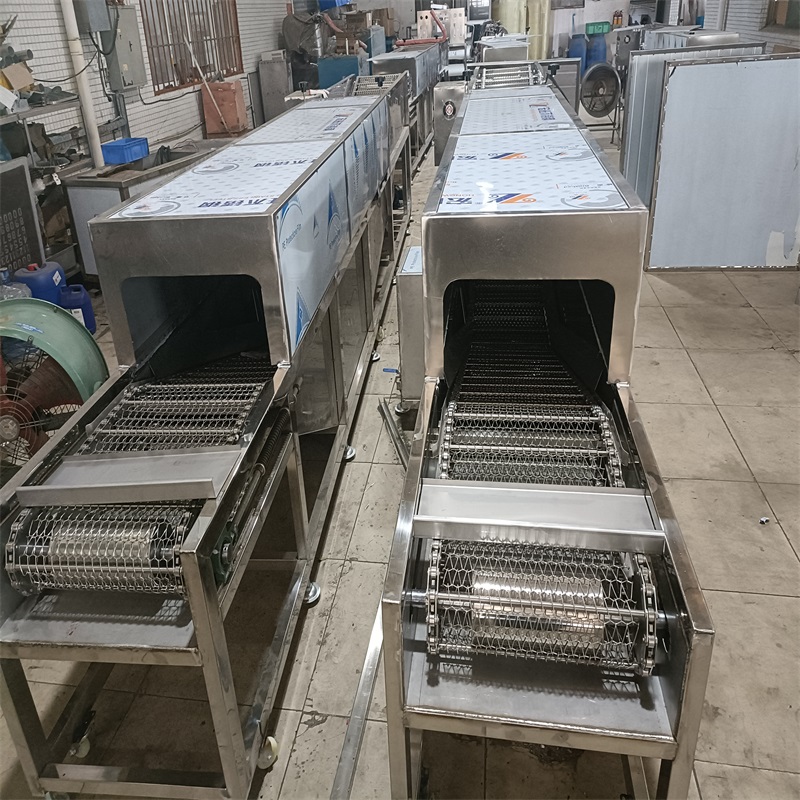
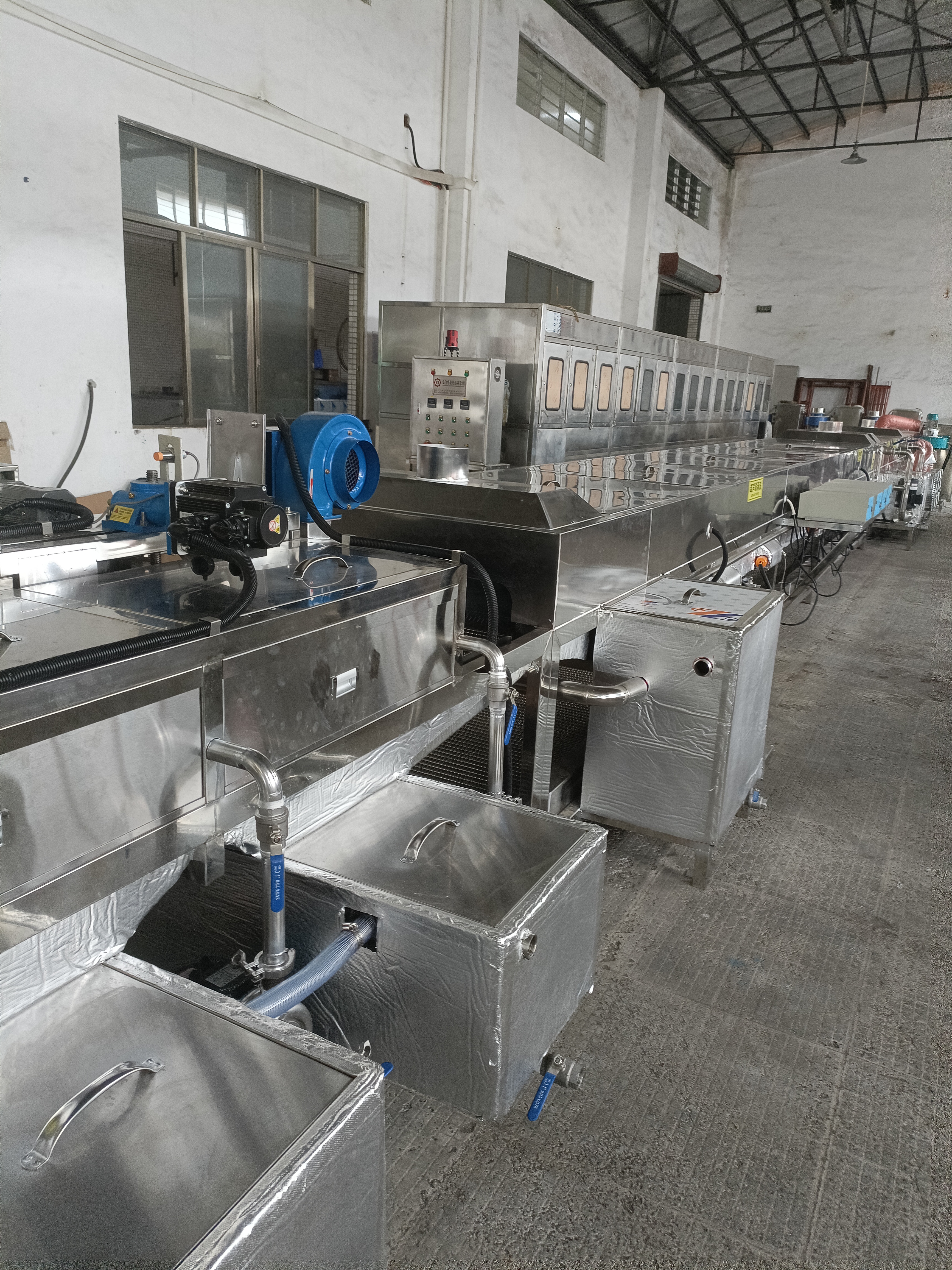
Reaching out to a manufacturer requires clear documentation of your production needs. Vague requests often result in mismatched equipment recommendations or prolonged email exchanges. Providing detailed specifications upfront accelerates the quoting and design process. With a 10,000 square meter modern facility, Hengtai relies on precise client data to custom-build the right machinery.
When you submit an automated request for ultrasonic cleaner, you must include the dimensions and weight of your largest components. Engineers also need to know the specific types of contaminants you need removed, such as cutting oils, polishing compounds, or rust. Clear communication regarding your daily production volume targets ensures the manufacturer quotes a machine with the appropriate tank size and generator power. You should also note any spatial constraints within your facility to ensure the final product fits perfectly into your existing assembly line.
Upgrading your industrial washing infrastructure represents a significant investment in your product's final quality. By carefully evaluating your throughput needs and understanding the available technology, you can select equipment that directly improves your bottom line and reduces waste. Gather your component dimensions, calculate your required daily volume, and contact a reputable equipment manufacturer to begin drafting your customized machinery specifications today.
Manufacturing timelines vary based on machine complexity. Standard semi-automatic machines typically take four to six weeks to build, while fully customized multi-stage automated systems can require eight to twelve weeks from design approval to final delivery.
With proper maintenance, a commercial-grade washing machine lasts between ten and fifteen years. Regular replacement of filters and routine inspection of the transducers will ensure the equipment maintains peak performance throughout its lifecycle.
Select 28 kHz frequencies for robust parts heavily soiled with grease or rust. Choose 40 kHz frequencies for precision components with blind holes or delicate surfaces that might be damaged by more aggressive cavitation.
Daily maintenance involves checking fluid levels and removing floating debris from the weir overflow. Weekly maintenance requires draining the tanks, wiping down the stainless steel interior, and inspecting the generator connections for any signs of wear.


