You can send an email: htkim@ultrasonic-washer.com


Ht Washer Equipment Focus on washing machine equipment solutions.


Views: 0 Author: Site Editor Publish Time: 2026-06-11 Origin: Site


Quick answer:
Industrial cleaning systems remove heavy contaminants from manufactured parts using pressurized fluid and specialized detergents. Implementing this equipment reduces manual labor, ensures consistent cleanliness standards across high-volume production lines, and properly prepares metal components for final assembly or protective treatments.
Maintaining spotless components is a basic requirement for modern manufacturing. Dirt, grease, and metal shavings left over from machining processes cause severe problems during assembly and final product usage. Factories rely on heavy-duty equipment to strip these contaminants away quickly and efficiently.
Manual scrubbing simply cannot keep pace with the demands of a bustling production line. Companies that attempt to clean parts by hand often face bottlenecks, inconsistent results, and high labor costs. Transitioning to automated solutions provides a necessary upgrade for facilities aiming to scale their output while maintaining strict quality control measures.
Investing in a high capacity spray wash system completely transforms how a facility handles its post-machining workflow. These setups utilize powerful jets to blast away stubborn residue, ensuring every single part meets exact engineering specifications before moving down the assembly line.

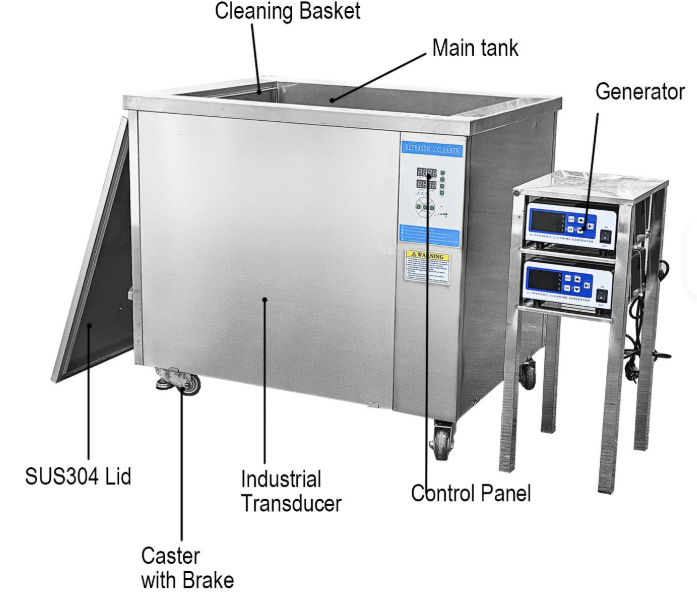
Automation drastically improves both the speed and reliability of industrial processes. When parts exit a CNC machine or a stamping press, they are usually covered in cutting fluids and metallic dust. If these parts move directly to welding or painting, the surface impurities will ruin the final finish or weaken the structural integrity of the weld.
Automated cleaning stations eliminate human error. They apply the exact same pressure, temperature, and chemical concentration to every batch of parts. Choose a continuous conveyor setup if your facility processes thousands of identical small parts daily. Conversely, choose a batch-processing setup if your factory handles large, complex engine blocks that require extended soaking times.
According to manufacturing efficiency studies, upgrading to a specialized spray cleaning machine reduces overall water consumption and chemical waste through advanced recycling filtration mechanisms. This makes the factory floor cleaner and significantly lowers environmental compliance costs.
Understanding the technical capabilities of different units helps plant managers allocate their budgets effectively. A standard 10,000-square-meter facility might deploy several different types of cleaning and finishing stations to handle various product lines.
Below is a breakdown of common industrial processing units and their core functions.
Equipment Category | Primary Function | Ideal Application |
Ultrasonic Bath | Uses high-frequency sound waves to remove microscopic particles. | Complex aerospace components and delicate circuit boards. |
Conveyor Washer | Pushes items through a continuous tunnel of pressurized water jets. | High-volume automotive parts and stamped metal sheets. |
Protective Coater | Applies a thin film of rust-preventative fluid to finished metals. | Carbon steel parts destined for long-term shipping or storage. |
Heated Dryer | Circulates hot air to rapidly evaporate residual moisture. | Any metal components prone to flash rusting when left damp. |
Once a metal part is completely free of oils and debris, it becomes highly vulnerable to environmental corrosion. Flash rusting can occur within hours if the factory environment is humid. To prevent this, manufacturers immediately route the freshly washed parts through a preservation stage.
This preservation stage involves applying a specialized anti-corrosive fluid. Partnering with reliable oil coating machine suppliers ensures that your facility integrates a coating unit that works seamlessly with your existing washing infrastructure. These units spray or dip the parts, leaving a uniform layer of protection that safeguards the metal during transit to the end consumer.
Choosing the right protective applicator depends heavily on the viscosity of the fluid used. Choose a heated dip tank if you use thick, wax-based rust inhibitors. Choose a fine-mist applicator if you require a microscopic, dry-to-the-touch protective layer.


A basic conveyor-style washer typically requires a footprint of at least 3 meters in length and 1.5 meters in width. Overhead clearance of roughly 2.5 meters is necessary for maintenance access and ventilation exhaust piping.
Most medium-sized manufacturing facilities recover their initial investment within 14 to 18 months. This rapid ROI stems from a drastic reduction in manual labor hours, fewer rejected parts due to poor finishing, and decreased chemical waste disposal fees.
The automotive, aerospace, and medical device manufacturing sectors see the highest benefit. These industries operate under strict regulatory standards that mandate absolute surface cleanliness prior to final product certification.
Upgrading your facility's finishing department requires careful planning and a thorough understanding of your daily throughput requirements. Start by auditing your current scrap rates and identifying exactly where surface contaminants are causing assembly failures.
Once you understand your specific bottlenecks, consult with an industrial equipment specialist to design a workflow that fits your floor plan. By integrating modern washing and coating technologies, your factory will achieve higher production volumes, better product quality, and a safer working environment for your staff.


