You can send an email: htkim@ultrasonic-washer.com


Ht Washer Equipment Focus on washing machine equipment solutions.


Views: 0 Author: Site Editor Publish Time: 2026-06-09 Origin: Site


Quick answer:
Vapor washing uses heated solvents to remove heavy greases and contaminants from complex parts. It works exceptionally well for bulk degreasing. When factories need microscopic precision, combining vapor methods with advanced ultrasonic systems ensures flawless results, helping facilities improve production efficiency and meet strict quality control standards.
Keeping production parts free of grease, oil, and debris is a constant challenge for modern factories. Tiny particles left on a circuit board or engine block can cause catastrophic failures down the line. To solve this, facilities rely on advanced washing technologies to guarantee perfect surface preparation before assembly or coating.
Finding the right system requires understanding your specific production needs. Some parts need a gentle rinse, while others require aggressive degreasing. Navigating the equipment options can feel overwhelming, but focusing on the core technologies makes the choice much easier.
One of the most effective methods available today is industrial vapor cleaning for manufacturing. This process boils a specialized solvent to create a dense vapor blanket. When cold parts enter this vapor, the solvent condenses on the surface, dissolving heavy oils and flushing away debris instantly. It leaves parts completely dry and ready for the next production step.
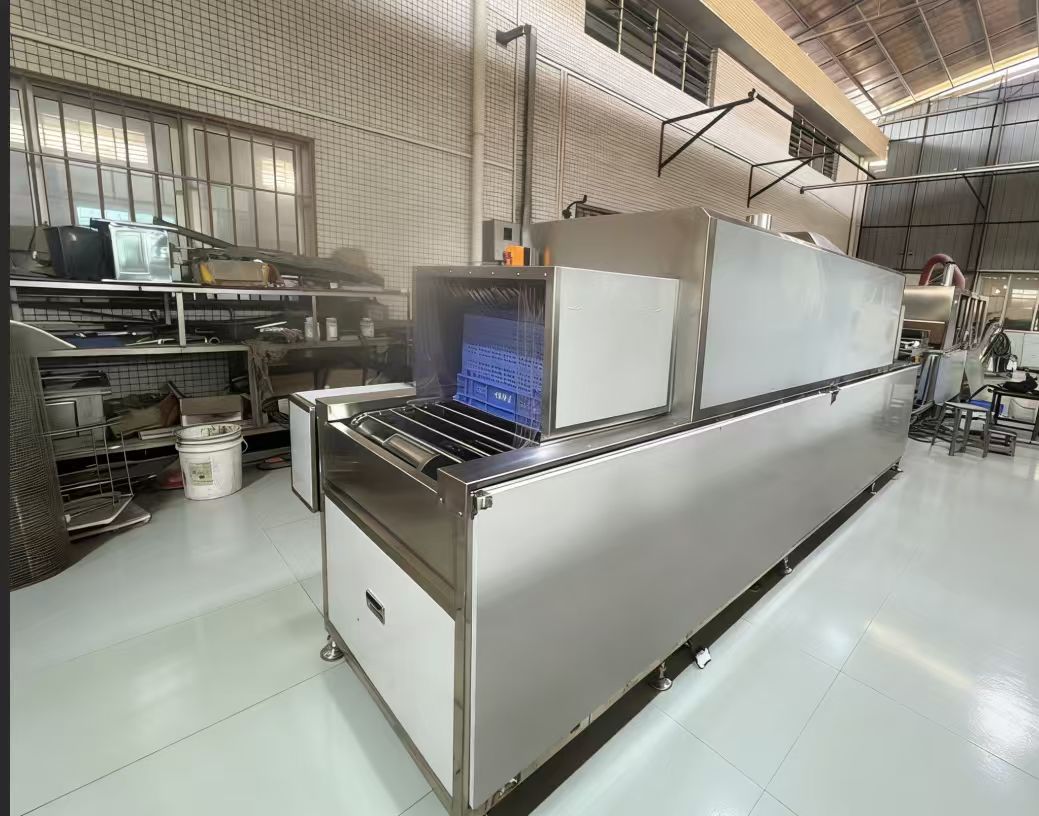
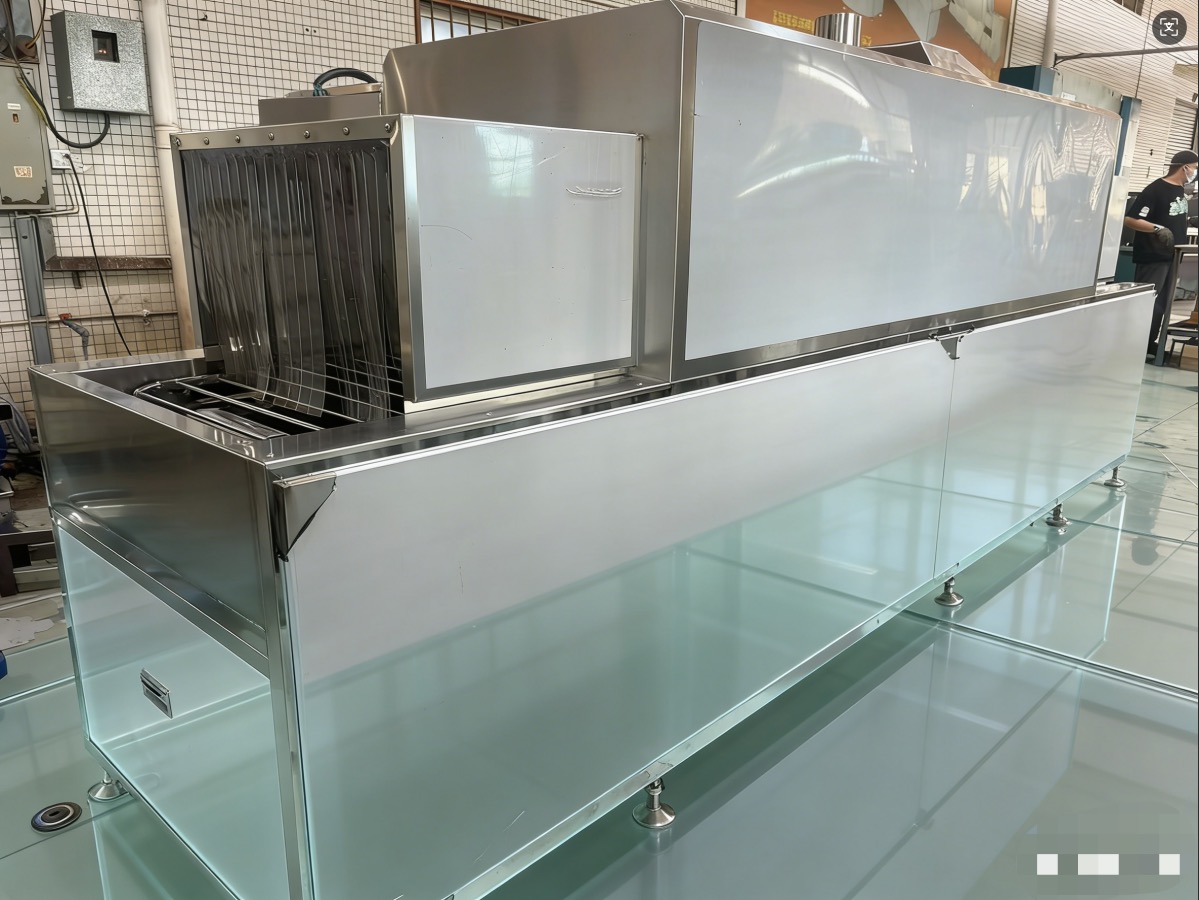
The vapor degreasing process relies on simple thermal dynamics. A machine heats a liquid solvent until it boils and forms a vapor zone. Operators lower room-temperature parts into this zone. Because the parts are cooler than the gas, the vapor condenses back into a liquid directly on the metal or plastic surfaces.
This pure liquid solvent aggressively breaks down oils, greases, and fluxes. Gravity pulls the dirty liquid off the part and back into the boiling sump below. The process continues until the part's temperature matches the vapor temperature. At that point, condensation stops, and the operator removes a clean, dry component.
Vapor systems offer high-speed results for busy production lines. The primary advantage is the lack of cross-contamination. Because the vapor is distilled continuously, only pure solvent touches the parts. According to industry standards, this provides a much higher baseline of cleanliness compared to traditional water-based scrubbing.
Additionally, these systems require very little floor space. They consolidate washing, rinsing, and drying into a single machine footprint, which helps maximize factory efficiency.
While vapor handles heavy oils perfectly, it sometimes struggles with microscopic particles lodged in blind holes or complex geometries. This is where high-frequency sound waves become necessary. By adding an ultrasonic agitation phase to the washing cycle, you can dislodge the tiniest contaminants.
Many facilities source a reliable ultrasonic cleaning machine china to integrate into their lines. These machines use transducers to create millions of microscopic bubbles in the liquid tank. When these bubbles collapse, they produce a scrubbing action called cavitation. This force reaches into crevices that sprays and vapors simply cannot touch.
Selecting the correct equipment depends on your soil types and part geometries. Use the following table to compare the core strengths of both technologies.
Feature | Vapor Degreasing | Ultrasonic Washing |
Best used for | Heavy oils, greases, and rapid drying | Blind holes, intricate parts, and fine particles |
Drying time | Instant (parts dry as they exit) | Requires a separate tunnel drying oven (up to 300°) |
Cross-contamination risk | Very low (uses pure distilled solvent) | Moderate (requires water treatment and filtration) |
Footprint | Compact (all-in-one process) | Larger (often requires multi-slot or conveyor setups) |
Choose vapor degreasing if rapid drying and heavy oil removal matter more than microscopic particulate extraction. Choose ultrasonic equipment if your parts have complex internal geometries, blind holes, or delicate surface features that require cavitation to achieve precision results.
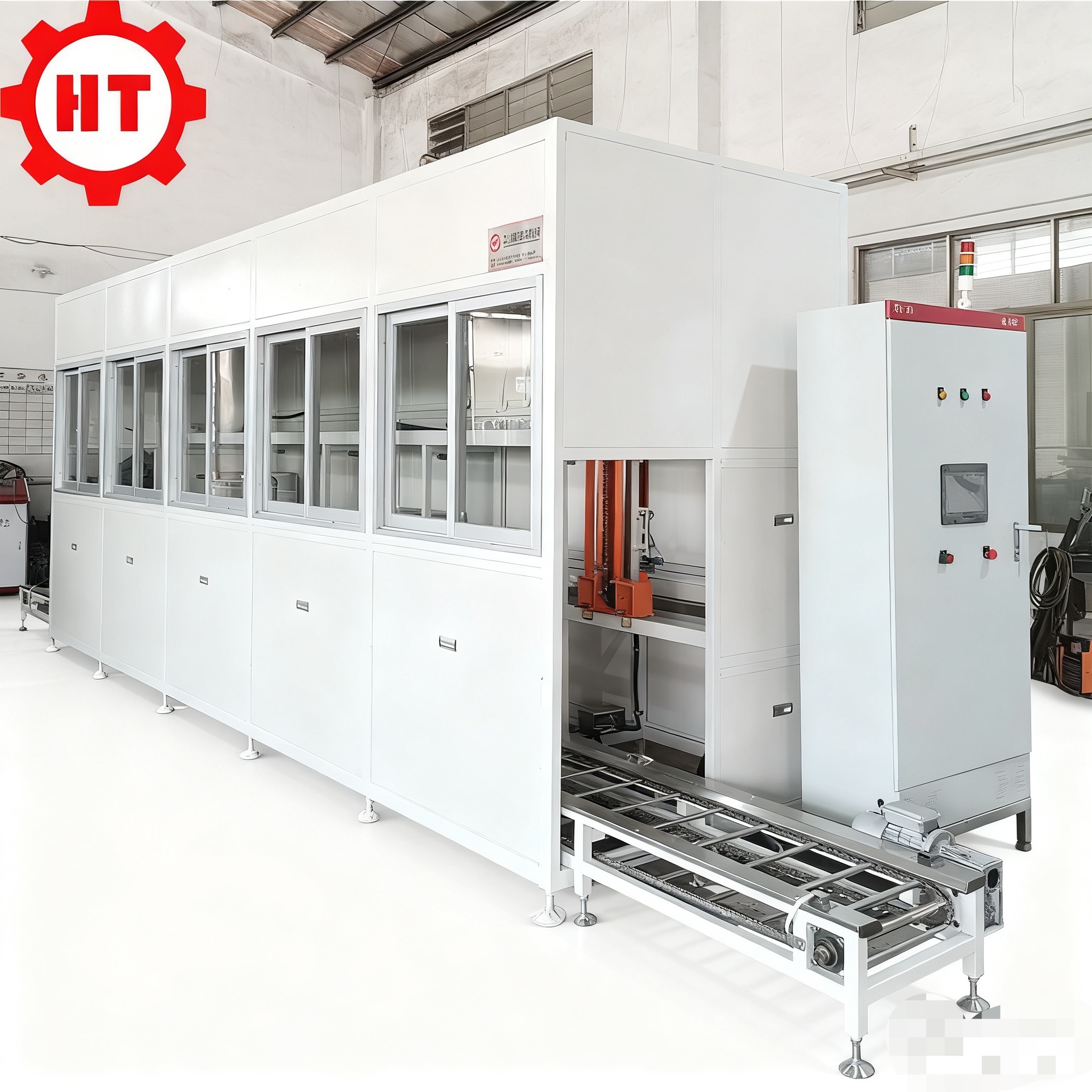
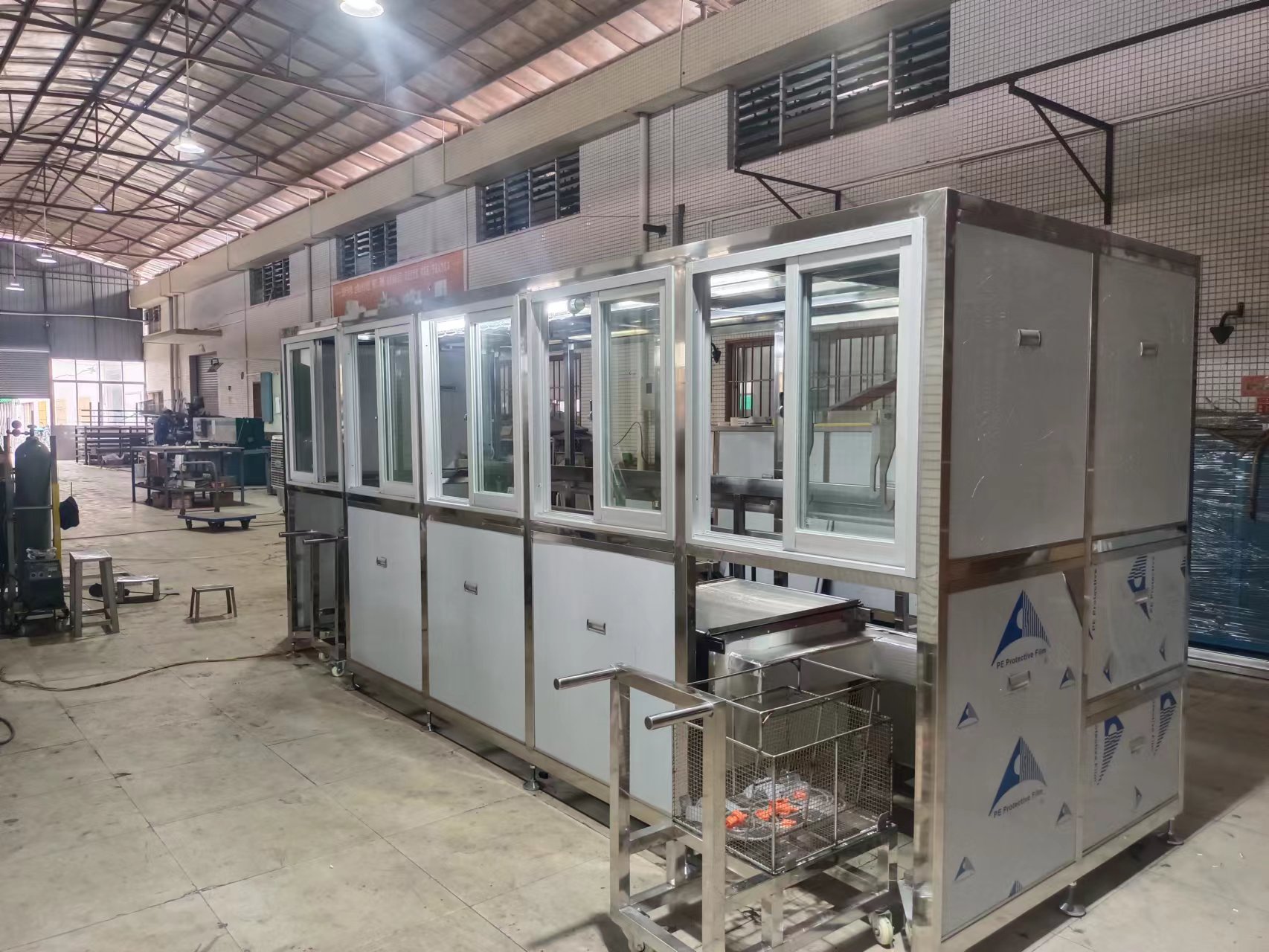
Modern industrial washers prioritize safety and environmental protection. Today's systems feature automated hoists, robotic arms, and enclosed chambers that prevent workers from breathing in fumes or handling harsh chemicals.
Companies like Hengtai Cleaning Equipment operate a 10,000㎡ modern facility dedicated to building these automated solutions. They design enclosed systems that capture and recycle solvents, which drastically reduces environmental impact.
If you want to upgrade your assembly line, investing in an ultrasonic cleaner professional machine with automated handling ensures your staff remains safe while product quality increases. Automated robotics remove the variable of human error, guaranteeing every batch receives the exact same exposure time and temperature.
Improving your factory's surface preparation starts with auditing your current failure rates and bottleneck areas. Identify which parts require the most manual rework and calculate the labor costs involved. Once you understand your pain points, consult with an equipment manufacturer to design a custom line.
Experts can help you select the right mix of high-pressure sprays, multi-layer belt dryers, and pure water treatment equipment. By transitioning to a fully automated washing and drying line, you will reduce your defect rate and speed up your overall production schedule.
The cost varies based on tank size, automation features, and load capacity. A basic single-slot tank may cost a few thousand dollars, while a fully robotic, multi-stage cleaning and drying line can exceed fifty thousand dollars.
Standard standalone machines can be installed and operational within a single day. Custom-built conveyor lines or robotic multi-slot systems usually require one to two weeks of installation, testing, and worker training.
If your facility wants to avoid chemical solvents, aqueous (water-based) washing is the best alternative. Aqueous systems use alkaline or acidic detergents combined with mechanical agitation and high-pressure sprays, followed by a dedicated tunnel drying oven to remove moisture.


