You can send an email: htkim@ultrasonic-washer.com


Ht Washer Equipment Focus on washing machine equipment solutions.


Views: 0 Author: Site Editor Publish Time: 2026-05-23 Origin: Site


TL;DR: Industrial cleaning systems use specific solvents to remove heavy oils, greases, and contaminants from precision components. By utilizing controlled solvent condensation, these machines offer a highly efficient, residue-free cleaning process that is ideal for complex manufacturing environments where absolute cleanliness is required before assembly or coating.
Finding the right industrial cleaning equipment is a critical step for modern manufacturing facilities. Removing stubborn contaminants like oil, wax, and machining fluids ensures that your final product functions flawlessly. When precision components are involved, standard washing methods often fall short, leaving microscopic residues that can compromise the integrity of the part.
Many facilities struggle to balance thorough cleaning with production speed. Aqueous cleaning systems work well for certain applications, but they often require extended drying times and multiple rinsing stages. This can slow down a high-volume production line significantly. Furthermore, complex parts with blind holes or intricate geometries trap water, leading to potential oxidation or corrosion if not dried perfectly.
This is where advanced solvent-based cleaning solutions become invaluable. A well-designed Vapor Degreaser uses the condensation of pure solvent vapors to dissolve and wash away contaminants instantly. Because the solvent evaporates quickly at room temperature, the parts emerge completely dry and ready for the next stage of production, streamlining the entire workflow and reducing bottleneck issues on the factory floor.


Solvent-based cleaning systems offer several distinct advantages over traditional water-based methods, particularly when dealing with intricate geometries and sensitive materials.
First, the process provides unmatched consistency. The cleaning fluid is continuously boiled and distilled, meaning the component is always washed with pure, uncontaminated solvent. This constant purification cycle prevents cross-contamination between batches.
Second, the operational footprint is often much smaller. Because the washing, rinsing, and drying phases occur within a single compact unit, manufacturers can save valuable floor space. For businesses that process a variety of medium-sized components, integrating a Cabinet Parts Washer alongside solvent systems can address different cleaning needs without requiring massive factory expansions.
Drying time directly impacts your overall throughput. If a component takes twenty minutes to dry in a conventional oven, it creates a massive delay in the assembly line. Solvent cleaning eliminates this delay entirely. The moment the part is raised above the vapor zone, the remaining fluid flashes off instantly.
Choose solvent-based systems if your production schedule demands rapid turnaround times and immediate downstream processing. According to industry production standards, eliminating a dedicated drying phase can increase overall throughput by up to 30% in high-volume environments.
Understanding the differences between various cleaning technologies helps facility managers make informed decisions. Below is a comparison of common industrial cleaning methodologies based on their typical use cases and operational characteristics.
Cleaning Method | Best Used For | Typical Drying Requirement | Operational Footprint |
Ultrasonic Immersion | Complex parts with blind holes and fine crevices | Requires separate heating or air-blow stage | Medium |
High-Pressure Spray | Removing heavy particulate and thick grease | Requires integrated hot air blower | Large |
Automated Conveyor | Continuous, high-volume flat component lines | Requires integrated heating tunnel | Very Large |
Solvent Condensation | Precision electronics, aerospace components, optics | None (flashes off instantly) | Small |

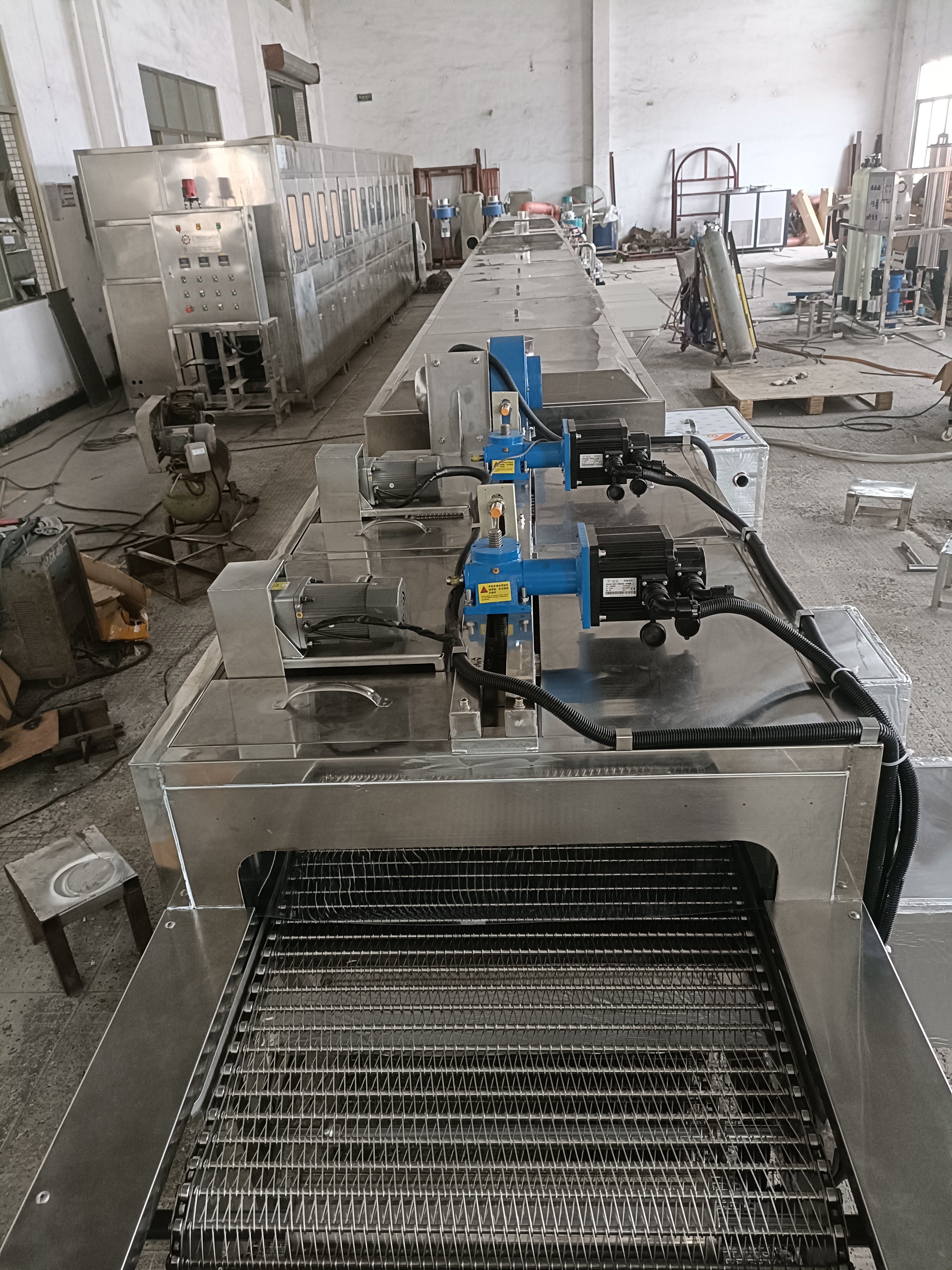
Selecting the right equipment requires a careful evaluation of your specific manufacturing needs. You must consider the types of materials you process, the nature of the contaminants, and your facility's environmental compliance requirements.
For large, flat panels or uniform exterior components, a dedicated Surface Cleaning Machine might be the most effective choice. However, for mixed batches of complex, precision-machined gears or medical devices, you need equipment capable of penetrating tiny crevices without damaging the substrate.
Modern manufacturing must adhere to strict environmental guidelines. Older solvent systems faced scrutiny due to emissions, but contemporary equipment features advanced sealing, refrigeration, and recovery technologies. These upgrades capture and recycle the fluid, minimizing environmental impact and reducing consumable costs.
Always verify that the equipment you choose complies with local and federal emissions standards. High-quality systems will feature secondary cooling coils and automated lid covers to ensure maximum fluid retention.
These systems excel at removing heavy organic contaminants, including machining oils, drawing compounds, waxes, greases, and certain fluxes used in electronics manufacturing.
Because the equipment continuously distills and purifies the fluid during operation, total replacement is rarely necessary. Operators typically only need to top off the fluid to compensate for minimal evaporative losses over time.
Yes. The process is highly compatible with delicate electronics, printed circuit boards, and optical lenses because it does not rely on aggressive mechanical agitation or high-pressure sprays that could damage fragile connections.
Most compact systems can be installed and operational within one to two days, provided the facility has the necessary electrical and ventilation infrastructure already in place.
Upgrading your facility's cleaning protocol is a highly effective way to improve product quality and accelerate production timelines. By carefully evaluating your contamination challenges and matching them with the appropriate technology, you can eliminate bottlenecks and reduce waste. Review your current cleaning cycle times today, and consider consulting with an industrial equipment specialist to identify the most impactful upgrades for your operation.


