You can send an email: htkim@ultrasonic-washer.com


Ht Washer Equipment Focus on washing machine equipment solutions.


Views: 0 Author: Site Editor Publish Time: 2026-05-26 Origin: Site


TL;DR:
A vapor degreaser removes grease, oil, and contaminants from industrial parts by boiling a solvent and allowing the resulting vapor to condense on the cooler parts. This process dissolves impurities, leaving the components perfectly clean and dry without requiring manual scrubbing or water-based rinsing.
Industrial manufacturing requires parts to be completely free of contaminants before assembly or coating. Removing cutting fluids, stamping oils, and general debris ensures that the final product functions exactly as intended. If manufacturers skip this crucial step, the entire production line can suffer from quality control failures.
Many facility managers struggle to choose the most effective cleaning method for their specific applications. The decision often comes down to balancing cleanliness standards, production speed, and environmental regulations. Some components require delicate handling, while others need high-pressure washing to remove stubborn grime.
To achieve pristine results, engineers rely on specialized cleaning equipment. The right machine will optimize throughput and reduce the risk of damaging expensive precision parts. For operations requiring the highest level of cleanliness with rapid drying times, investing in a Vapor Degreaser is often the most strategic choice a company can make.
Understanding the mechanics behind solvent-based cleaning helps facility managers make informed decisions. The process takes place inside a specialized steel tank with two distinct zones. The bottom chamber holds a liquid solvent, which a heating element brings to a boil.
As the solvent boils, it creates a dense cloud of vapor that fills the upper chamber. When operators lower room-temperature metal or plastic components into this vapor zone, the temperature difference causes the vapor to condense instantly on the parts. This pure liquid solvent dissolves oils and greases, which then drip back down into the boiling sump. The cleaning cycle continues until the part's temperature matches the vapor temperature, stopping the condensation process.
Because the vapor is inherently free of the contaminants trapped in the boiling liquid below, the parts are continually washed in pure solvent. This guarantees a spotless finish.
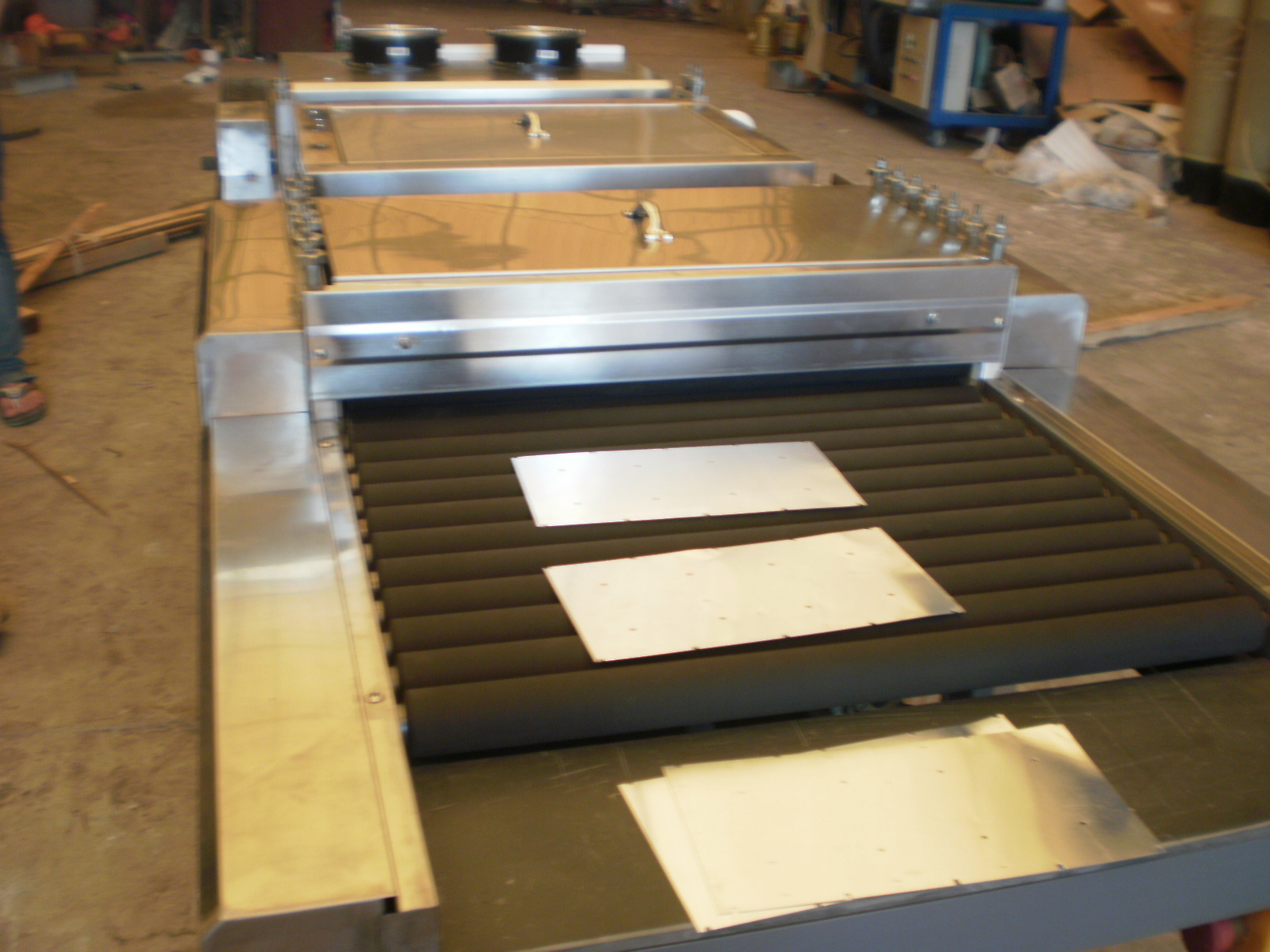
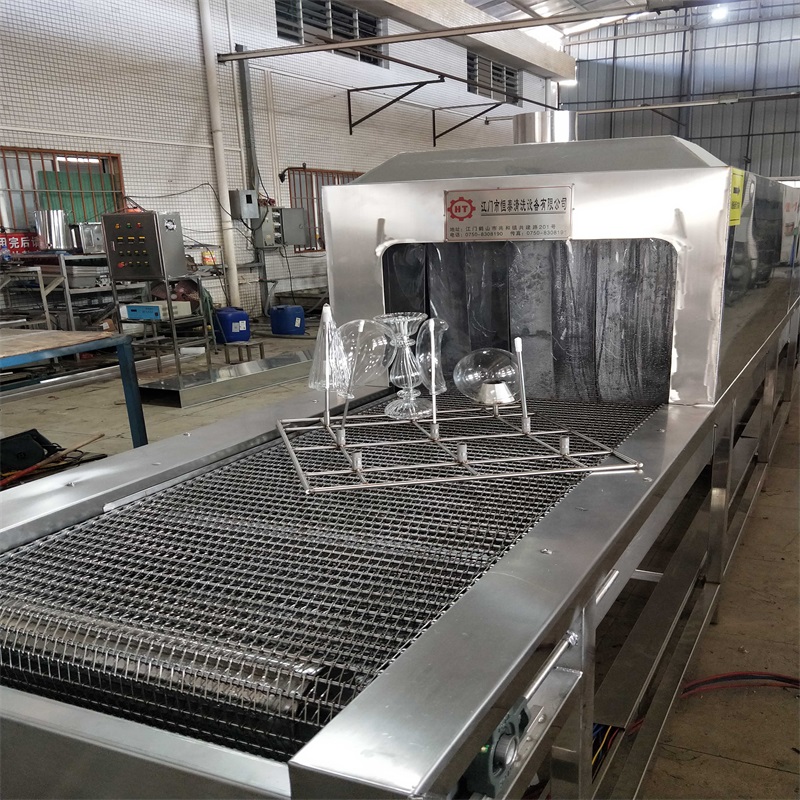
While vapor degreasing excels at precision cleaning, heavy-duty manufacturing often requires different approaches. Large engine blocks, thick metallic gears, and components heavily caked in carbon might need mechanical agitation or high-pressure water jets to break down solid debris.
For batch cleaning of heavy components, many facilities utilize a Cabinet Parts Washer to automate the process. These systems function similarly to a standard household dishwasher but on an industrial scale. Operators place the dirty parts inside a sealed enclosure, where specialized nozzles blast them with a heated mixture of water and alkaline detergent. This method works exceptionally well for removing thick, baked-on soils from robust metals.
Alternatively, some production lines require a continuous cleaning process rather than batch processing. When dealing with tall or unusually shaped parts that need a focused, multi-directional wash, a Spray Cabinet provides an excellent solution. These units spray pressurized cleaning solutions from multiple angles, ensuring that every crevice receives thorough attention before the parts move to the drying stage.
Select a vapor degreaser if your components have complex geometries, blind holes, or require immediate spot-free drying. Choose aqueous cabinet washers if you need to remove heavy particulate matter and are dealing with robust parts that can withstand high-pressure water jets.
The table below outlines the core differences between these common industrial cleaning systems.
Cleaning System | Primary Cleaning Agent | Best Used For | Drying Time |
Vapor Degreasing | Chemical Solvents | Precision parts, microelectronics, aerospace components | Instant |
Aqueous Cabinet Washer | Water and Alkaline Detergent | Heavy machinery, engine blocks, large casting molds | Moderate |
Automated Spray Washer | Pressurized Water and Soap | Unusually shaped parts, continuous conveyor systems | Moderate |
Ultrasonic Bath | Water and Cavitation Bubbles | Delicate jewelry, medical instruments, complex valves | Slow |
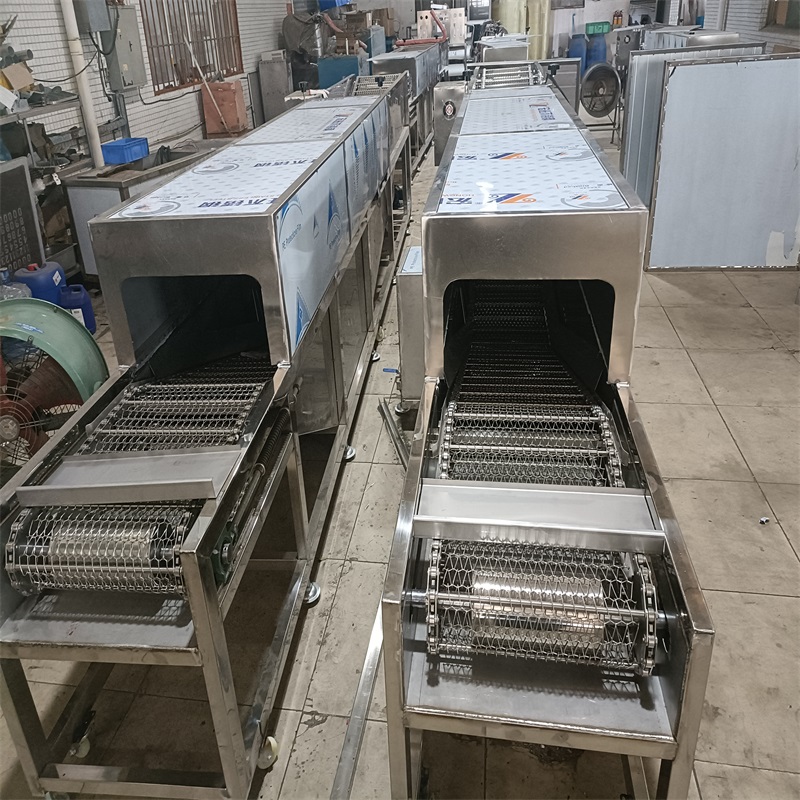
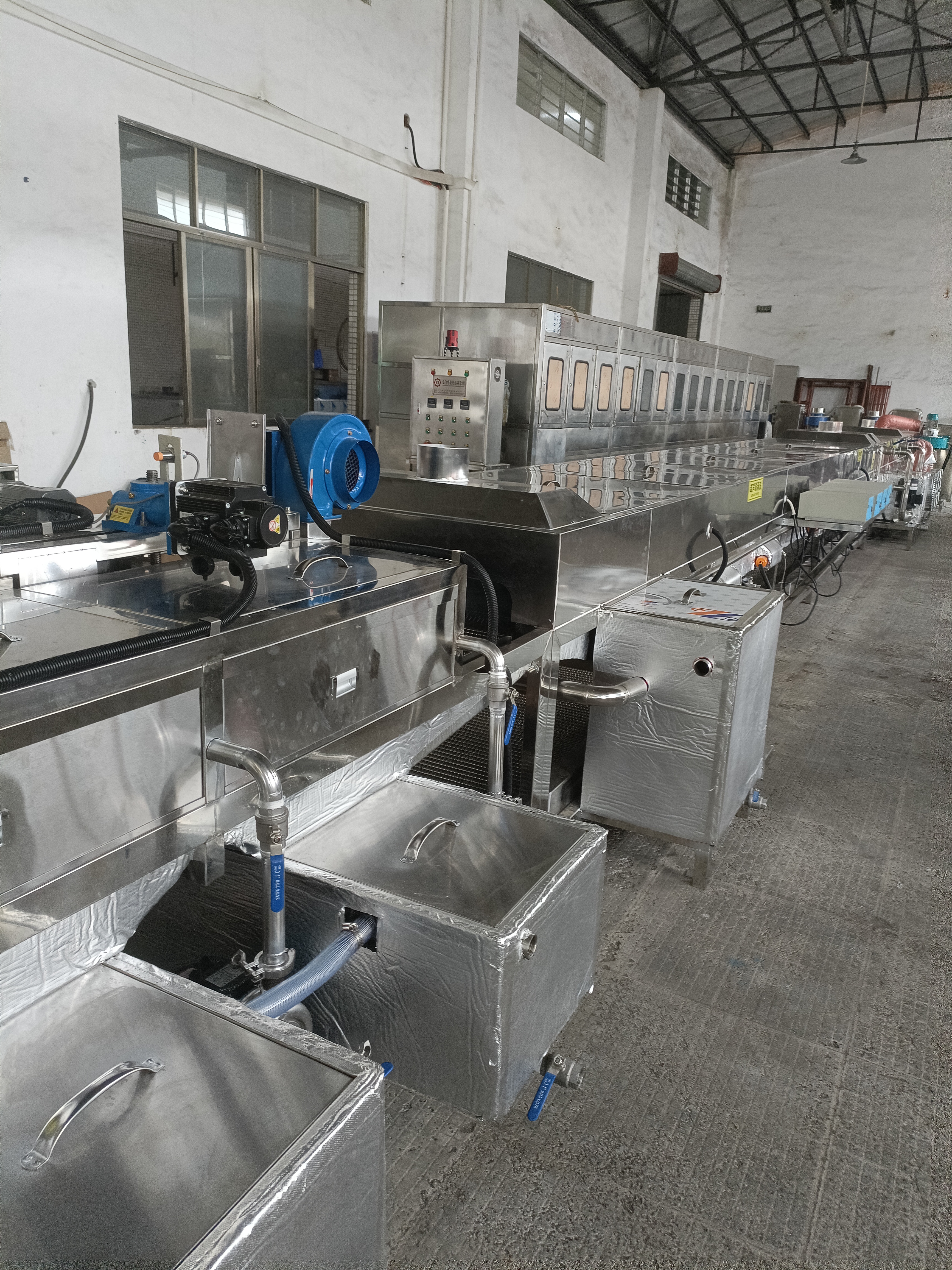
Upgrading your industrial cleaning process directly impacts your bottom line. By selecting the correct equipment, your facility will experience fewer rejected parts, faster production times, and lower labor costs. Evaluate your current cleanliness requirements, assess your daily production volume, and consult with an equipment specialist to find the exact machinery that fits your operational needs.
Solvent vapor cleaning provides completely spot-free results and instant drying. Because it relies on solvent condensation rather than high-pressure water, it safely cleans delicate microelectronics and intricate parts without causing mechanical damage or leaving behind water residue.
Modern industrial solvents are heavily regulated and formulated to have low global warming potential (GWP) and zero ozone depletion potential (ODP). When used in a closed-loop machine equipped with proper cooling coils, solvent emissions are practically eliminated, making the process highly sustainable.
The initial capital investment for an industrial cleaning system ranges from $5,000 for basic aqueous washers to over $50,000 for automated, closed-loop precision degreasers. The final cost depends on the machine's capacity, automation features, and specific industry compliance standards.


