You can send an email: htkim@ultrasonic-washer.com


Ht Washer Equipment Focus on washing machine equipment solutions.


Views: 0 Author: Site Editor Publish Time: 2026-05-27 Origin: Site


Quick answer:
A vapor degreaser is an industrial cleaning machine that uses boiling solvent vapors to remove oils, greases, and contaminants from precision parts. It is highly effective for complex geometries, offering a completely dry and residue-free finish compared to traditional water-based cleaning methods.
Manufacturing high-quality components requires absolute precision at every stage of the production line. Even microscopic layers of oil or dust can compromise the integrity of a final product, leading to costly rejections and equipment failures. As industries like aerospace, automotive, and electronics evolve, the demand for flawless surface preparation has never been higher.
Finding the right equipment to achieve this level of cleanliness can be challenging. Plant managers must balance cleaning efficiency with energy consumption, environmental regulations, and overall throughput. Selecting an inadequate system often results in bottlenecks, requiring manual rework that drains valuable labor resources.
Modern facilities rely on specialized solutions to tackle these challenges head-on. By integrating an advanced Vapor Degreaser into your workflow, you can rapidly process large batches of intricate parts. This guide will explore how different industrial cleaning mechanisms operate, helping you determine the most effective approach for your specific manufacturing requirements.
Solvent-based cleaning relies on the physical properties of specialized chemicals rather than mechanical scrubbing. The machine heats a liquid solvent until it boils, creating a dense cloud of vapor in a contained upper zone. When cold metal or plastic components are lowered into this vapor zone, the gas immediately condenses upon contact with the cooler surfaces.
This condensation process dissolves heavy oils, waxes, and machining fluids. The contaminated solvent then drips off the parts and falls back into the boiling sump below. Because the vapor is continually generated from the boiling liquid, only pure solvent ever touches the components. Once the parts reach the temperature of the vapor, condensation stops, and they can be removed completely clean and dry.
Different contaminants and component shapes require distinct cleaning approaches. While solvent methods excel at removing heavy greases from intricate geometries, other systems might be better suited for removing loose debris or processing robust mechanical parts. Choosing the right machinery depends heavily on your production volume and specific industry standards.
If your facility processes heavy engine blocks or large mechanical assemblies, a Cabinet Parts Washer offers excellent high-pressure mechanical action. These enclosed systems use hot water and alkaline detergents to blast away dirt and grime, making them ideal for heavy-duty applications where precision finishes are less critical.
Below is a breakdown of common cleaning technologies to help you evaluate your options:
Cleaning Technology | Primary Mechanism | Target Contaminants | Best Suited For |
Solvent Condensation | Chemical dissolution via pure vapor | Heavy oils, waxes, flux | Intricate geometries, electronics, aerospace |
Enclosed Spray | Mechanical force via high-pressure jets | Dirt, loose chips, light grease | Large, robust mechanical assemblies |
Acoustic Cavitation | Microscopic bubble implosion | Micro-particulates, hidden debris | Blind holes, medical devices, optical lenses |
Choose enclosed spray systems if mechanical force matters more than microscopic precision. These machines operate similarly to commercial dishwashers, utilizing a network of strategically placed nozzles to hit components from multiple angles. They are highly efficient for continuous production lines and are generally more environmentally friendly, as they rely on water-based detergents rather than volatile solvents. Hengtai provides custom conveyor-type lines that seamlessly integrate this spray technology into high-volume manufacturing environments.
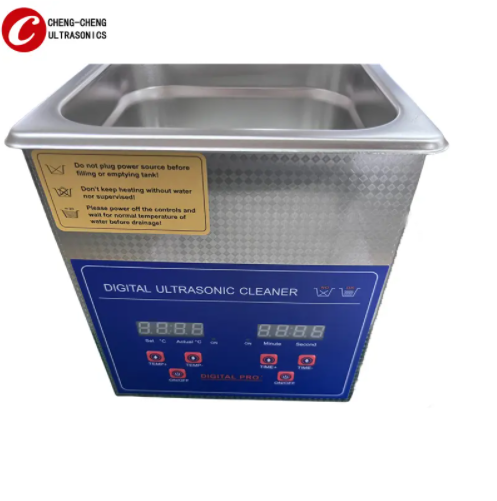
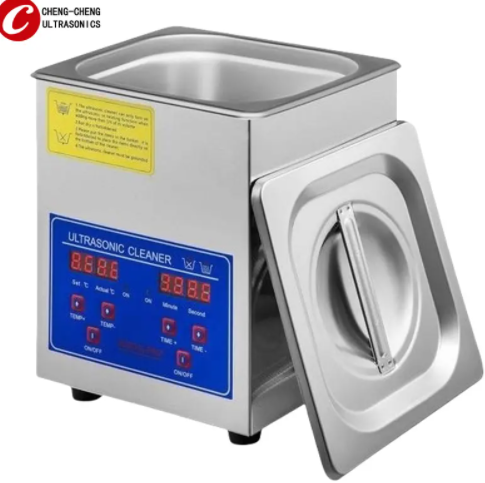
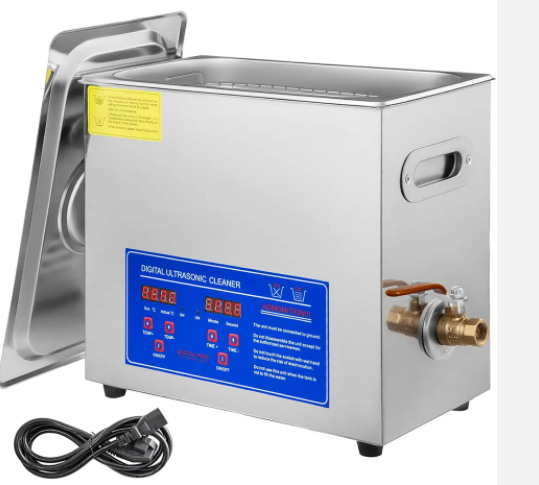
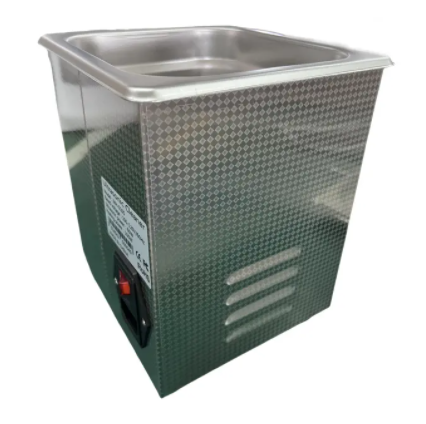
If your components feature deep blind holes, complex threads, or delicate internal structures, acoustic cavitation is the superior choice. This technology generates high-frequency sound waves in a liquid bath, creating millions of microscopic bubbles that violently implode against the surface of the submerged parts. This scrubbing action reaches areas that traditional sprays simply cannot penetrate. For smaller batch processing of highly sensitive items, utilizing a compact Ultrasonic cleaning box ensures that every hidden crevice is thoroughly cleared of microscopic particulates.
Industrial cleaning systems represent a significant capital investment, and routine maintenance is crucial for maximizing their lifespan and performance. According to industry equipment standards, daily maintenance should include checking fluid levels, inspecting seals for leaks, and ensuring that filters are clean.
For systems utilizing solvents, operators must regularly monitor the boiling sump to remove accumulated sludge and maintain optimal heating efficiency. Water-based systems require routine checks of detergent concentrations and skimming of floating oils from the wash tanks. Partnering with a reputable manufacturer like Hengtai ensures you have access to durable equipment designed with easy-access maintenance panels, reducing overall downtime and keeping your production line moving smoothly.
Aerospace, medical device manufacturing, and electronics rely heavily on solvent systems. These industries require parts to be completely free of residues and moisture prior to final assembly or coating, which pure vapor condensation achieves flawlessly.
Modern systems are designed with strict environmental controls. They feature advanced sealing technologies, refrigerated cooling coils, and automated lids to prevent vapor emissions. When operated according to guidelines, they minimize solvent loss and comply with current environmental regulations.
Choose a water-based system if your primary contaminants are dirt, salts, or loose chips, and you require a high-throughput, environmentally safe process. Choose a solvent system if you are dealing with heavy, stubborn greases on complex parts that must emerge completely dry and residue-free.
Optimizing your manufacturing process starts with selecting the right surface preparation equipment. Whether you need the precision of acoustic cavitation, the mechanical force of high-pressure sprays, or the residue-free finish of solvent vapor, understanding your specific requirements is the first step toward improving product quality.
Take the time to evaluate your current throughput, contaminant types, and environmental goals. By investing in tailored, high-performance cleaning technology, you can eliminate production bottlenecks, reduce labor costs, and consistently deliver flawless components to your customers. Reach out to an equipment specialist today to discuss custom solutions that align with your facility's unique operational needs.


