You can send an email: htkim@ultrasonic-washer.com


Ht Washer Equipment Focus on washing machine equipment solutions.


Views: 0 Author: Site Editor Publish Time: 2026-05-07 Origin: Site


Maintaining pristine components is a fundamental requirement for many modern manufacturing operations. Microscopic contaminants can easily compromise the performance of complex machinery, leading to costly failures or significant production delays. When precision is absolutely critical, companies must rely on highly specialized methods to remove grease, oils, and particulate matter without damaging sensitive parts.
Traditional washing techniques often fall short when dealing with intricate geometries or deeply embedded soils. Engineers and facility managers frequently seek out advanced solutions to guarantee that every manufactured piece meets strict quality standards. This pursuit of perfection has led to the widespread adoption of specialized cleaning technologies designed to tackle the most stubborn industrial residues.
One highly effective solution involves utilizing a Vapor Degreaser, a system that relies on boiling solvents to create a pure vapor blanket. This vapor condenses on cooler parts, dissolving contaminants and flushing them away. In this comprehensive guide, we will explore how this technology works, its benefits, and how it compares to other common industrial cleaning methods.

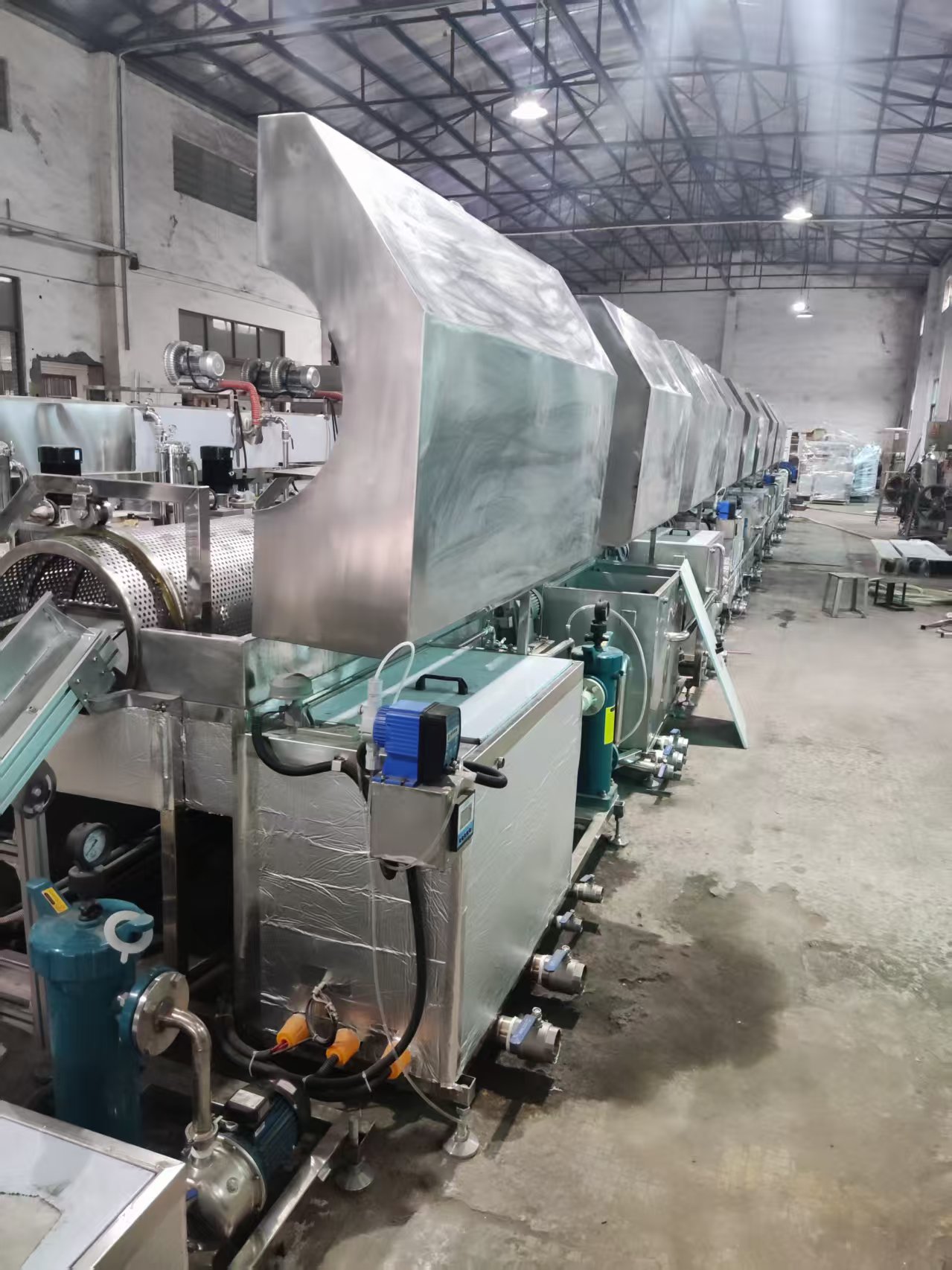
At its most basic level, the process relies on the physical properties of specific solvents. A bottom chamber heats the liquid solvent until it reaches its boiling point, creating a dense cloud of vapor that rises into the cleaning zone. When a room-temperature component is lowered into this zone, the warm vapor immediately condenses on its cooler surfaces.
This pure liquid solvent dissolves oils, greases, and fluxes, which then drip back down into the boiling sump. Because the vapor is continually generated from the boiling liquid, the condensing solvent is always completely pure, regardless of how contaminated the liquid in the sump becomes.
Once the component reaches the same temperature as the vapor, condensation stops. The part can then be slowly withdrawn through a cooling zone, emerging completely clean and instantly dry. This eliminates the need for secondary drying equipment and prevents water spots or rust from forming on vulnerable metals.
Many sectors rely on this technology to maintain the highest levels of quality control. Aerospace manufacturers use it to clean engine components and sensitive hydraulic systems. The medical device industry relies on these processes to ensure surgical implants and tools are completely free of biological or manufacturing residues.
Electronics manufacturing is another major sector that benefits from this approach. Printed circuit boards often require flux removal after soldering. A high-quality Surface Cleaning Machine is sometimes used for broader external washing, but for intricate electronics, solvent vapor provides the penetrating power needed to clean under closely mounted components without leaving behind any moisture.
Facility managers often must choose between water-based (aqueous) systems and solvent-based vapor systems. Each approach offers specific advantages depending on the manufacturing environment.
Aqueous systems typically require mechanical agitation, such as ultrasonic waves or high-pressure sprays, to remove contaminants. They also require a separate rinsing and drying stage. Vapor systems, on the other hand, accomplish cleaning, rinsing, and drying in a single continuous process. This drastically reduces the overall cycle time and the floor space required for the equipment.
While aqueous detergents might seem less expensive initially, the hidden costs of water treatment, heating large tanks, and running power-intensive air knives for drying add up quickly. Solvent systems recycle their chemistry continuously through distillation, which can make them highly cost-effective over a long production run.

Feature | Aqueous Systems | Solvent Vapor Systems |
Primary Agent | Water and detergents | Specially formulated solvents |
Drying Stage | Requires separate heated air blowers | Parts emerge completely dry |
Footprint | Usually requires a larger factory area | Very compact design |
Precision Level | Good for general purpose | Excellent for intricate geometries |
Cycle Time | Generally longer due to multiple stages | Very fast and efficient |
Modern systems rely on advanced, non-flammable fluids that have been engineered to balance cleaning power with safety. In the past, harsh chemicals like trichloroethylene (TCE) were standard, but strict environmental regulations have phased these out in many regions.
Today, facilities utilize fluorinated solvents, modified alcohols, or specialty engineered fluids. These modern alternatives offer zero ozone depletion potential (ODP) and very low global warming potential (GWP), making them far safer for the environment and the operators.
To keep these systems running at peak efficiency, operators must perform regular maintenance. The boiling sump will gradually accumulate heavy oils and greases. When the concentration of contaminants becomes too high, the boiling temperature of the liquid will change, and the efficiency will drop.
Operators must regularly drain the saturated solvent, clean out the sump, and replenish the system with fresh chemistry. Additionally, cooling coils must be inspected for proper flow to ensure the vapor blanket remains trapped inside the machine and does not escape into the workspace. Sometimes, for smaller operations or specific benchtop tasks, an Ultrasonic cleaning box can be used alongside the main system to handle highly specialized pre-washing routines before the final vapor rinse.
Worker safety is paramount when dealing with heated solvents. Modern equipment features primary and secondary cooling coils to create a strict boundary that traps vapors inside the tank. Automated hoists are also highly recommended. They ensure that parts are lowered and raised at the exact speed necessary to prevent dragging vapor out of the machine into the operator's breathing zone.
When used correctly with modern, low-emission fluids, these machines are exceptionally environmentally friendly. Because the solvent is continuously distilled and reused, waste is minimized.
Yes, provided you select the correct solvent. Certain aggressive fluids can melt or craze sensitive plastics. Always test a small sample or consult with your chemical supplier to match the fluid's strength to your substrate.
This depends entirely on your production volume and the amount of soil on your parts. Some high-volume facilities might perform a clean-out weekly, while others might go months before the concentration of oil in the boil sump necessitates a change.
While modern units are designed to retain their chemistry, most local regulations and safety guidelines require proper ambient ventilation in the immediate workspace to handle any trace emissions that might occur during the insertion and removal of parts.
Implementing the right industrial washing strategy can dramatically improve your product quality while reducing overall manufacturing costs. If your facility struggles with complex part geometries, long drying times, or stringent purity requirements, upgrading your current setup might be the most profitable decision you make this year.
Carefully evaluate your specific soils, substrates, and throughput requirements. Reach out to equipment manufacturers and chemical suppliers to request test cleanings of your actual components. By taking a data-driven approach to your facility's needs, you can easily select the perfect technology to keep your production line running smoothly.


