You can send an email: htkim@ultrasonic-washer.com


Ht Washer Equipment Focus on washing machine equipment solutions.


Views: 0 Author: Site Editor Publish Time: 2026-06-25 Origin: Site


Quick answer:
A vapor cleaning system for manufacturing uses heated solvent vapor to remove oils, greases, and fine particles from metal and precision parts. It cleans faster than many water-based methods, leaves no residue, and uses less labor. Hengtai (Jiangmen Hengtai Cleaning Equipment Co., Ltd.) builds custom cleaning and drying lines that help factories reach these results with lower energy use and tighter quality control.
Manufacturers face a constant problem: parts come off the line coated in oil, coolant, and metal chips. If those contaminants stay, downstream steps like coating, welding, or assembly fail. That's where a vapor cleaning system for manufacturing earns its place on the factory floor.
This blog breaks down how vapor-based degreasing works, where it fits in production, and how it compares to other cleaning methods. You'll also see how Jiangmen Hengtai Cleaning Equipment Co., Ltd.—a manufacturer with a 10,000㎡ facility and a strong R&D team—delivers one-stop solutions for cleaning, drying, and water treatment. By the end, you'll know whether this technology suits your line and what to look for in a supplier.
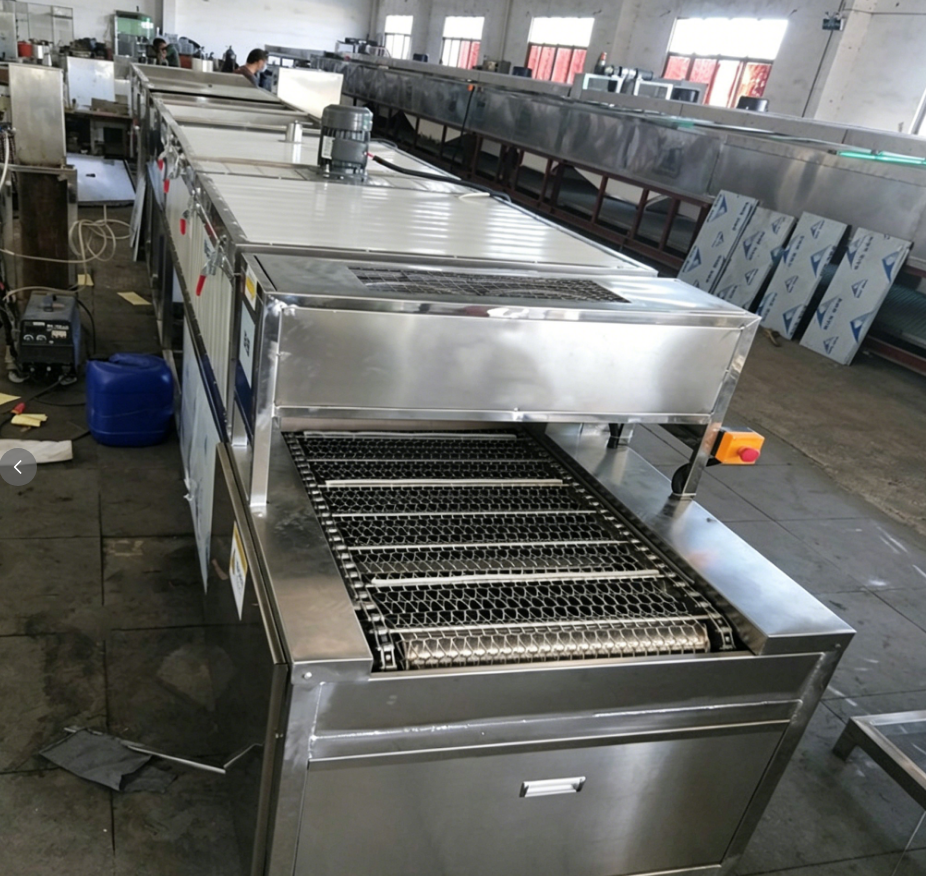
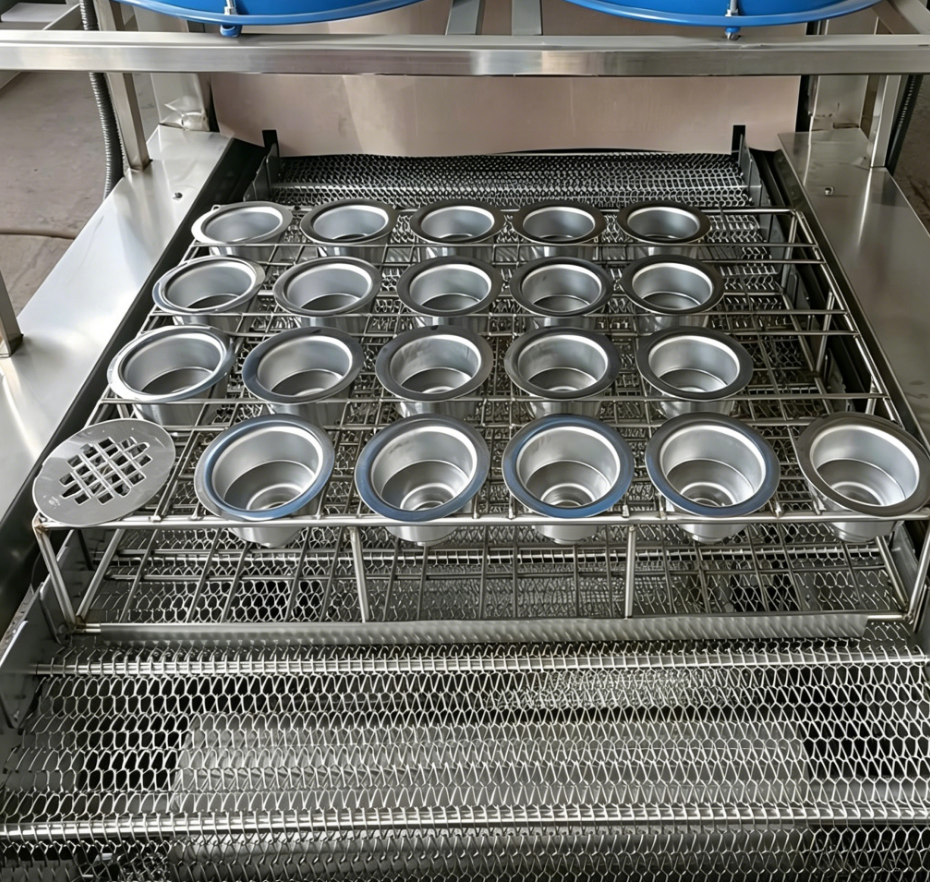
The process starts with a solvent heated until it turns to vapor. Cold parts enter the chamber, the vapor condenses on their surfaces, and the liquid runs off—carrying oils and grime with it. Because the solvent boils at a controlled temperature, parts come out clean and dry without spotting.
Vapor degreasing handles contaminants that water struggles with, especially heavy oils and waxes. It reaches tight blind holes, threads, and seams that brushing or spraying can miss. For shops cleaning precision components, this consistency matters more than almost anything else.
Hengtai designs cleaning lines around the part, not the other way around. The company focuses on solving real production problems—process selection, equipment, energy use, and cleaning agent choice—so customers get a setup matched to their throughput and budget.
Several sectors lean heavily on this technology because their parts demand spotless surfaces:
Automotive: Engine blocks, bearings, and fuel system parts need oil-free surfaces before coating or assembly.
Electronics: Circuit boards and connectors require residue-free cleaning to prevent failures.
Aerospace and precision machining: Tight tolerances leave no room for trapped contaminants.
Medical devices: Parts must meet strict cleanliness standards before sterilization.
A reliable commercial vapor degreasing machine supports all of these by delivering repeatable results across thousands of parts. That repeatability is what separates a hobby setup from a production-grade line.
Choosing a cleaning method comes down to your parts, your volume, and your tolerance for residue. The table below compares three common approaches.
Method | Best for | Drying needed | Residue risk | Throughput |
|---|---|---|---|---|
Solvent vapor cleaning | Heavy oils, precision parts | Minimal | Very low | High |
Aqueous (water-based) | General-purpose parts | Separate stage | Low to medium | Medium |
Ultrasonic cleaning | Complex shapes, fine debris | Separate stage | Low | Medium to high |
Choose solvent vapor cleaning if fast drying and zero residue matter more than anything else. Pick aqueous cleaning if your parts are simple and you want to avoid solvents. Go with ultrasonic cleaning when parts have complex geometry that traps fine particles. Many factories combine methods—and Hengtai builds integrated lines that pair multiple stages with drying and water treatment in one workflow.
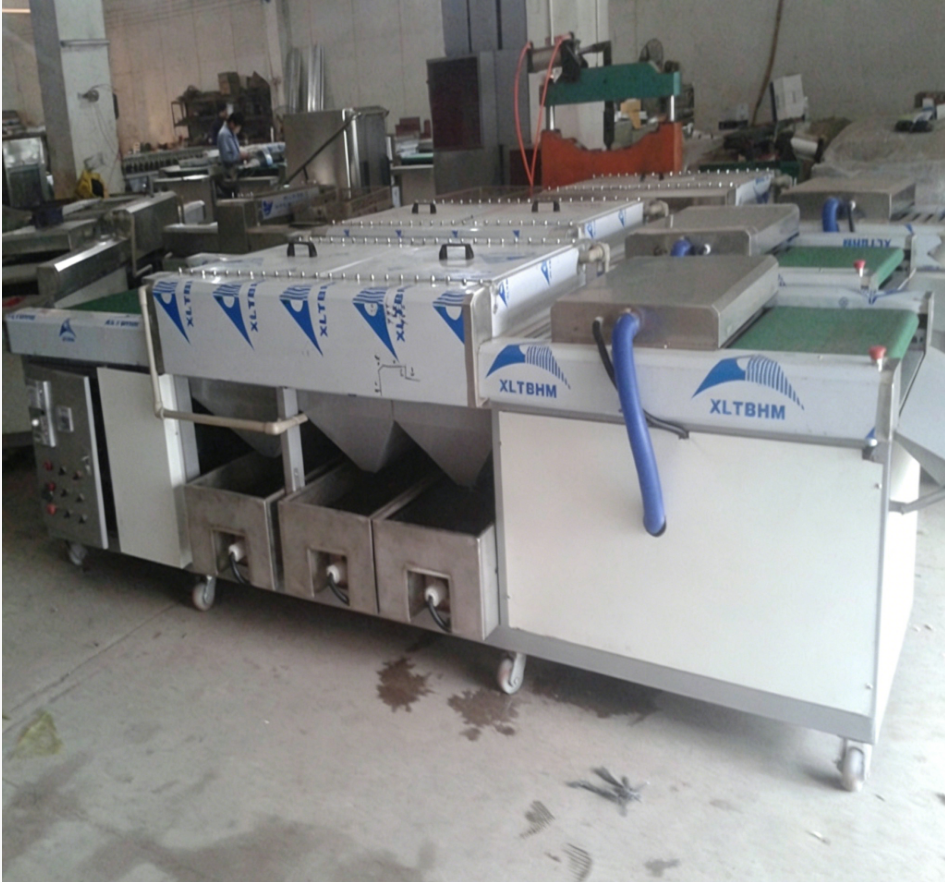

Not every machine is built the same. When you evaluate equipment, look for these elements:
Automation: Conveyor, overhead, and robotic-arm options reduce labor and keep cycle times steady.
Energy efficiency: Lower power draw cuts running costs over the machine's life.
Custom sizing: The chamber and conveyor should match your part dimensions and batch size.
Drying integration: A built-in drying stage removes a separate handling step.
Environmental controls: Solvent recovery and water treatment keep operations compliant and cleaner.
Hengtai covers each of these. The company offers conveyor-type, overhead-type, robotic-arm, and semi-automatic systems, plus drying equipment and water treatment machinery. That range lets a buyer source a full industrial vapor cleaning for manufacturing setup from one supplier instead of stitching together parts from several vendors.
A cleaning line is a long-term investment, so the partner behind it matters. Jiangmen Hengtai Cleaning Equipment Co., Ltd. has built its reputation on custom solutions rather than off-the-shelf boxes. The company's R&D team works directly on energy saving, automation, and environmental protection—three areas that decide whether a line pays for itself.
Hengtai's approach is one-stop: process design, equipment, energy planning, and cleaning agent selection all come from a single source. For manufacturers who want fewer headaches and tighter quality, that integrated model removes much of the guesswork from a major purchase.
A vapor cleaning system rewards factories that depend on spotless, dry parts coming off the line every shift. It cleans faster, reaches into tight spaces, and leaves surfaces ready for the next step. The key is matching the right method—vapor, aqueous, ultrasonic, or a blend—to your specific parts and volume.
If you're weighing an upgrade, the next move is simple: talk to a supplier who can design around your process. Reach out to Jiangmen Hengtai Cleaning Equipment Co., Ltd. for expert advice and a one-stop equipment plan built for your floor.
How much does a vapor cleaning system cost?
Cost depends on chamber size, automation level, and whether drying and water treatment are included. A custom line from a manufacturer like Hengtai is priced to match your throughput, so it's best to request a quote based on your part specs and volume.
Is vapor cleaning safe for the environment?
Modern systems include solvent recovery and water treatment to limit emissions and waste. Hengtai builds environmental protection into its lines, focusing on energy saving and lower resource use.
How long does it take to install a custom cleaning line?
Timelines vary with complexity and customization. Because Hengtai handles process design, equipment, and integration in-house, lead times are coordinated through one team rather than several vendors.
Can vapor cleaning replace ultrasonic cleaning?
Not always. Vapor cleaning excels at removing oils and drying fast, while ultrasonic cleaning is better for fine particles trapped in complex shapes. Many factories use both, and Hengtai can combine them in a single line.
Who is vapor cleaning best suited for?
It suits manufacturers of automotive, electronics, aerospace, and medical parts—any operation where residue-free, fast-drying surfaces are non-negotiable.


