You can send an email: htkim@ultrasonic-washer.com


Ht Washer Equipment Focus on washing machine equipment solutions.


Views: 0 Author: Site Editor Publish Time: 2026-07-21 Origin: Site


TL;DR:
A vapor cleaning system for manufacturing uses heated solvent vapor to dissolve oils, greases, and contaminants from precision parts without physical abrasion. It outperforms many traditional methods in speed, consistency, and surface cleanliness—making it a strong choice for automotive, aerospace, electronics, and metal fabrication industries.
Contamination is one of the most common—and costly—quality failures in manufacturing. A single layer of residual oil on a machined part can cause a coating to peel, a weld to fail, or a precision assembly to malfunction. Manufacturers dealing with tight tolerances and strict cleanliness standards can't afford those outcomes.
That's why more production facilities are turning to vapor-based cleaning technology. A well-engineered vapor cleaning system for manufacturing removes stubborn contaminants—cutting oils, greases, flux residues, and particulates—with a level of thoroughness that aqueous spray systems and manual wiping methods often fall short of delivering.
This guide covers how vapor cleaning works, where it performs best, how it compares to alternative methods, and what to look for when selecting industrial cleaning equipment for your production line.
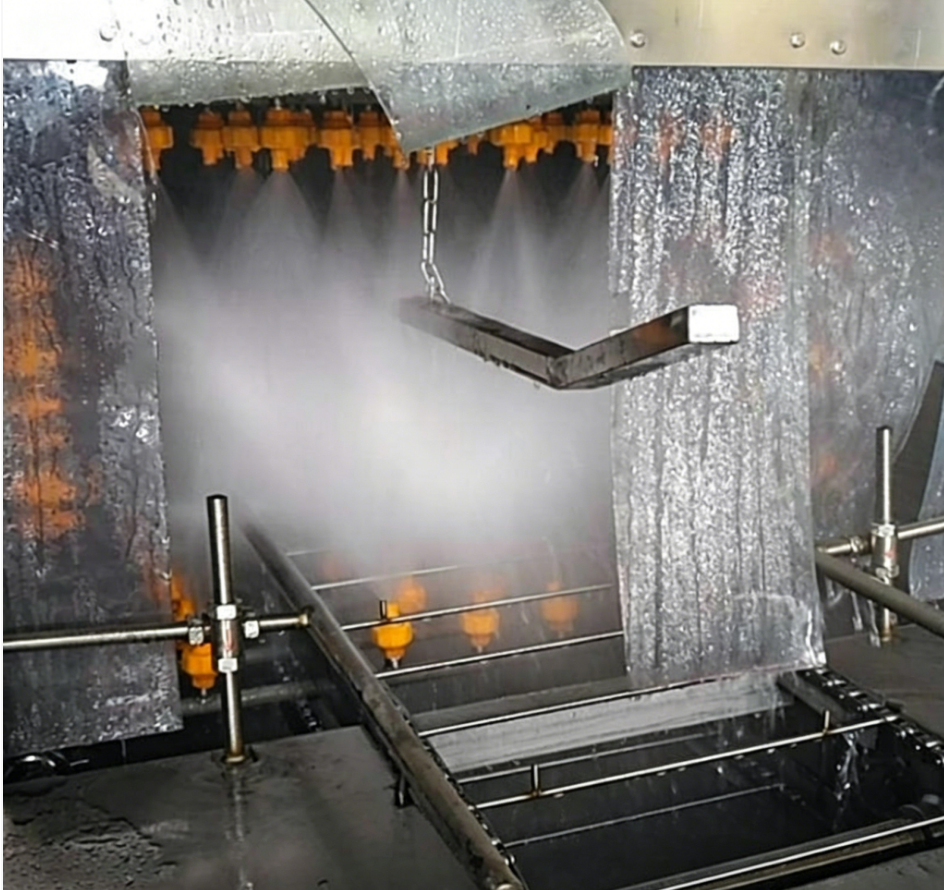
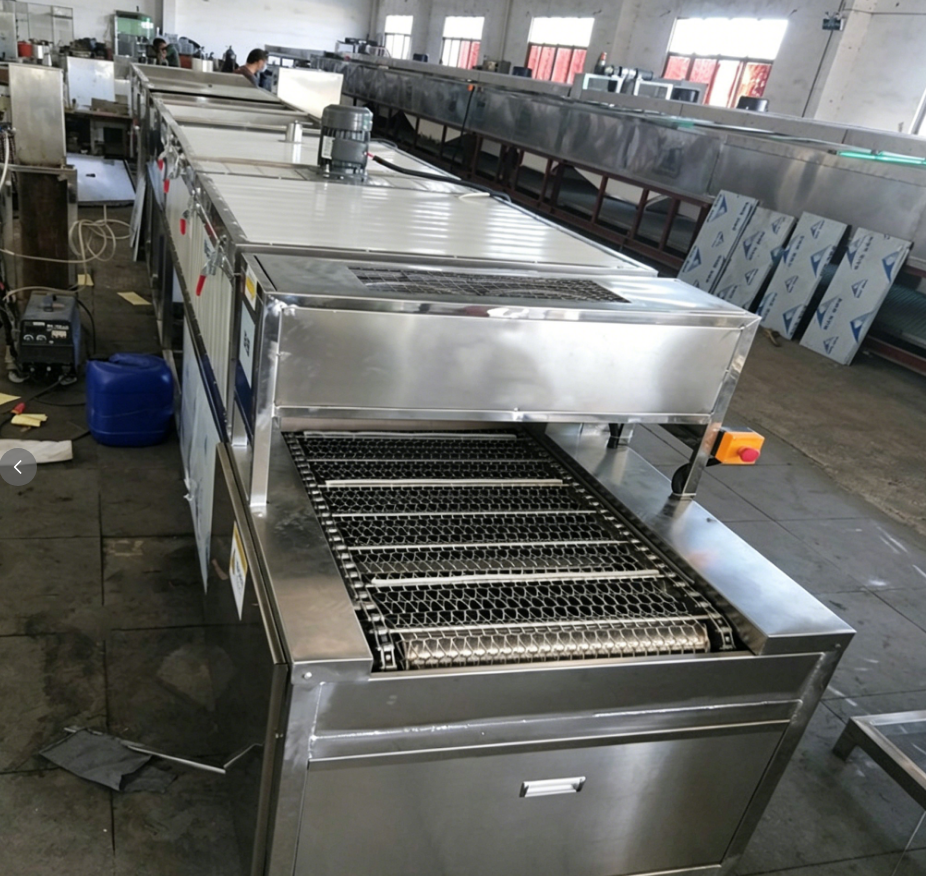
Vapor cleaning, also called vapor degreasing, works by heating a solvent to its boiling point inside a sealed chamber. The solvent vaporizes and condenses on the cooler surface of the part being cleaned. As it condenses, the liquid solvent dissolves and carries away surface contaminants. The clean solvent is then recycled within the closed-loop system, and the part emerges dry and residue-free.
The process is repeatable, chemical-efficient, and highly effective on complex geometries—blind holes, internal channels, and tight recesses that spray nozzles often miss entirely. Because the solvent is continuously distilled and recycled, there's minimal waste and consistent cleaning performance across every cycle.
Modern vapor cleaning systems operate as closed-loop units, which significantly reduces solvent emissions and environmental exposure compared to open-top degreasing tanks historically used in industrial settings.
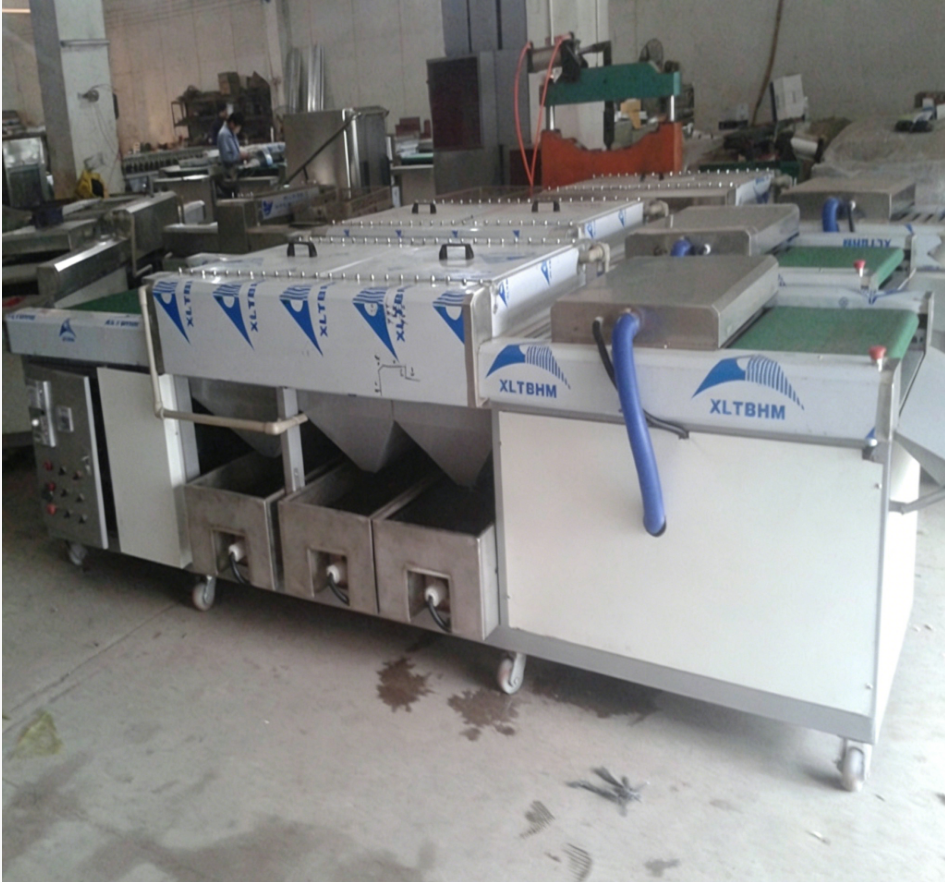
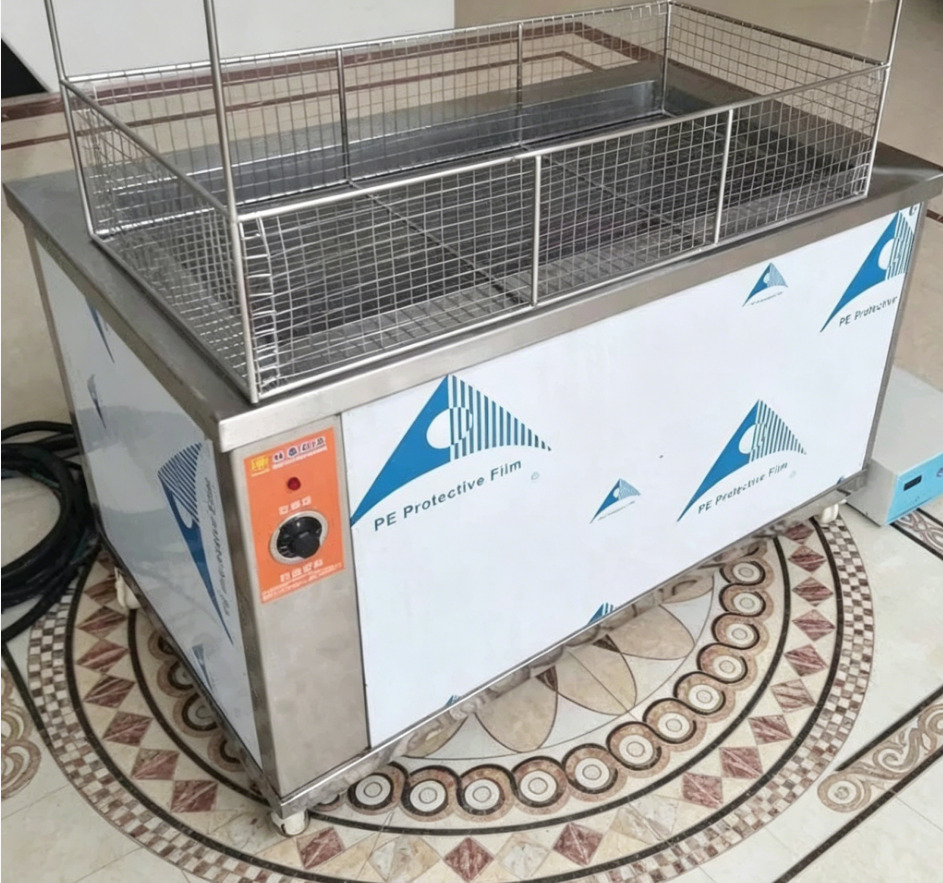
Choosing the right cleaning technology depends on your part geometry, contamination type, production volume, and regulatory requirements. The table below summarizes how vapor cleaning stacks up against common alternatives:
Cleaning Method | Best For | Contaminant Types | Part Geometry | Drying Required | Environmental Impact |
|---|---|---|---|---|---|
Vapor Degreasing | Precision metal parts | Oils, greases, flux | Complex, blind holes | No (self-drying) | Low (closed-loop) |
Aqueous Spray Cleaning | Bulk metal parts | Chips, light oils | Simple to moderate | Yes | Moderate (wastewater) |
Ultrasonic Cleaning | Small, delicate parts | Oxides, particles, oils | Intricate | Yes | Low to moderate |
Manual Wiping | Light spot cleaning | Surface dust, light oils | Simple, flat | No | Low |
High-Pressure Spray | Heavy deposits | Chips, heavy grease | Large, open surfaces | Yes | Moderate |
Vapor degreasing consistently performs well on precision components where surface cleanliness directly affects downstream processes—coating adhesion, bonding, welding, and final assembly. For manufacturers running high-mix, high-precision production, it's often the most reliable single-step solution.
Vapor degreasing is most valuable in applications where surface purity is non-negotiable. Industries that rely on it most heavily include:
Aerospace and defense – turbine blades, hydraulic components, and structural fasteners with complex internal geometries
Automotive – fuel injectors, transmission parts, brake components, and engine subassemblies
Electronics – PCBs, connectors, and precision sensors where flux residue causes conductivity issues
Medical devices – surgical instruments and implantable components subject to strict biocompatibility standards
Metal fabrication – stamped and machined parts that undergo coating, plating, or bonding after cleaning
A properly specified commercial vapor degreasing machine handles all of these applications by adapting solvent chemistry, temperature profiles, and cycle times to the specific requirements of each part type.
Not all vapor cleaning systems are built the same. Production managers evaluating equipment should assess several key factors:
Solvent compatibility – The system must be compatible with modern low-VOC solvents, including hydrofluoroether (HFE), n-propyl bromide (nPB) alternatives, and hydrocarbon-based options. Closed-loop designs minimize emissions and regulatory exposure.
Chamber size and throughput – Match the system's internal dimensions and cycle speed to your production volume. Undersized equipment creates bottlenecks; oversized equipment wastes energy and solvent.
Automation level – Manual basket-loading systems work for low-volume or job shop environments. Conveyor-integrated or robotic-load systems suit high-volume production lines where consistent throughput matters.
Control precision – Digital temperature controls, cycle timers, and solvent concentration monitoring improve repeatability and reduce rework rates.
Compliance and safety – Look for equipment with built-in vapor containment, freeboard chillers, and carbon adsorbers to meet environmental and workplace safety regulations.
Hengtai (HT Washer Equipment) is a China-based manufacturer specializing in one-stop industrial cleaning and drying solutions. Operating from a 10,000㎡ modern production facility in Jiangmen, Guangdong, Hengtai designs and builds equipment for manufacturers across automotive, electronics, aerospace, and precision machining sectors worldwide.
Their product range covers the full cleaning and drying workflow—from high-pressure spray systems and ultrasonic cleaning machines to conveyor-type dryers and water treatment equipment. For manufacturers evaluating industrial vapor cleaning for manufacturing, Hengtai provides custom-engineered solutions sized and configured to match specific production requirements, part types, and throughput targets.
Hengtai's engineering team takes a consultative approach: analyzing the cleaning challenge first, then specifying the process, equipment, chemistry, and energy parameters. The result is a system optimized for cleaning quality, running cost, and long-term reliability—not just initial price.
To discuss your production requirements directly, contact Hengtai at htkim@ultrasonic-washer.com.
Surface cleanliness is a manufacturing outcome, not just a maintenance task. Parts that move through the line with residual contamination create defects downstream—and defects are expensive to catch late. Vapor cleaning eliminates that risk at the source.
For manufacturers ready to upgrade their parts cleaning process, the next step is straightforward: define your part types, contamination profile, and throughput requirements, then consult with an equipment specialist who can match the right system to your line. Hengtai's team is equipped to do exactly that.
Modern closed-loop vapor cleaning systems are designed with built-in safety features including vapor containment walls, freeboard chillers, and automated shutdown protocols. When operated according to manufacturer guidelines and maintained regularly, they present minimal risk to operators and meet current workplace safety regulations in most jurisdictions.
Vapor degreasing is a non-abrasive, non-contact process. The solvent condenses on and flows off the part surface without applying mechanical force. This means part dimensions, surface finish, and material integrity are preserved—making it suitable for tight-tolerance components.
Common solvents include hydrofluoroether (HFE), hydrofluorocarbon (HFC), trans-1,2-dichloroethylene blends, and certain hydrocarbon solvents. The right choice depends on the contaminant being removed, material compatibility, and local environmental regulations. Equipment manufacturers like Hengtai can advise on solvent selection as part of the system specification process.
Routine maintenance includes monitoring solvent levels and purity, cleaning the sump, inspecting seals and cooling coils, and verifying temperature calibration. Most closed-loop systems are designed for minimal downtime, with scheduled maintenance intervals measured in months rather than weeks.
Yes. Conveyor-fed and robotic-load vapor cleaning systems are available for high-volume production environments. These configurations allow seamless integration between machining, cleaning, and downstream assembly or coating operations.


