You can send an email: htkim@ultrasonic-washer.com


Ht Washer Equipment Focus on washing machine equipment solutions.


Views: 0 Author: Site Editor Publish Time: 2026-06-04 Origin: Site


Quick answer:
A spray tunnel washer is a continuous, automated industrial cleaning system designed for high-volume manufacturing. It uses a conveyor belt to move parts through various zones—such as washing, rinsing, and drying—while applying high-pressure fluid to remove oil, grease, and metal chips quickly and consistently.
Maintaining efficiency in a high-volume manufacturing facility requires reliable equipment at every stage of production. When metal components, automotive parts, or electronic housings come off the machining line, they are typically coated in cutting fluids, oils, or metal shavings. Cleaning these parts manually is slow, inconsistent, and highly labor-intensive, creating a severe bottleneck that slows down your entire operation.
To solve this problem, facility managers frequently upgrade to automated continuous washing systems. These heavy-duty installations allow parts to flow continuously from the production line straight into the cleaning phase without stopping. By utilizing a continuous Spray Tunnel Washer, plants can achieve incredibly high throughput while maintaining strict cleanliness standards across every single component.
Investing in automated industrial cleaning systems does more than just remove dirt. It directly impacts your bottom line by reducing water consumption, lowering chemical usage, and freeing up human workers for more valuable tasks. Understanding how these systems function and where they fit into your facility is the first step toward building a smarter, cleaner production environment.
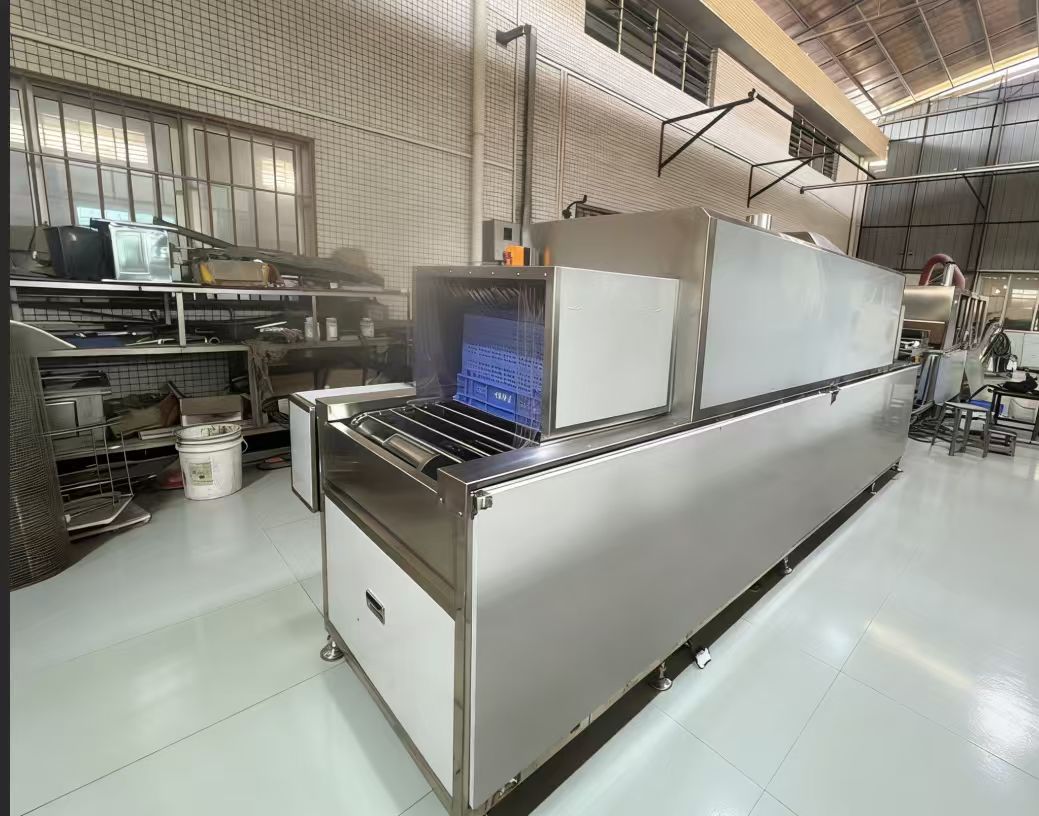

Continuous washing systems operate by transporting components through a series of enclosed chambers on a continuous conveyor belt. As the parts travel through the system, strategically placed nozzles blast them with heated water and alkaline detergents at high pressure. This mechanical action strips away heavy contaminants from the exterior surfaces of the parts.
Many facilities choose a versatile Spray Cleaning Machine when they need to process thousands of identical parts per shift. After the initial wash cycle, the conveyor moves the parts into a rinsing zone to remove any residual detergent. Finally, a high-velocity air blower or thermal drying chamber evaporates the remaining moisture, ensuring the components are completely dry and ready for immediate assembly or packaging.
Switching from manual washing or batch processing to a continuous system offers several distinct advantages for large-scale manufacturers.
Massive throughput: Continuous systems never stop to load or unload batches. Parts feed in one end and exit the other, allowing you to clean thousands of units per hour.
Consistent results: Automated nozzles and precisely controlled temperatures guarantee that every single part receives the exact same level of cleaning.
Lower operating costs: Advanced filtration systems recycle the wash water and detergents, drastically reducing chemical waste and water consumption.
Choosing the right equipment depends entirely on your production volume and the complexity of the parts you manufacture. To help you evaluate your options, review the following comparison of common industrial washing methods.
Cleaning Method | Best For | Throughput Speed | Typical Contaminants Removed |
Manual Washing | Low volume, custom parts | Very Slow | Light oils, loose debris |
Ultrasonic Immersion | Complex geometries, blind holes | Medium | Micron-level dust, baked-on grease |
Conveyorized Washing | High volume, simple geometries | Very Fast | Heavy cutting fluids, metal chips |
Batch Washing | Medium volume, mixed parts | Medium | General machining oils, dirt |
Choose a continuous conveyorized system if maximizing throughput matters more than cleaning microscopic blind holes. Choose ultrasonic immersion if you manufacture highly intricate parts with internal channels that high-pressure fluid cannot easily reach.


A reliable industrial washing line is built from high-grade stainless steel to resist corrosion from harsh chemicals and heated water. The conveyor belt itself is usually constructed from stainless steel mesh or specialized composite plastics that allow fluid to drain rapidly while supporting heavy metal parts.
For facilities that process smaller batches of diverse parts, a compact Spray Cabinet is often used alongside continuous systems. However, for true continuous production, the tunnel design remains the industry standard. High-capacity pumps drive the fluid through the nozzles, while oil skimmers and bag filters continuously remove debris from the fluid reservoir, extending the lifespan of the cleaning chemicals.
Upgrading your manufacturing line with automated cleaning technology is a proven way to eliminate bottlenecks and reduce operational costs. By selecting equipment tailored to your specific throughput and contamination challenges, you can ensure your components always meet strict quality control standards.
If you are ready to modernize your production facility, start by evaluating your current daily volume and identifying the specific contaminants you need to remove. Consulting with an experienced industrial equipment manufacturer can help you design a customized layout that integrates seamlessly into your existing floor plan.
Automotive manufacturing, aerospace component production, and heavy machinery manufacturing rely heavily on automated conveyor washers. These industries produce large volumes of metal parts that must be completely free of cutting oils and metal chips prior to welding, painting, or final assembly.
Daily maintenance typically involves checking filter baskets and verifying chemical concentration levels. A comprehensive preventative maintenance check—including inspecting pump seals, cleaning spray nozzles, and draining the main fluid tanks—should be performed every three to four weeks, depending on the severity of the contaminants being removed.
High-pressure fluid systems are generally too aggressive for delicate bare circuit boards. However, the water pressure and temperature can be adjusted to clean robust electronic housings or sealed motor casings. For delicate microelectronics, ultrasonic immersion or specialized vapor degreasing is usually recommended instead.
Because these systems include loading zones, wash chambers, rinse chambers, drying ovens, and unloading zones, they require a significant amount of floor space. A standard system can range from 15 to 40 feet in length. Manufacturers can often configure the conveyor in a U-shape or L-shape to accommodate facilities with limited straight-line space.


