You can send an email: htkim@ultrasonic-washer.com


Ht Washer Equipment Focus on washing machine equipment solutions.


Views: 0 Author: Site Editor Publish Time: 2026-06-22 Origin: Site


Quick answer:
A china ultrasonic cleaning system uses high-frequency sound waves to remove oil, dust, and residue from parts that are hard to clean by hand. Chinese manufacturers like Jiangmen Hengtai offer these systems at competitive prices, with frequencies of 28kHz or 40kHz, stainless steel tanks, and custom sizing for everything from tiny components to large engine blocks.
Cleaning precision parts by hand wastes time and rarely reaches every crevice. That's why factories across the globe now rely on ultrasonic technology. Sound waves create tiny bubbles in a cleaning fluid, and when those bubbles collapse, they scrub surfaces down to the micron level.
If you're sourcing equipment, this guide walks you through how these systems work, what to look for, and how to match a machine to your production needs. You'll also find a comparison table to help you decide which setup fits your workshop or factory floor.

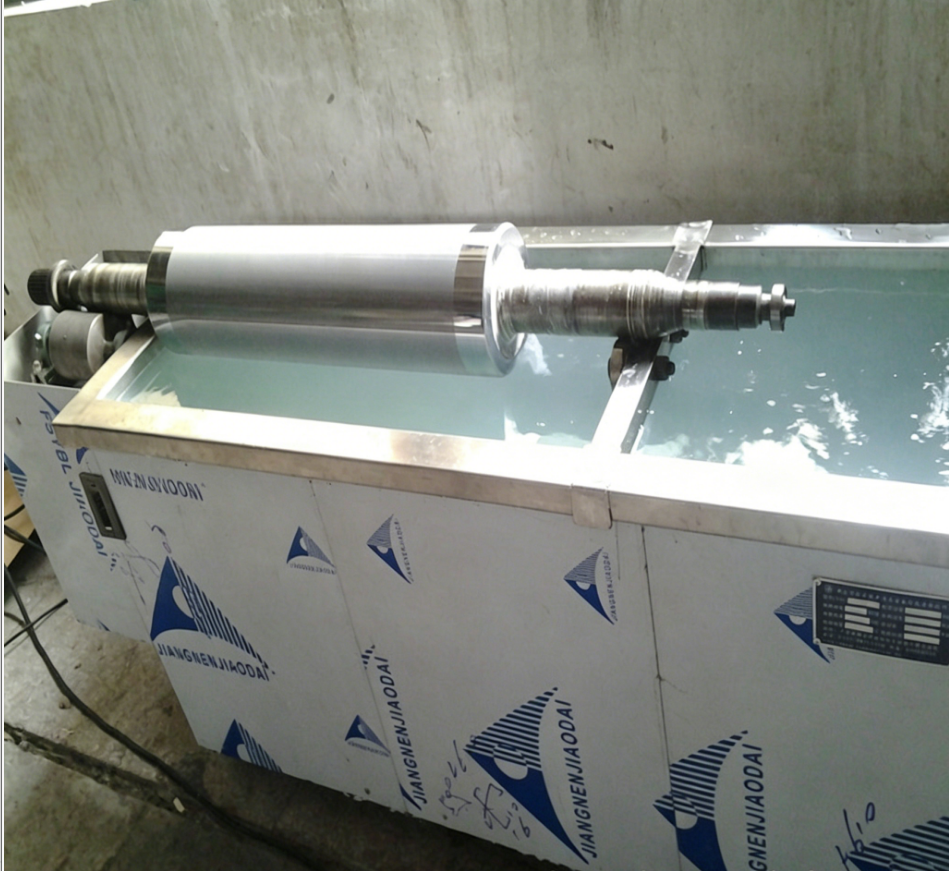
Ultrasonic cleaning relies on a process called cavitation. A generator sends electrical energy to transducers, which vibrate at high frequencies. These vibrations pass into a tank of cleaning fluid, forming microscopic bubbles. When the bubbles burst, they release energy that lifts dirt off surfaces.
The result is a deep, even clean that reaches blind holes, threads, and tight gaps. Most industrial machines run at 28kHz or 40kHz. Lower frequencies produce larger bubbles and stronger scrubbing power, which suits heavy contamination. Higher frequencies create gentler action, ideal for delicate parts.
Power output also matters. A submersible vibration plate, for example, can range from 300W to 2400W depending on tank size and load. Matching power to your parts prevents damage while ensuring a thorough clean.
Manufacturers offer several configurations depending on your workflow. Knowing the differences helps you avoid overspending on features you won't use.
Semi-automatic machines: A good entry point. These require some manual loading but still deliver consistent cleaning quality.
Conveyor-type machines: Built for high-volume production, parts move through cleaning stages automatically.
Robotic arm machines: These handle loading and movement with full automation, reducing labor costs.
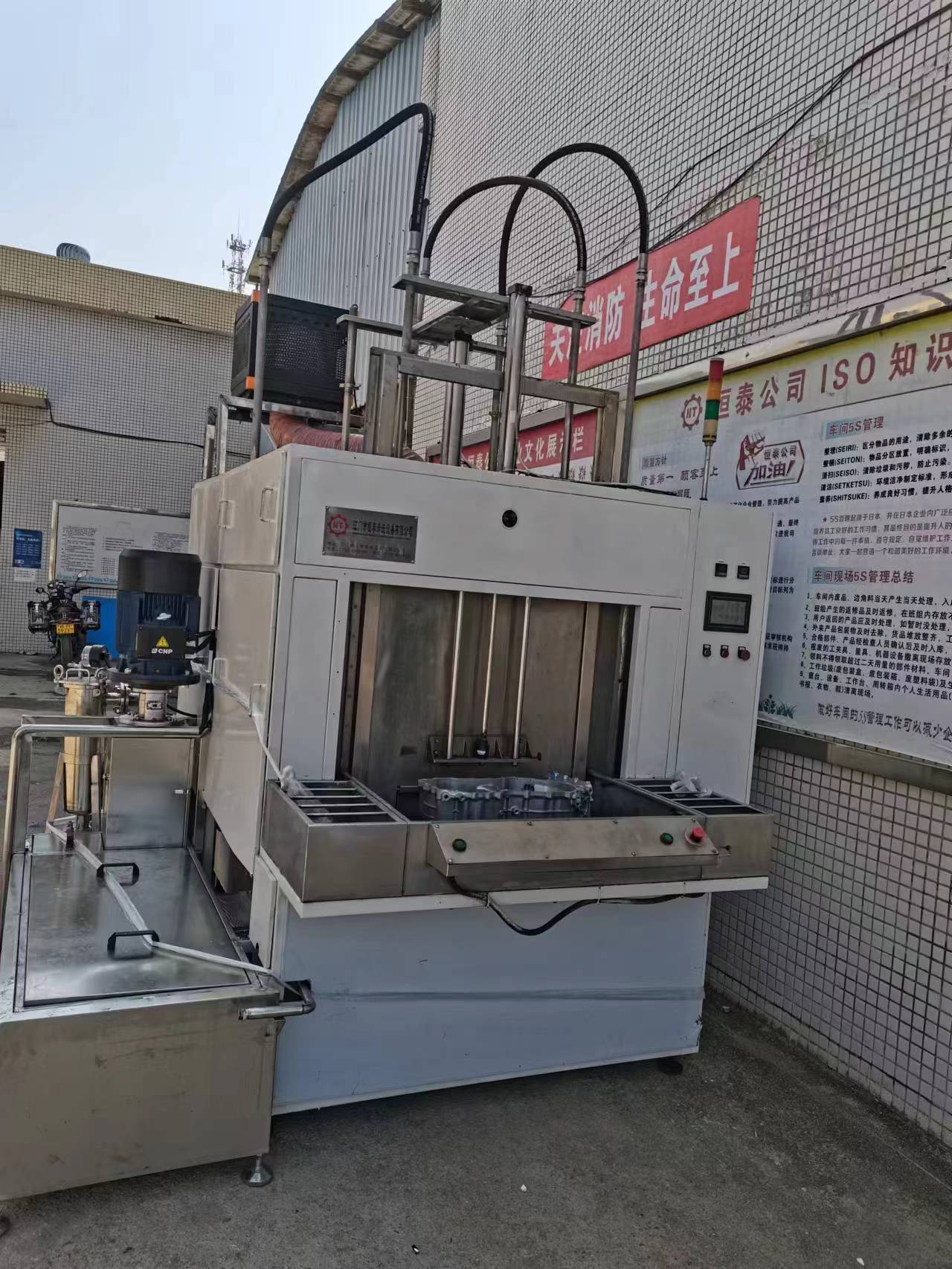
Overhead-type machines: Use overhead transport to move parts between tanks, useful for larger or heavier components.
Hydrocarbon machines: Designed for solvent-based cleaning where water isn't suitable.
For small workshops, repair shops, or labs, a small ultrasonic cleaning machine often makes the most sense. It takes up little space, costs less to run, and still cleans parts to a high standard.
The table below outlines common machine types and where each one fits best. Use it as a quick reference when matching equipment to your output needs.
Machine Type | Best For | Automation Level | Typical Use Case |
Semi-automatic | Small to mid batches | Partial | Repair shops, labs |
Conveyor-type | High-volume runs | High | Mass part production |
Robotic arm | Complex handling | Full | Auto parts, low labor |
Overhead-type | Large/heavy parts | High | Engine blocks, rims |
Hydrocarbon | Solvent cleaning | Medium | Oily metal components |
A clear comparison like this saves you from buying more capacity than your operation needs, or worse, too little.

Frequency and power are the two settings that decide cleaning results. Choose 28kHz when you're dealing with heavy grease, carbon buildup, or tough industrial grime. The larger cavitation bubbles hit harder and clear stubborn residue faster.
Choose 40kHz for finer work. Circuit boards, dentures, electric wires, and precision instruments respond better to gentler cleaning that won't pit or scratch delicate surfaces.
For power, follow a simple rule: larger tanks and heavier loads need more wattage. A small bench unit may run comfortably at a few hundred watts, while a multi-tank industrial line can demand several thousand. When in doubt, ask the manufacturer to spec the machine around your actual parts.
Chinese suppliers have become a leading source for cleaning equipment, and price is only part of the story. Companies such as Jiangmen Hengtai operate large modern facilities (Hengtai runs a 10,000㎡ plant) and offer one-stop custom solutions covering cleaning, drying, and water treatment.
Customization is a major advantage. Tank dimensions, mesh-belt length, frequency, and material grade (such as SUS304 or SUS316 stainless steel) can all be tailored to your parts. That flexibility is harder to find with off-the-shelf imports.
If you need a professional ultrasonic cleaner machine built for demanding industrial use, working directly with a manufacturer gives you control over specs and a single point of contact for support. You also get access to full production lines, from cleaning through drying and oil coating, under one roof.
Before placing an order, confirm a few key details with your supplier:
Material grade: Stainless steel tanks (SUS304 or SUS316) resist corrosion and last longer.
Frequency options: Make sure the machine matches your parts (28kHz, 40kHz, or both).
Customization: Ask whether tank size and power can be adjusted to your load.
Drying and water treatment: Check if the supplier offers complete lines, not just cleaning tanks.
After-sales support: Confirm warranty terms and how spare parts are handled.
A short checklist like this prevents costly surprises after delivery.
Picking the right ultrasonic cleaning system comes down to three things: the parts you clean, your production volume, and your budget. A small bench unit suits repair work and labs, while conveyor or robotic systems pay off in high-volume factories.
Start by listing your parts and contamination levels, then ask a manufacturer to recommend a frequency, power rating, and tank size. Chinese suppliers offer strong value and deep customization, so don't hesitate to request a tailored quote rather than settling for a standard model.
Ready to move forward? Reach out to a manufacturer like Jiangmen Hengtai for a custom solution built around your exact cleaning needs.
How much does a China ultrasonic cleaning system cost?
Prices vary widely based on tank size, frequency, power, and automation level. A compact semi-automatic unit costs far less than a fully automated conveyor or robotic line. The best approach is to request a quote based on your specific parts and volume, since most Chinese manufacturers build to order.
What frequency is best for cleaning electronics?
Use 40kHz for electronics, circuit boards, and other delicate items. The smaller cavitation bubbles clean gently without damaging fine components. Save 28kHz for heavier industrial parts with grease or carbon buildup.
Can these machines clean large parts like engine blocks?
Yes. Overhead-type and customized large industrial machines are built for heavy components such as engine blocks, wheel rims, and auto parts. Tank size and power are scaled to handle the load.
Are Chinese ultrasonic cleaning machines reliable?
Established manufacturers with modern facilities and strong R&D produce reliable, durable equipment. Look for stainless steel construction, clear warranty terms, and a supplier that offers custom specs and after-sales support.
Do suppliers offer drying and water treatment too?
Many do. Manufacturers like Jiangmen Hengtai provide complete industrial lines that include cleaning, drying, water treatment, and oil coating, giving you a one-stop solution rather than standalone tanks.


