You can send an email: htkim@ultrasonic-washer.com


Ht Washer Equipment Focus on washing machine equipment solutions.


Views: 0 Author: Site Editor Publish Time: 2026-05-14 Origin: Site


Manufacturing relies heavily on precision. Even a microscopic layer of oil or dust on a newly machined part can cause catastrophic failures down the production line. Engineers need reliable methods to strip away contaminants quickly and safely. This ensures that subsequent steps, such as painting, welding, or assembly, happen without a hitch.
Selecting the right method to wash industrial components is a critical decision. Factories handle everything from complex aerospace gears to delicate printed circuit boards. Each of these parts requires a specific approach to remove stubborn grease, wax, and flux residue. If a facility uses the wrong method, they risk damaging valuable components or leaving hazardous residues behind.
One highly effective solution for achieving spotless parts is a Vapor Degreaser. This technology utilizes solvent vapors to condense on cool parts, dissolving soils and flushing them away. By understanding how this technology fits into a broader manufacturing setup, plant managers can significantly improve their operational efficiency and product quality.

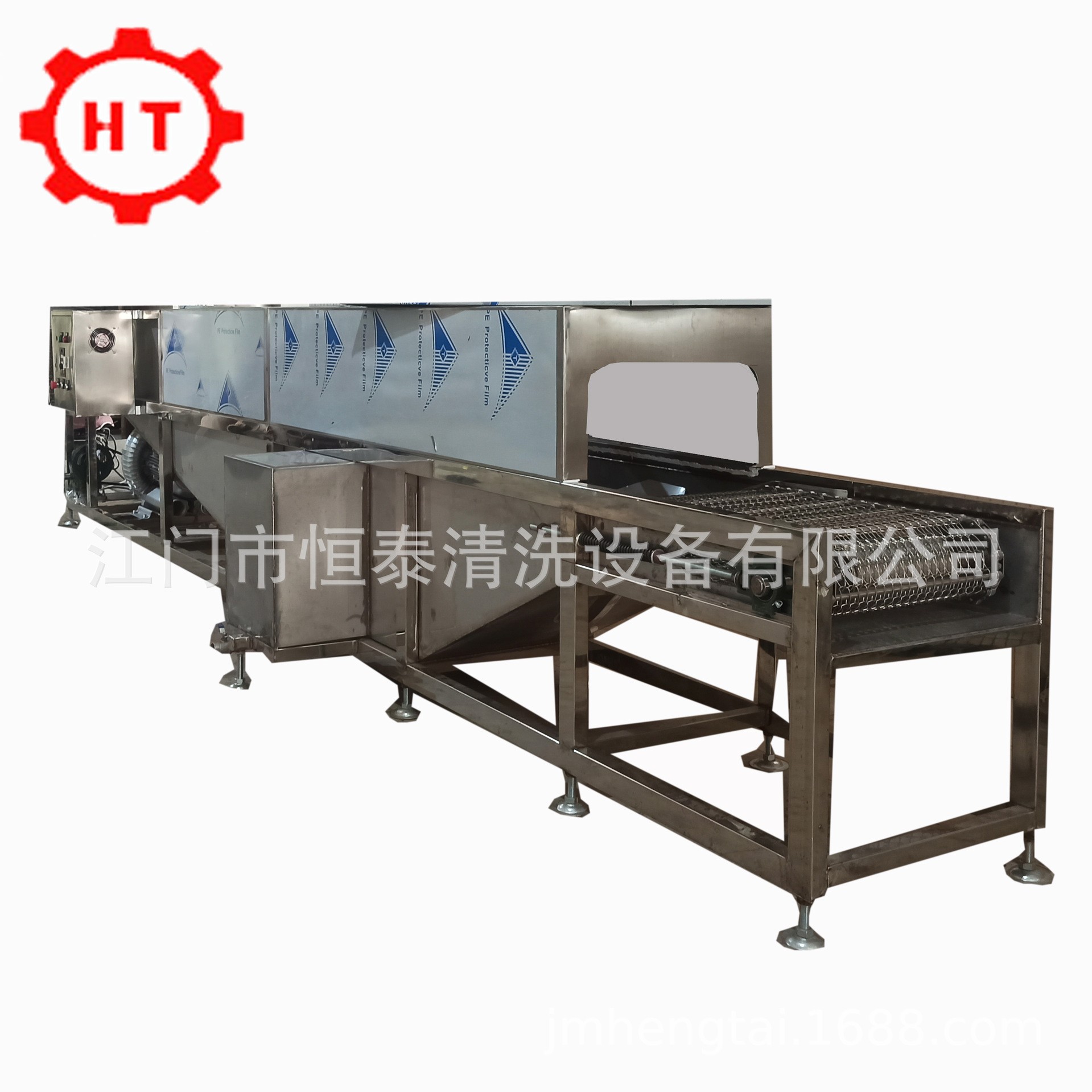
Solvent-based washing operates on a straightforward physical principle. A tank contains a specialized liquid solvent that is heated until it boils. As the liquid boils, it creates a dense zone of pure vapor above the fluid. Workers or automated hoists lower cold, dirty parts into this vapor zone.
Because the parts are much cooler than the vapor, the gas immediately condenses on the surface of the metal or plastic. This pure, liquid solvent dissolves oils, greases, and particulates. The contaminated liquid then drips off the part and falls back into the boiling sump below. The process continues until the part reaches the same temperature as the vapor, at which point condensation stops. The part comes out completely dry and perfectly clean.
This method is exceptionally popular because it requires very little manual labor. The continuous distillation process means the vapor remains pure, even as the liquid sump becomes loaded with dirt and oil.
Many industries rely on this specific washing method because it offers several distinct advantages over traditional scrubbing or wiping.
Manual scrubbing often leaves missed spots. Automated solvent systems ensure that the cleaning agent reaches every tiny crevice and blind hole. The vapor naturally expands to fill the entire space, guaranteeing a uniform wash across complex geometries.
Water-based methods often require extensive drying equipment. Ovens and blowers consume massive amounts of electricity and add minutes to the production cycle. Because solvents evaporate rapidly at room temperature, parts emerge from the vapor zone completely dry and ready for immediate packaging or further processing.
A standard Surface Cleaning Machine that relies on water often requires multiple tanks for washing, rinsing, and drying. A vapor system typically handles the entire process within a single, compact unit. This saves valuable floor space inside crowded manufacturing facilities.

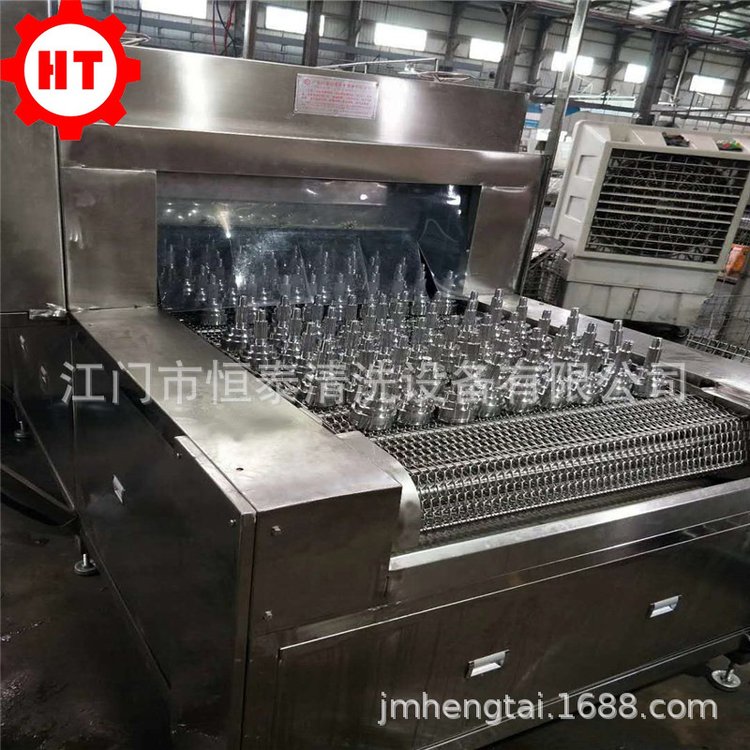
To make an informed decision, facility managers must evaluate different washing technologies side by side. The table below outlines the primary differences between solvent-based, water-based, and sound-wave technologies.
Washing Technology | Primary Cleaning Agent | Drying Speed | Best Application Use Case | Space Requirement |
Solvent Vapor System | Chemical Solvents | Very Fast | Oils, greases, flux on complex parts | Low to Medium |
Aqueous Spray System | Water and Detergents | Slow | Heavy soils, bulk parts, rust removal | High (needs dryers) |
Sound Wave System | Water or Solvents | Varies | Microscopic dirt, blind holes, delicate items | Medium |
While solvent vapor is excellent for removing oils, some contaminants require a different kind of mechanical action. Dust, metal shavings, and polishing compounds do not always dissolve easily. This is where sound wave technology excels.
By introducing high-frequency sound waves into a liquid bath, this method creates millions of microscopic bubbles. These bubbles implode with incredible force when they contact the surface of a part. This phenomenon, known as cavitation, physically knocks dirt and debris away from the material.
Facilities often combine sound wave action with mild detergents to achieve medical-grade cleanliness. High-quality Ultrasonic Cleaning equipment is frequently used to process surgical instruments, optical lenses, and intricate electronic assemblies. These machines can be configured with automated robotic arms to move baskets of parts through multiple tanks, ensuring consistent results without human intervention.
Historically, solvent washing faced scrutiny due to the environmental impact of certain chemicals. Early solvents contributed to ozone depletion and posed health risks to operators. Fortunately, the industry has evolved significantly over the past two decades.
Modern systems use advanced, eco-friendly solvents that have zero ozone depletion potential and very low global warming potential. Furthermore, modern equipment features tight seals, automated lids, and secondary cooling coils to trap vapors inside the machine. These engineering improvements minimize emissions and protect the workers operating the machinery.
When adopting any new washing process, facility managers must ensure they comply with local environmental regulations. Partnering with a reputable equipment manufacturer helps guarantee that the machinery meets strict safety and emission standards.
Selecting the right equipment to wash your manufactured parts is essential for maintaining product quality and operational efficiency. By carefully evaluating your specific contaminants, part geometries, and production volume, you can implement a system that saves time and reduces waste.
Jiangmen Hengtai Cleaning Equipment Co., Ltd. provides a wide range of advanced solutions tailored to your unique industrial needs. From fully automated lines to compact machines, their engineering team helps you build a smarter, cleaner future. Reach out to their experts today to discuss your precision washing requirements and find the perfect equipment for your facility.


