You can send an email: htkim@ultrasonic-washer.com


Ht Washer Equipment Focus on washing machine equipment solutions.


Views: 0 Author: Site Editor Publish Time: 2026-06-17 Origin: Site


Quick answer:
A spray washing machine cleans industrial parts by blasting them with pressurized jets of water and detergent. It removes oil, metal chips, and grime faster than manual washing, uses less labor, and delivers consistent results—making it a smart choice for manufacturers who need reliable, high-volume parts cleaning.
Dirty parts slow down production. Oil residue, machining chips, and dust can ruin coatings, damage assemblies, and lead to costly rejects. Manual scrubbing eats up labor hours and rarely gives the same result twice. That's why more manufacturers are turning to automated pressure-based cleaning equipment.
This guide explains how spray-based cleaning works, the main equipment types, and how to pick the right setup for your shop floor. You'll also find a comparison table, cost factors, and answers to the questions buyers ask most often. By the end, you'll know whether this technology fits your operation—and what to look for before you buy.
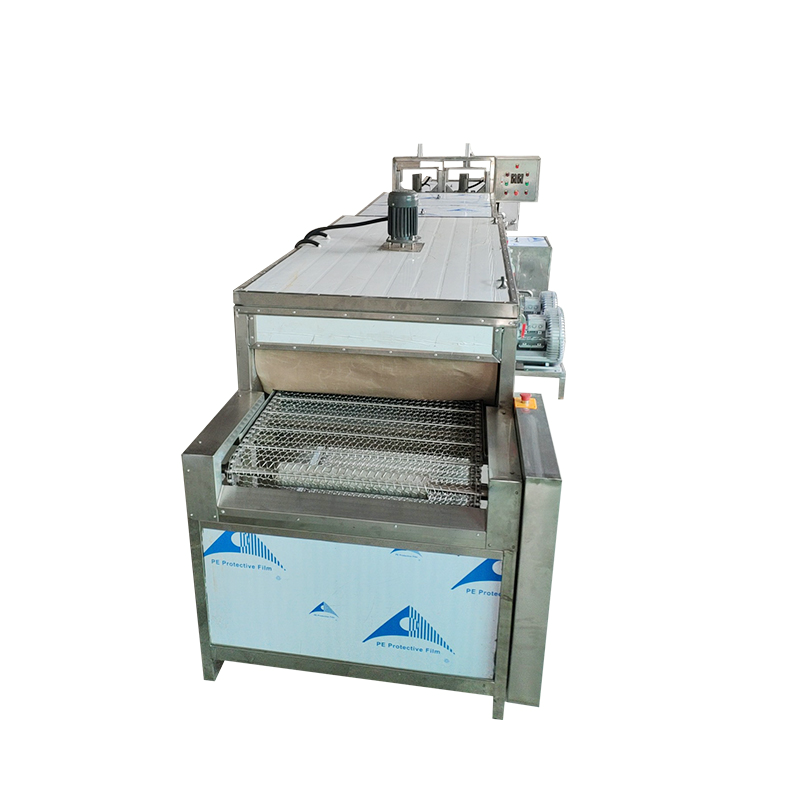

The process is straightforward. Parts move into a sealed chamber or along a conveyor. Nozzles then spray a mix of heated water and cleaning solution at high pressure. The force of the jets, combined with the chemical action of the detergent, lifts away oil, grease, and solid debris.
After the wash stage, most systems add a rinse cycle and a drying step. Some lines blow hot air over the parts; others use warm-air tunnels to remove every trace of moisture. The result is clean, dry components ready for the next stage—whether that's coating, assembly, or packaging.
A well-built spray washing machine can run for hours without supervision. Operators load and unload parts, while the machine handles the heavy work. This frees up staff for tasks that need real skill and judgment.
Different jobs call for different machine layouts. Here are the most common designs used in factories today:
Conveyor-type systems. Parts ride through wash, rinse, and dry zones on a moving belt. Best for steady, high-volume production.
Overhead-type systems. Parts hang from racks that move through each stage. Ideal for larger or oddly shaped components.
Brush roller systems. Rotating brushes work alongside spray jets to scrub flat surfaces like glass or panels.
Wash-and-dry lines. Full production lines that combine cleaning, rinsing, and drying in one continuous flow.
Choosing between them depends on your part size, daily output, and floor space. A modern spray cleaning machine can be customized with extra wash stages, water filtration, or temperature controls to match your exact process.
The table below compares the main options to help you match equipment to your needs.
Machine Type | Best For | Part Size | Output Level |
Conveyor-Type | Steady mass production | Small to medium | High |
Overhead-Type | Heavy or bulky parts | Medium to large | Medium |
Brush Roller | Flat surfaces, glass, panels | Small to medium | Medium to high |
Wash-and-Dry Line | Full process automation | Any | Very high |
Use this as a starting point, then refine your choice based on the materials you clean and the contaminants you face. Oily engine parts, for example, need stronger heated detergent cycles than lightly dusted components.


Upfront price varies with size, automation level, and custom features. But the running costs often matter more over time. Three factors drive the total:
Water and detergent use. Systems with built-in filtration and water recycling cut consumption sharply.
Energy. Heated wash and dry stages use power, so look for insulated chambers and efficient heaters.
Labor. Automated lines need fewer operators than manual washing, lowering ongoing wage costs.
Choose a system with water treatment built in if reducing waste and chemical spend matters more to you than a lower sticker price. For shops with large daily volumes, a high capacity spray wash system pays back faster because it spreads fixed costs across more parts.
Pressure spray cleaning suits any sector that produces metal or precision parts in volume. Common users include:
Automotive. Engine blocks, transmission parts, and brake components.
Electronics. Circuit boards and housings that need spotless surfaces before assembly.
Hardware and fasteners. Bolts, nuts, and stampings cleaned in bulk.
Glass and panels. Flat surfaces that demand streak-free results.
If your parts must be clean, dry, and consistent before the next step, this equipment earns its place on the floor.
Automated spray cleaning solves three problems at once: it cuts labor, raises output, and delivers steady quality. Manual methods can't keep up once volumes grow. The right machine depends on your parts, your space, and your budget—so map those out before you compare models.
Ready to take the next step? Talk to an equipment specialist about your cleaning challenges, request a quote tailored to your parts, and ask for a demo if possible. A short conversation now can save thousands in rejects and labor later.
What's the difference between spray cleaning and ultrasonic cleaning?
Spray cleaning uses pressurized jets to blast away contaminants and works well for larger parts and high volumes. Ultrasonic cleaning uses sound waves in a liquid bath to reach tiny crevices, making it better for delicate or complex parts. Many factories use both for different stages.
How long does a typical spray wash cycle take?
Cycle times range from a few minutes to around fifteen minutes, depending on contamination level, part size, and the number of stages. Conveyor lines run continuously, so throughput is measured in parts per hour rather than per cycle.
Can one machine handle different part sizes and shapes?
Yes. Many systems are customizable with adjustable racks, nozzle layouts, and conveyor widths. Overhead-type designs are especially flexible for bulky or irregular parts.
Is automated spray cleaning worth it for small workshops?
It depends on volume. If you clean parts daily and labor is tight, even a semi-automatic unit can pay off. For occasional, low-volume work, manual methods may still be cheaper.
How do these machines reduce water and chemical waste?
Systems with built-in filtration and recycling reuse cleaning fluid across cycles. This lowers detergent spend, cuts water use, and helps meet environmental rules.


