You can send an email: htkim@ultrasonic-washer.com


Ht Washer Equipment Focus on washing machine equipment solutions.


Views: 0 Author: Site Editor Publish Time: 2026-03-14 Origin: Site


Maintaining pristine equipment remains a fundamental requirement across modern manufacturing sectors. Professionals consistently seek effective methods to remove grime, grease, along with accumulated debris from vital machinery. Implementing the correct technology ensures operational longevity while reducing unnecessary downtime. This comprehensive guide explores the integrated use, technical mechanics, plus operational benefits of utilizing a surface cleaner, a parts washer, alongside a highly efficient spray washer.
We will explore how these specific systems function independently, how they operate together, plus the precise ways they elevate facility maintenance. Please read on to discover practical insights designed to enhance your daily cleaning protocols.
A surface cleaner serves as the first line of defense against stubborn contaminants. Facilities rely heavily on a high-quality surface cleaner to treat large, exposed areas where grime tends to build up rapidly.
When you deploy a surface cleaner, the equipment utilizes pressurized fluid streams to dislodge bonded particles. A surface cleaner typically incorporates rotating nozzles that distribute cleaning agents evenly across flat or slightly contoured spaces. This uniform distribution guarantees that the surface cleaner leaves no streaks or untreated patches behind.


Using a surface cleaner provides immediate visual improvements to your workspace. Moreover, a surface cleaner prevents the degradation of expensive materials by removing corrosive substances. Operators appreciate a surface cleaner because it significantly reduces the manual labor traditionally required to scrub expansive facility floors or large machinery casings. Incorporating a surface cleaner into your regular maintenance schedule ensures a safer, more hygienic environment for all personnel.
While large exterior spaces require specific tools, the intricate components within your machinery demand a different approach. A parts washer provides the meticulous cleaning action necessary for gears, valves, alongside smaller mechanical elements.
A parts washer functions as an enclosed or semi-enclosed station where technicians submerge or treat specific components. By placing a dirty component into a parts washer, you expose it to specialized solvents or aqueous solutions designed to break down heavy hydrocarbons. Every parts washer utilizes a combination of chemical action, thermal energy, plus mechanical agitation. This precise environment allows the parts washer to penetrate blind holes, crevices, plus complex geometries that other tools simply cannot reach.
Selecting the correct parts washer involves assessing your daily volume of soiled components. An ultrasonic parts washer uses high-frequency sound waves to create cavitation bubbles, offering microscopic scrubbing power. Alternatively, a manual parts washer allows operators to brush components directly while a steady stream of fluid washes away debris. Regardless of the specific type, a parts washer remains an absolute necessity for automotive, aerospace, plus general manufacturing facilities. Trusting a parts washer extends the lifespan of your mechanical parts, thereby protecting your bottom line.
For scenarios requiring forceful, targeted cleaning over varied component sizes, a spray washer delivers exceptional performance. A spray washer combines high fluid pressure with targeted delivery to strip away the most resilient contaminants.
A spray washer excels in versatility. You can use a spray washer to clean medium-to-large assemblies that might not fit perfectly into a standard parts washer basin. The spray washer typically features adjustable nozzles, allowing the user to dictate the exact angle plus pressure of the fluid stream. This adaptability makes the spray washer highly effective for continuous manufacturing lines or batch-cleaning operations.
Implementing a spray washer drastically cuts down processing times. Because a spray washer utilizes concentrated kinetic energy, it physically knocks dirt away in seconds. Furthermore, a modern spray washer often incorporates automated cycles. Operators can simply load the components, activate the spray washer, plus return when the cycle completes. This automated spray washer functionality frees up valuable labor hours, allowing your skilled technicians to focus on more complex, value-adding tasks.
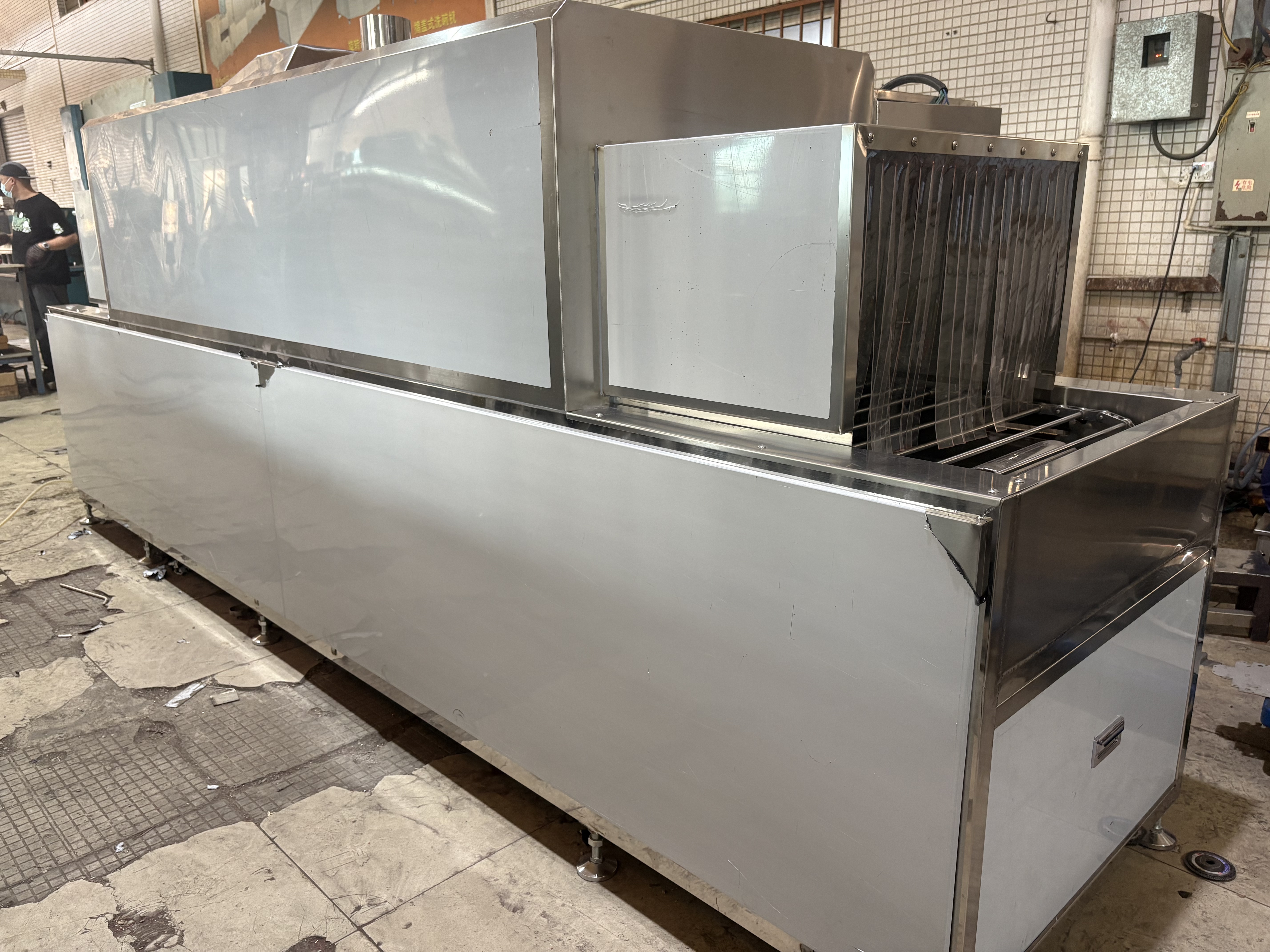
To fully appreciate these technologies, it is helpful to observe their distinct advantages side-by-side. The following table illustrates the primary applications, optimal targets, plus mechanical actions of a surface cleaner, a parts washer, alongside a spray washer.
Equipment Type | Primary Application | Optimal Target Area | Mechanical Action |
|---|---|---|---|
Surface Cleaner | Treating broad, flat expanses | Floors, large casings, facility pathways | Rotating pressurized fluid streams |
Parts Washer | Deep cleaning intricate components | Gears, valves, complex geometries | Chemical soaking, agitation, ultrasonic waves |
Spray Washer | High-impact targeted stripping | Medium assemblies, diverse batch parts | Directed high-pressure fluid jets |
True industrial efficiency emerges when you synergize these three distinct tools. Using a surface cleaner, a parts washer, plus a spray washer in a coordinated workflow guarantees a comprehensively clean facility.
Please consider a workflow where external machine housings are first treated with a surface cleaner. The surface cleaner rapidly addresses the bulk of external dirt. Next, technicians disassemble the machinery, taking the intricate interior pieces straight to the parts washer. The parts washer meticulously breaks down grease within the tiny crevices. Finally, the mid-sized structural components undergo a rapid cycle in the spray washer. The spray washer blasts away any remaining loose particulate matter.
This multi-tiered approach—relying simultaneously on the surface cleaner, the parts washer, alongside the spray washer—ensures zero cross-contamination. Every specific tool handles the exact job it was engineered to perform. By integrating a surface cleaner for exteriors, a parts washer for delicate internals, plus a spray washer for heavy-duty assemblies, your facility achieves unprecedented cleanliness.
To ensure optimal performance, please remember that your surface cleaner, parts washer, plus spray washer require routine maintenance of their own. Regularly inspect the nozzles of your surface cleaner for clogs. Consistently replace the fluids within your parts washer to maintain chemical efficacy. Furthermore, routinely check the pump mechanisms powering your spray washer to guarantee consistent pressure delivery. Taking polite care of your surface cleaner, parts washer, plus spray washer guarantees they will care for your facility for years to come.
A parts washer typically involves soaking components in a basin, often utilizing agitation or ultrasonic waves to clean intricate details. Conversely, a spray washer relies primarily on the kinetic force of pressurized fluid jets to quickly strip away contaminants from exterior surfaces or larger assemblies.
Yes, in the vast majority of industrial settings, a high-quality surface cleaner eliminates the need for manual floor scrubbing. A surface cleaner applies consistent pressure alongside specialized solutions to lift grease efficiently, saving significant labor time while producing superior results.
Fluid replacement frequency in a parts washer depends heavily on daily usage volumes plus the severity of component contamination. As a general best practice, please inspect the parts washer fluid weekly. Once the solvent in the parts washer becomes saturated with oils or loses its cleaning efficacy, it requires immediate replacement.
While a spray washer excels at heavy-duty cleaning, you must exercise caution with fragile items. If you must process delicate items in a spray washer, please ensure you adjust the pressure settings to their lowest capable output. For highly sensitive pieces, routing them to an ultrasonic parts washer remains the most highly recommended method.
While a surface cleaner, parts washer, plus spray washer offer maximum synergy, smaller operations might prioritize based on specific needs. If your primary focus involves engine rebuilding, a parts washer is critical. If facility maintenance is paramount, a surface cleaner takes priority. However, for complete industrial readiness, utilizing a surface cleaner, parts washer, plus a spray washer together represents the gold standard.
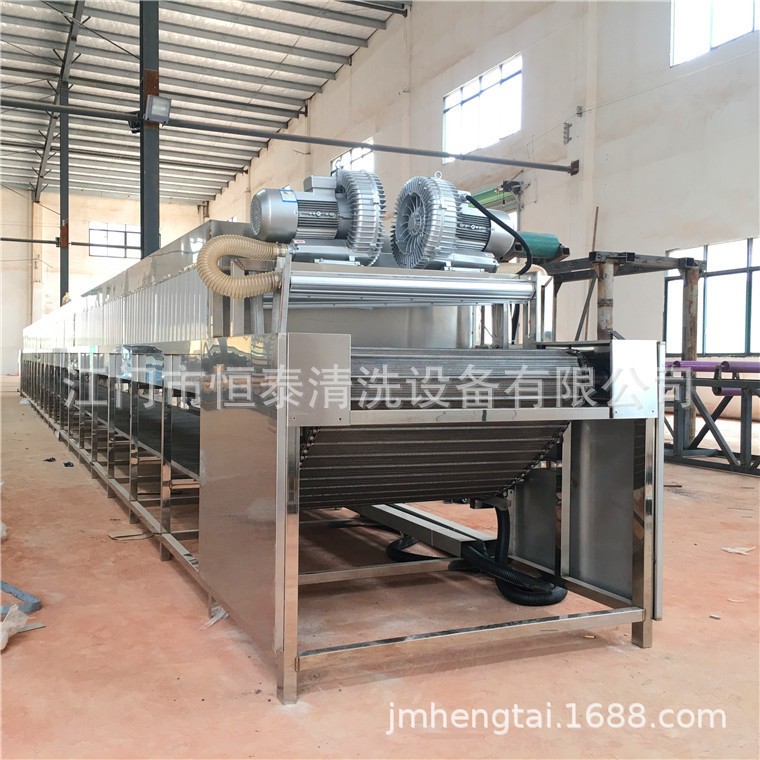
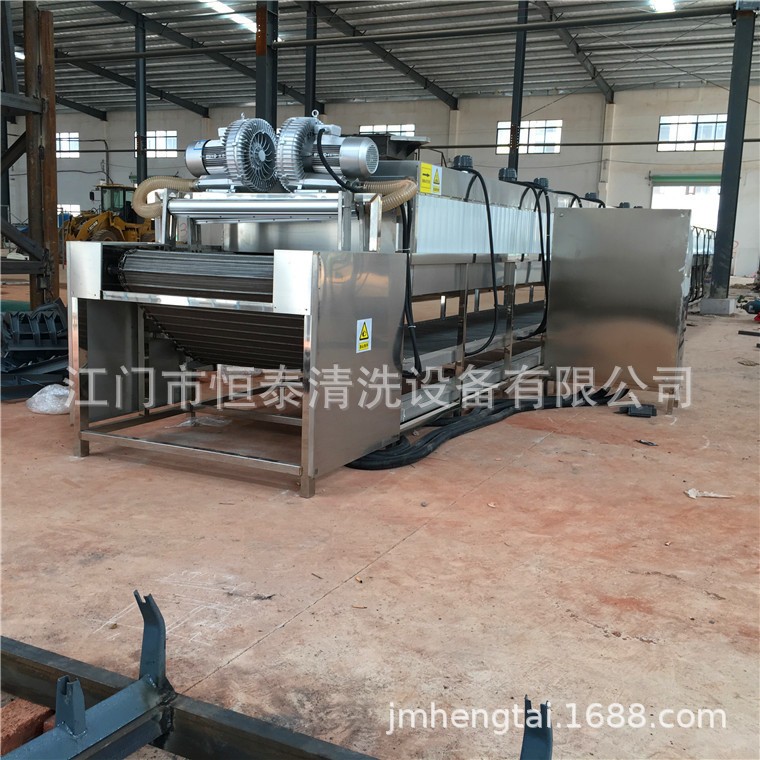
Optimizing your industrial cleaning protocols requires dependable, high-performance equipment. Whether you are seeking a robust surface cleaner to maintain pristine facility floors, a meticulous parts washer for intricate component maintenance, or a powerful spray washer for rapid assembly processing, choosing the right manufacturer makes all the difference.
We highly recommend Hengtai for all your industrial cleaning requirements. Hengtai provides exceptional engineering, ensuring your surface cleaner, parts washer, plus spray washer deliver unmatched reliability alongside superior operational efficiency.
Email: htkim@ultrasonic-washer.com
Phone: +86 13690655506


