You can send an email: htkim@ultrasonic-washer.com


Ht Washer Equipment Focus on washing machine equipment solutions.


Views: 0 Author: Site Editor Publish Time: 2026-07-03 Origin: Site


TL;DR:
Industrial drying technology in China has advanced significantly, driven by manufacturers like Jiangmen Hengtai Cleaning Equipment Co., Ltd. that integrate tunnel ovens, hot-air circulation, and mesh-belt conveying into end-to-end production lines. These solutions reduce energy consumption, increase throughput, and meet the precision demands of automotive, electronics, and metal-parts industries.
Post-cleaning drying is one of the most overlooked steps in industrial manufacturing—and one of the most consequential. Incomplete drying causes surface oxidation, contamination redeposition, and coating adhesion failures that no amount of upstream cleaning can fix. Manufacturers sourcing from China have long recognized that the country's equipment sector has matured well beyond basic ovens and heat guns.
Today, industrial drying technology china encompasses fully integrated conveyor-based systems, adjustable multi-zone tunnel ovens, and hot-air circulation platforms engineered to meet tight tolerances across high-volume production lines. This post breaks down how these technologies work, what separates a well-designed system from a commodity one, and why Hengtai has become a trusted name among global buyers.


Chinese industrial equipment manufacturers generally offer three core drying approaches, each suited to different part geometries, materials, and throughput requirements:
1. Tunnel (Mesh-Belt) Drying Ovens
Parts move along a stainless steel mesh belt through a temperature-controlled tunnel. Zones can be set independently from room temperature up to 300°C. This method suits high-volume, continuous-flow production of hardware, auto parts, and electronic components.
2. Hot-Air Circulation Ovens
A chamber-based system that recirculates heated air uniformly around components. Used for batch processing of parts with complex geometries where airflow consistency matters more than throughput speed.
3. Infrared Drying Systems
Infrared elements heat the surface of the workpiece directly, reducing drying cycle time significantly. Common in paint and coating pre-treatment lines where surface temperature needs to be reached quickly without heating the surrounding air.
Drying Method | Best For | Temperature Range | Throughput |
|---|---|---|---|
Tunnel (Mesh-Belt) Oven | High-volume continuous lines | Room temp – 300°C | High |
Hot-Air Circulation Oven | Batch processing, complex geometry | 50°C – 250°C | Medium |
Infrared Drying | Coating/paint pre-treatment | Surface-targeted | High |
Vacuum Drying | Sensitive components | Low temp | Low–Medium |
Selecting the right method depends on part material, production volume, available floor space, and whether drying is integrated into a larger cleaning line.
For most precision manufacturers, drying doesn't happen in isolation. It's the final stage of a cleaning sequence that includes pre-washing, ultrasonic cleaning, rinsing, and surface protection. Separating these stages introduces manual handling, contamination risk, and bottlenecks.
Hengtai's industrial cleaning and drying lines are engineered as unified systems. A single line can include high-pressure spray cleaning, multi-tank ultrasonic cleaning, pure water rinsing, and a mesh-belt drying oven—all connected through automated conveying. Parts enter dirty and exit clean, dry, and ready for the next process stage without any manual intervention between steps.
This integrated approach matters because it eliminates the moisture re-contamination that occurs when wet parts sit between processing stages. It also simplifies facility layout and reduces the labor overhead of moving components from one machine to another.
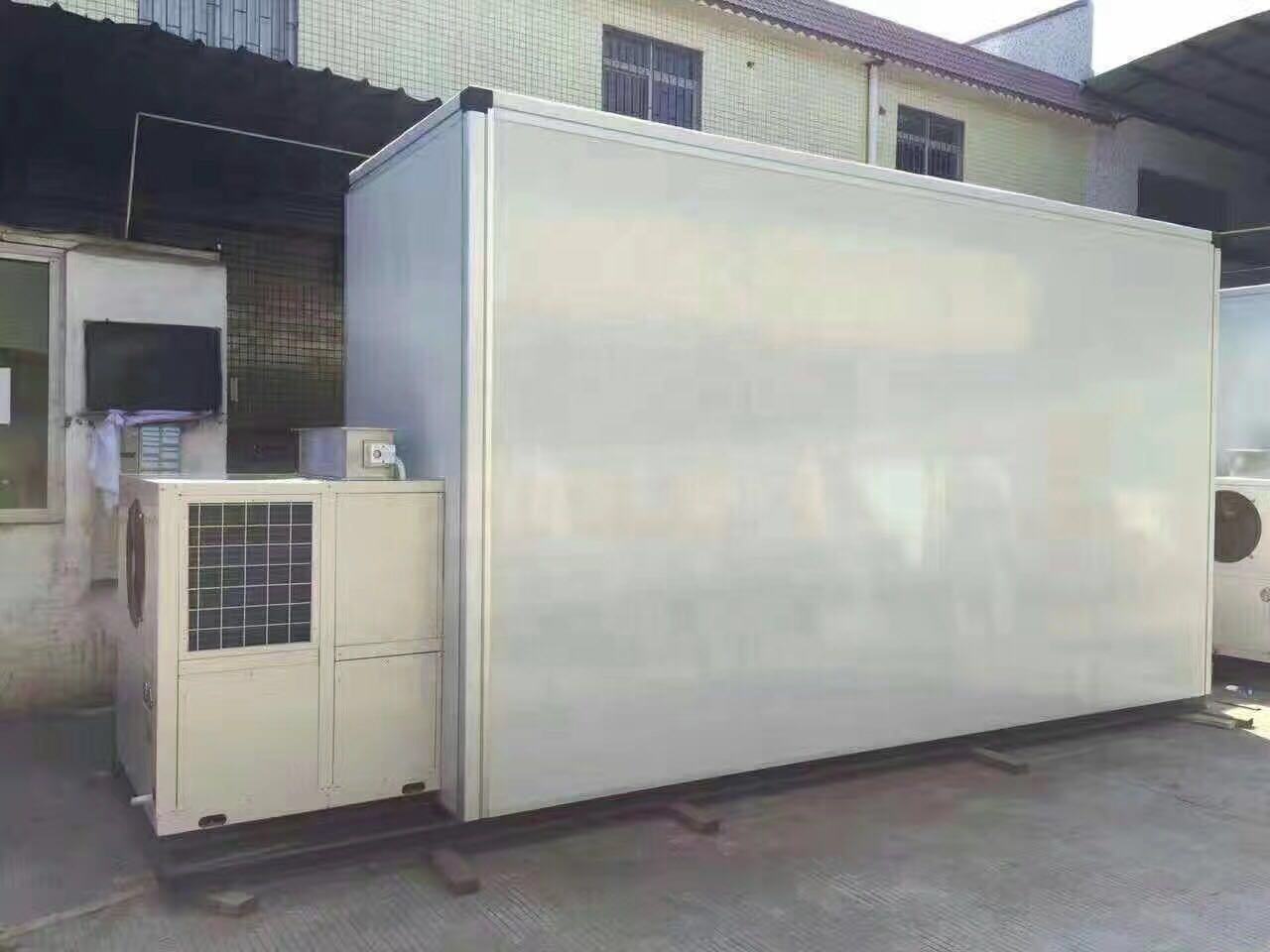
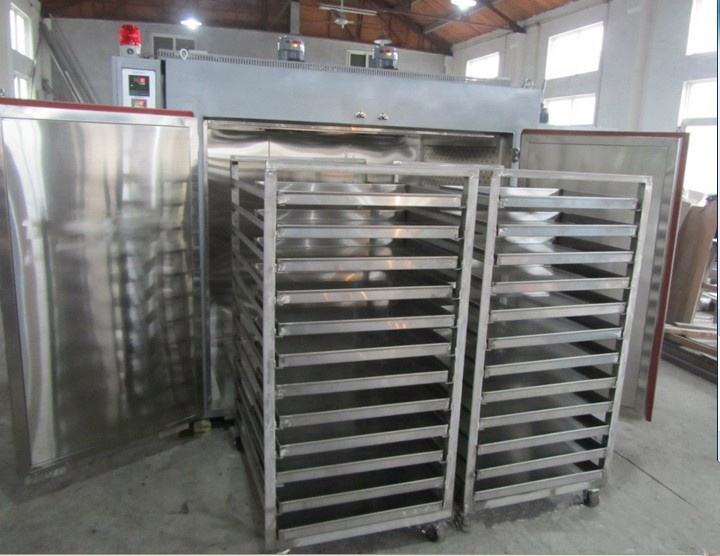
Not all drying ovens are equal, and the gap between a competitively priced commodity unit and a performance-engineered system becomes apparent under production pressure. Several factors distinguish Hengtai's equipment:
Customizable Belt and Chamber Dimensions
Hengtai manufactures drying systems with mesh-belt widths and tunnel lengths tailored to the customer's part size and line speed. Off-the-shelf dimensions rarely match actual production requirements precisely.
Temperature Uniformity
Multi-zone heating elements with independent PID controllers ensure temperature uniformity throughout the tunnel. This is critical for parts that require consistent surface drying without thermal stress.
Energy Efficiency
Thermal insulation materials and recirculating airflow designs reduce energy consumption compared to open-loop heating systems. For lines running 16–24 hours per day, this translates directly into operating cost savings.
Material and Compliance Standards
Internal surfaces are fabricated from SUS304 stainless steel, which resists corrosion and avoids contaminating cleaned components—an essential requirement for electronics, medical device, and food-contact applications.
Buyers sourcing industrial drying equipment china should ask specifically about temperature uniformity data, insulation specifications, and whether the supplier offers post-installation commissioning support. Hengtai provides all three as standard practice.
Demand for precision drying equipment spans multiple sectors, each with specific requirements:
Automotive: Engine components, transmission parts, and brake assemblies require complete moisture removal before coating or assembly. Any residual water causes rust, coating delamination, or hydraulic fluid contamination.
Electronics: PCBs and precision connectors are sensitive to heat and moisture. Controlled low-temperature drying prevents component damage while eliminating flux residues and rinse water.
Metal Hardware: Stamped and machined parts exit cleaning lines wet. Rapid drying prevents surface oxidation before rust inhibitor or packaging is applied.
Medical Devices: Cleanliness standards demand zero contamination risk. Stainless steel construction and validated drying temperatures are non-negotiable.
Hengtai's engineering team works directly with customers across these industries to configure equipment that meets both the cleaning standard and the throughput target—something a catalog-only supplier cannot offer.
Hengtai's tunnel drying ovens support temperatures from room temperature up to 300°C. Each zone is independently adjustable, allowing the system to be tuned to the specific drying requirements of the workpiece material and surface condition.
Yes. Hengtai designs drying equipment for both standalone use and integration into existing cleaning lines. The company's engineering team assesses the existing layout, conveying speed, and part specifications before recommending a configuration.
Lead times vary depending on the complexity of the customization, but most standard configurations are completed within 30–60 days. Hengtai provides project timelines at the quotation stage.
Hengtai holds relevant industry certifications for its manufacturing processes and equipment. Specific certification documentation is available upon request through the company's sales team.
Hengtai provides remote technical support, installation guidance, and spare parts supply for international customers. On-site commissioning can be arranged for large integrated line projects.
A cleaning process is only as effective as the drying that follows it. Residual moisture undoes the work of even the most advanced ultrasonic or spray cleaning system—and the cost shows up downstream in rejected parts, coating failures, and warranty claims.
Jiangmen Hengtai Cleaning Equipment Co., Ltd. operates from a 10,000㎡ facility in Guangdong, China, with an in-house R&D team focused on energy-efficient, automatable solutions for industrial cleaning and drying. The company's product range covers the full cleaning and drying workflow, from ultrasonic cleaning machines to integrated multi-stage lines built to customer specification.
If your production line needs a drying solution that fits your parts, your throughput, and your space constraints, contact Hengtai directly at htkim@ultrasonic-washer.com or visit www.ultrasonic-washer.com to explore the full product range.


