You can send an email: htkim@ultrasonic-washer.com


Ht Washer Equipment Focus on washing machine equipment solutions.


Views: 0 Author: Site Editor Publish Time: 2026-03-04 Origin: Site


Clean water is vital for both everyday life and complex manufacturing processes. But how does raw, untreated water become safe for consumption or suitable for factory operations? The answer lies in specialized systems and technology. If you want to understand the mechanics behind clean water, you must first ask: what exactly is water treatment equipment?
Water treatment equipment refers to the machinery, filters, and systems designed to remove contaminants from water. These contaminants can range from visible debris to microscopic bacteria and dissolved minerals. By utilizing high-quality water treatment equipment, facilities can purify water to meet specific safety and operational standards. Whether you operate a small commercial facility or a massive manufacturing plant, understanding how water treatment equipment functions helps you make informed decisions about your water supply.
Untreated water often contains harmful chemicals, biological pathogens, and suspended solids. If a facility uses untreated water, it risks damaging machinery, compromising product quality, and endangering human health. Installing reliable water treatment equipment solves these problems by systematically extracting unwanted materials.
Industrial water treatment equipment takes this a step further. Factories, power plants, and refineries require massive volumes of highly purified water. Standard municipal systems cannot handle the intense demands of heavy industry. Therefore, industrial water treatment equipment becomes necessary to prevent scale buildup in boilers, stop corrosion in cooling towers, and ensure wastewater meets environmental discharge regulations. Without industrial water treatment equipment, manufacturing processes would quickly grind to a halt due to machinery failure and regulatory violations.
To understand how industrial water treatment equipment works, you must look at the specific technologies involved. Not all water treatment equipment performs the same function. Facilities often combine multiple systems to achieve the desired water quality.

Filtration is often the first line of defense in water treatment equipment. These systems use physical barriers to trap suspended solids, dirt, and debris. Media filters, for example, force water through layers of sand or anthracite. As the water passes through, the media captures the particles. You must regularly maintain the Cleaning equipment parts associated with these filters, such as backwash valves and nozzles, to ensure continuous flow. Properly functioning Cleaning equipment parts prevent the filters from clogging and failing.
Reverse osmosis (RO) systems represent a highly advanced category of industrial water treatment equipment. An RO system forces water through a semi-permeable membrane under high pressure. This membrane allows water molecules to pass while blocking dissolved salts, minerals, and heavy metals. Many facilities rely on RO industrial water treatment equipment to produce ultra-pure water for electronics manufacturing or pharmaceutical production. To keep RO systems efficient, operators must regularly inspect the high-pressure pumps and replace specific Cleaning equipment parts that degrade over time.
You cannot discuss water treatment equipment without addressing the components that keep it clean and operational. Water treatment equipment processes dirty water, which naturally leads to internal fouling and scale buildup. To combat this, systems integrate various Cleaning equipment parts.
Cleaning equipment parts include items like automated backwash arms, chemical dosing pumps, ultrasonic transducers, and specialized spray nozzles. These Cleaning equipment parts work continuously to scrub, flush, and sanitize the internal mechanisms of your industrial water treatment equipment.
If your Cleaning equipment parts fail, the entire system suffers. For example, if the Cleaning equipment parts responsible for flushing a filtration membrane break down, the membrane will foul. Fouled membranes force your industrial water treatment equipment to consume more energy while producing lower-quality water. Investing in durable Cleaning equipment parts ensures your water treatment equipment runs efficiently and extends the lifespan of your heavy machinery. Regular replacement of worn-out Cleaning equipment parts is a non-negotiable aspect of maintaining any industrial water treatment equipment setup.
When evaluating water treatment equipment, you must consider several technical specifications. The table below outlines key factors to monitor when selecting industrial water treatment equipment and assessing the required Cleaning equipment parts.
Specification | Why It Matters For Water Treatment Equipment | Impact On Cleaning Equipment Parts |
|---|---|---|
Flow Rate (GPM) | Determines how much water the industrial water treatment equipment can process per minute. | Higher flow rates require heavy-duty Cleaning equipment parts to handle increased wear and tear. |
Operating Pressure | Dictates the force required to push water through the water treatment equipment membranes. | High pressure demands robust Cleaning equipment parts to prevent leaks and blowouts. |
Contaminant Tolerance | Indicates the maximum level of debris the industrial water treatment equipment can handle. | High contaminant loads require more frequent activation of automated Cleaning equipment parts. |
Material Construction | Affects the lifespan of the water treatment equipment (e.g., stainless steel vs. PVC). | Corrosive environments necessitate chemical-resistant Cleaning equipment parts. |
Investing in high-quality industrial water treatment equipment yields significant returns. First, reliable water treatment equipment protects your downstream machinery. When you feed purified water into boilers and cooling towers, you drastically reduce scale and corrosion. This means you spend less money repairing broken machinery and experience less unexpected downtime.
Second, industrial water treatment equipment helps you maintain strict environmental compliance. Discharging polluted wastewater can result in massive fines and damage to your company's reputation. Advanced industrial water treatment equipment filters out heavy metals and toxins before the water leaves your facility. By pairing your system with reliable Cleaning equipment parts, you guarantee consistent performance and avoid accidental discharge violations.
Finally, modern industrial water treatment equipment improves energy efficiency. Clean water transfers heat more effectively than dirty water. By using water treatment equipment to remove insulating scale minerals, your heating and cooling systems require less fuel to operate. When you maintain your system with optimal Cleaning equipment parts, your entire operation becomes more sustainable and cost-effective.
When it comes to sourcing dependable industrial water treatment equipment, you need a partner who understands the complexities of fluid dynamics and purification technology. Heng tai provides top-tier water treatment equipment designed to withstand the harshest industrial environments. Our systems utilize cutting-edge engineering to maximize purification while minimizing energy consumption.
Furthermore, Heng tai supplies premium Cleaning equipment parts that integrate seamlessly into your existing industrial water treatment equipment. We understand that reliable Cleaning equipment parts are the backbone of any successful water purification strategy. By choosing Heng tai, you ensure your water treatment equipment operates at peak efficiency year after year. Let Heng tai be your trusted source for all your industrial water treatment equipment and Cleaning equipment parts needs.

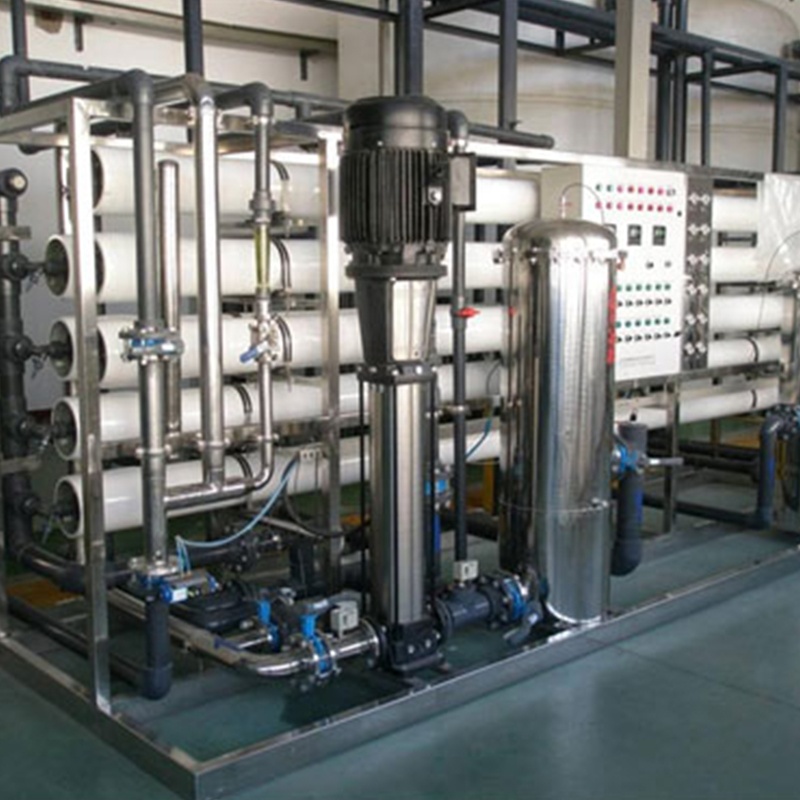
The cost of water treatment equipment varies wildly based on capacity and technology. A small commercial filter might cost a few thousand dollars, while large-scale industrial water treatment equipment can exceed several hundred thousand dollars. You must also factor in the ongoing cost of replacing Cleaning equipment parts and filter media.
The replacement schedule for Cleaning equipment parts depends on your water quality and operational volume. In heavy-duty industrial water treatment equipment, you might need to inspect and replace certain Cleaning equipment parts every three to six months to prevent system failure.
Yes, most industrial water treatment equipment requires some level of daily monitoring. While automated Cleaning equipment parts handle much of the routine flushing, operators should still check pressure gauges and flow meters daily to ensure the water treatment equipment functions correctly.
Absolutely. Many facilities upgrade their existing water treatment equipment by adding new filtration modules or integrating more efficient Cleaning equipment parts. Upgrading specific components of your industrial water treatment equipment is often more cost-effective than replacing the entire system.

Email: htkim@ultrasonic-washer.com
Phone: +86-13690655506


