You can send an email: htkim@ultrasonic-washer.com


Ht Washer Equipment Focus on washing machine equipment solutions.


Views: 0 Author: Site Editor Publish Time: 2026-05-13 Origin: Site


Keeping manufactured parts free of grease, oil, and debris is a critical step in modern production. When components move down the assembly line, any leftover residue can ruin subsequent processes like painting, welding, or coating. Finding the most effective way to remove these contaminants saves businesses countless hours and reduces costly waste.
Selecting the proper equipment for this job requires careful evaluation of your facility's unique needs. You must account for the type of material you are processing, the specific contaminants involved, and the daily volume of parts moving through your factory. A small operation cleaning delicate medical devices will need drastically different equipment than a massive plant processing heavy automotive engines.
Choosing the right Surface Cleaner is an investment in your company's long-term efficiency and product quality. This guide will help you understand the core factors to consider, the different technologies available, and how to make a highly informed decision for your manufacturing facility.
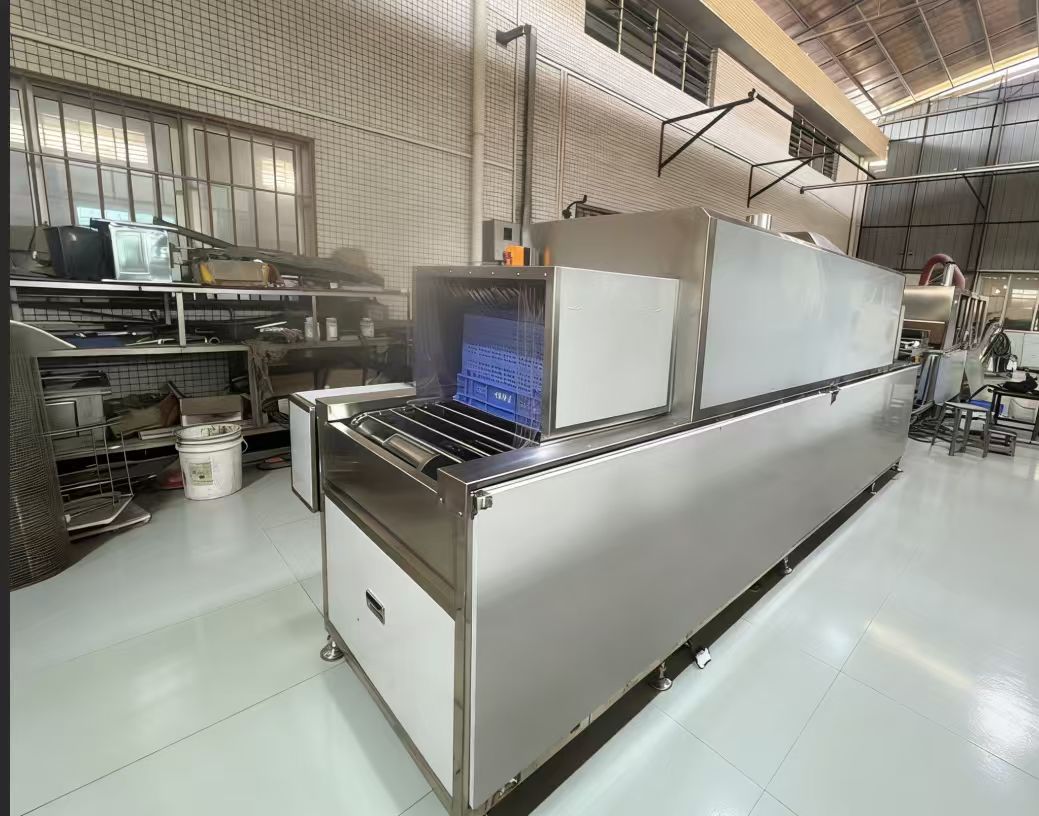
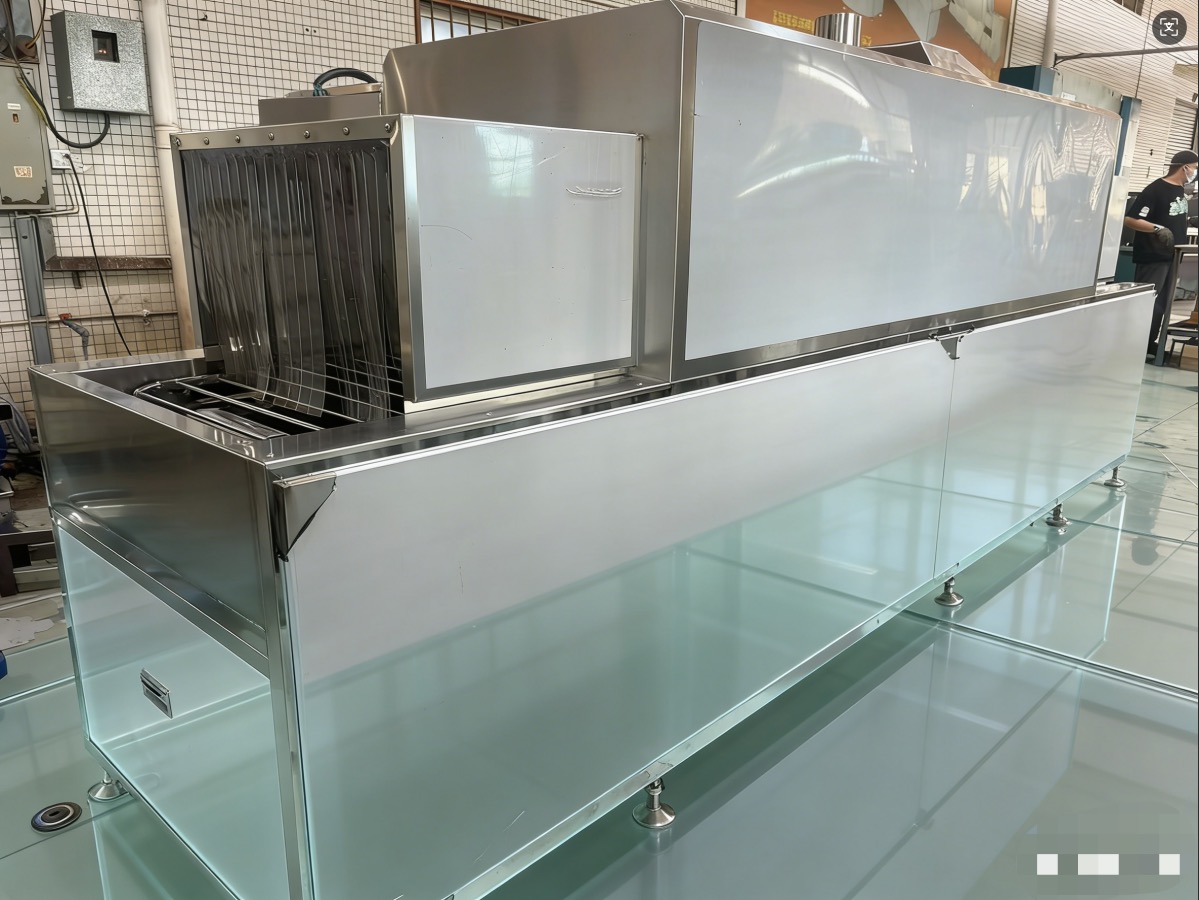
The first step in selecting cleaning equipment is understanding exactly what you need to wash away. Different manufacturing processes leave behind different types of residue. You might be dealing with heavy cutting fluids, sticky polishing compounds, or fine metal shavings. Heavy oils often require high temperatures and strong alkaline detergents, while loose dust might only need a quick rinse.
Equally important is the material composition of your parts. Aluminum, brass, and steel all react differently to heat, pressure, and chemicals. Delicate electronics or intricate glass components cannot withstand the brute force of a high-pressure spray. Instead, they require a gentle, highly precise approach to prevent damage during the wash cycle.
Your daily production volume dictates the size and style of the equipment you should install. Facilities with low throughput or highly variable part sizes might benefit from a batch-cleaning approach. This allows operators to load a set amount of parts, run the cycle, and manually unload them.
High-volume production lines demand automated, continuous processing. If your factory produces thousands of uniform parts every hour, you need a system that integrates directly into your existing conveyor belt. A well-designed Surface Cleaning Machine keeps parts moving continuously from the stamping or milling stage directly through the wash and dry cycles without human intervention.
There are several main technologies used in factories today. The best choice depends entirely on the shape of your parts and the stubbornness of the dirt.
Ultrasonic washers use high-frequency sound waves to create microscopic bubbles in a tank of water or solvent. When these tiny bubbles collapse, they release a tremendous amount of energy that scrubs contaminants away. This method is incredibly effective for complex parts with blind holes, deep threads, or intricate internal geometries where traditional sprays simply cannot reach.
For sturdy parts covered in heavy grease or large chips of metal, high-pressure spray washing is often the most efficient method. These cabinets or conveyor tunnels blast parts with a heated mixture of water and detergent from multiple angles. The mechanical force of the water physically knocks debris off the exterior of the component.
Here is a quick comparison of the common methods used in manufacturing facilities:
Wash Technology | Best Suited For | Key Advantage | Typical Applications |
Ultrasonic Washers | Intricate, complex, or delicate parts | Cleans internal cavities and blind holes | Medical devices, optical lenses, circuit boards |
Spray Washers | Sturdy parts, exterior surfaces | High mechanical force for heavy soils | Engine blocks, heavy machinery, large castings |
Conveyor Tunnels | High-volume, continuous production | Integrates directly into assembly lines | Stamped metal parts, automotive components |
Immersion Washers | Heavily soiled, complex geometries | Soaks parts to loosen stubborn grease | Aerospace components, varied batch sizes |
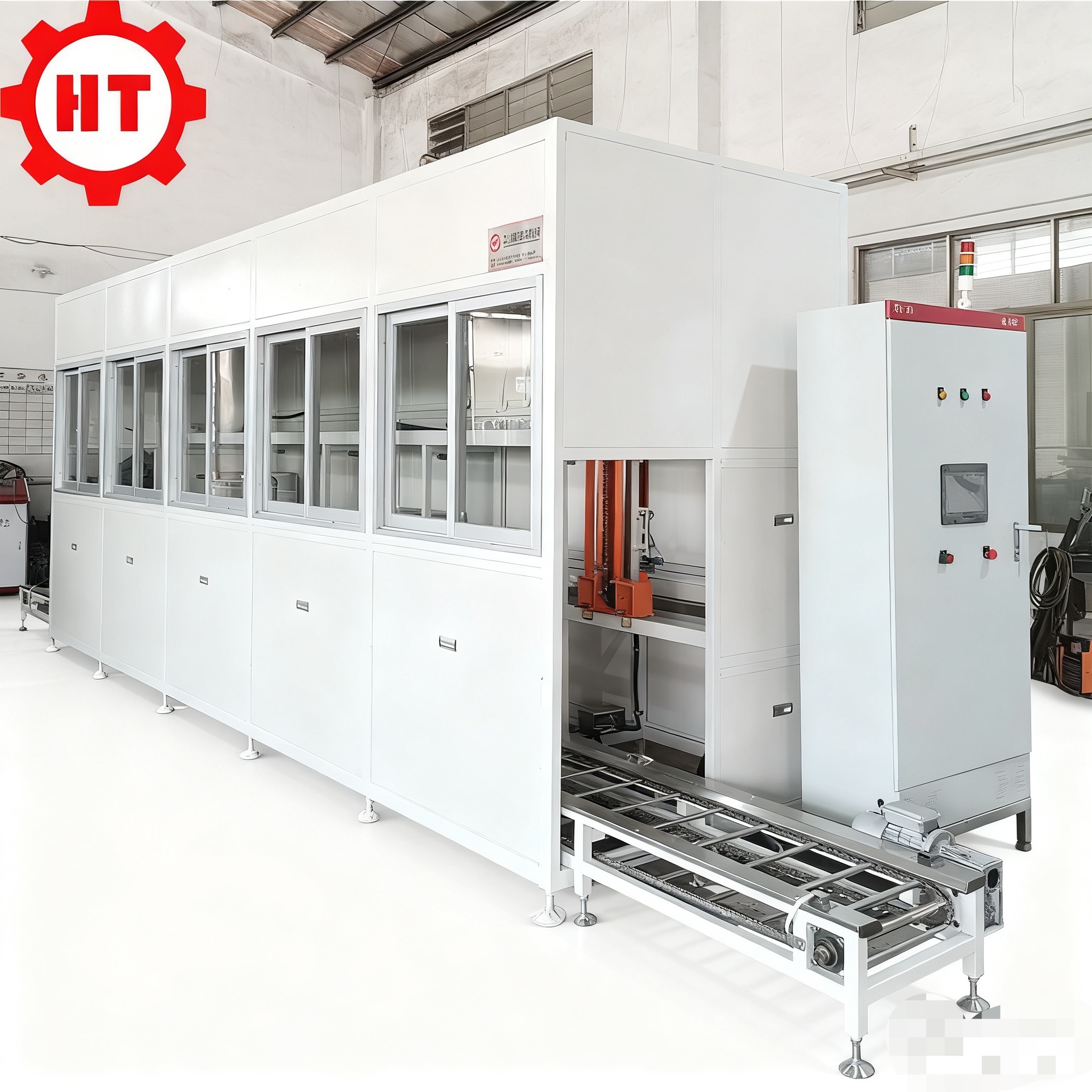
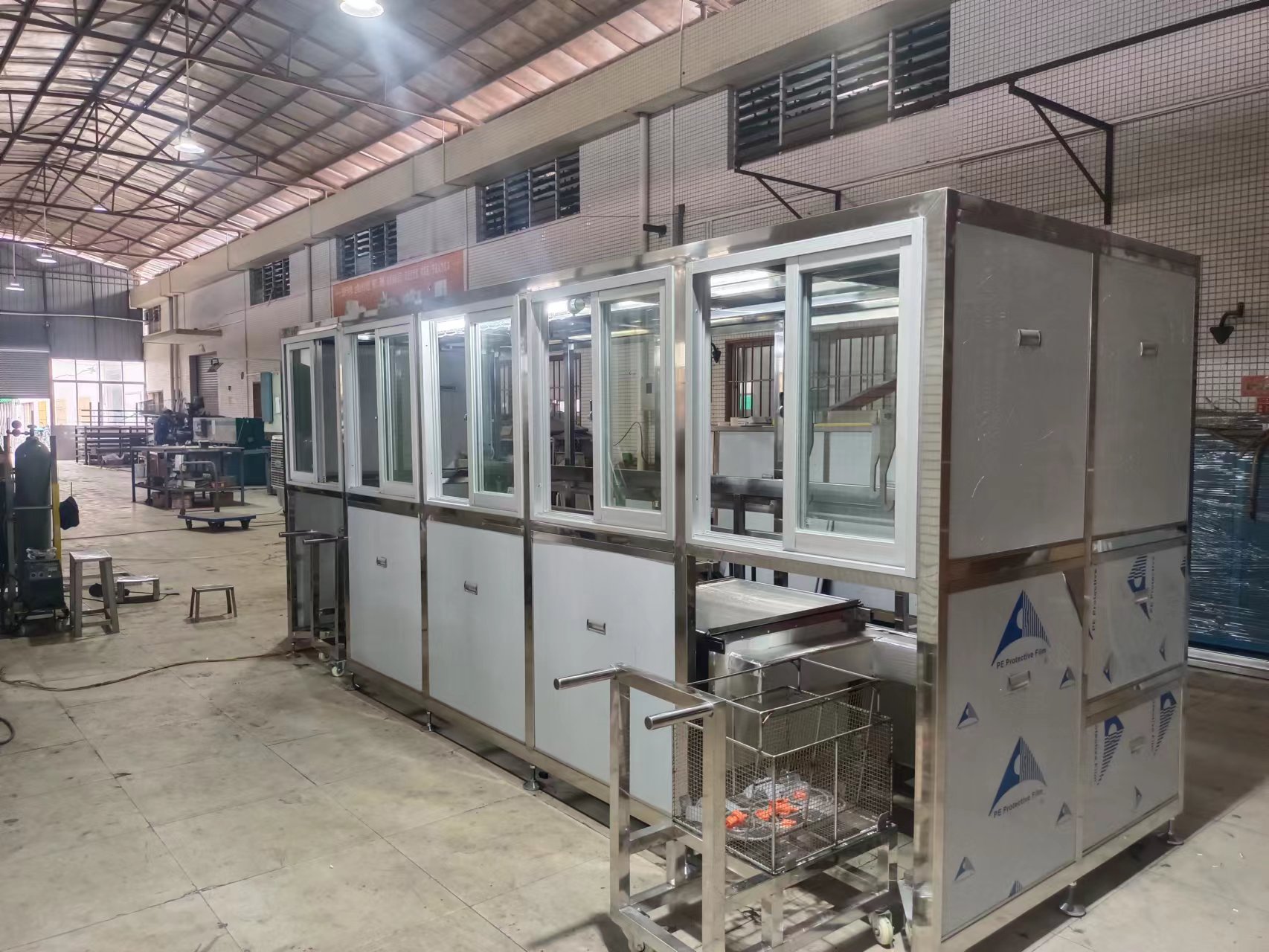
Cleaning a part is only half the battle. If a metal component is left wet, it will rapidly begin to rust or oxidize. Modern manufacturing setups usually incorporate tunnel drying ovens or multi-layer belt dryers immediately after the wash cycle. These drying ovens can be customized in length and temperature to ensure every part emerges completely dry and ready for the next phase of production.
Additionally, factories must consider how they handle the wastewater generated by these processes. Advanced equipment providers offer integrated water treatment systems. These additions filter out oils and heavy metals, allowing the factory to recycle the wash water or safely dispose of it in compliance with local environmental regulations.
The ideal temperature depends on the specific detergent and the contaminant. Generally, heating the water between 120°F and 160°F helps melt away heavy oils and grease, making the chemical detergents work much faster.
Spray methods struggle to reach inside deep crevices. For these geometries, ultrasonic technology is the industry standard. The microscopic cavitation bubbles can form and implode anywhere the liquid touches, ensuring a thorough clean even in the most restricted spaces.
Yes, but you must carefully manage the chemicals used. An alkaline detergent that works perfectly on stainless steel might stain or corrode sensitive aluminum parts. You may need to switch detergents or adjust concentrations between batches.
Upgrading your factory's washing capabilities will drastically reduce part rejection rates and manual labor costs. By partnering with experienced manufacturers who offer custom Industrial Cleaning Systems, you can build a setup tailored exactly to your space and production speed.
Take the time to analyze your specific materials, production volume, and contamination levels. With a clear understanding of your requirements, you can confidently select equipment that will keep your production line running smoothly and efficiently for years to come.


