You can send an email: htkim@ultrasonic-washer.com


Ht Washer Equipment Focus on washing machine equipment solutions.


Views: 0 Author: Site Editor Publish Time: 2026-04-25 Origin: Site


Manufacturing processes leave behind grease, oil, carbon deposits, and metal shavings. If left unchecked, these contaminants ruin machinery, compromise product quality, and create severe safety hazards. This is where heavy-duty cleaning solutions step in.
Understanding the specific applications of these machines can help you choose the right system for your facility. In this guide, we will explore the core purposes of industrial washers, the industries that rely on them the most, and how different technologies tackle stubborn grime.


At its most basic level, industrial cleaning involves removing unwanted substances from parts, tools, and machinery. However, the scale and precision required go far beyond standard commercial cleaning. Manufacturers need reliable methods to strip away heavy lubricants, baked-on carbon, rust, and microscopic debris without damaging the underlying materials.
Choosing the right cleaning equipment ensures that parts function correctly and meet stringent quality control standards. For example, before a metal component can receive a coat of paint or a special plating, its surface must be entirely free of oils. Even a microscopic layer of grease will cause the coating to fail, leading to costly rework.
Beyond surface preparation, routine cleaning extends the lifespan of expensive machinery. When filters, valves, and engine components remain free of sludge and carbon, they operate more efficiently and require fewer repairs.
Almost every sector involved in manufacturing or heavy maintenance requires specialized washing systems. Here are a few industries where thorough cleaning is absolutely critical:
Car engines and transmissions generate immense amounts of heat and friction. Over time, parts become coated in thick sludge and baked-on carbon. Mechanics and auto manufacturers use specialized systems to restore engine blocks, carburetors, and fuel injectors to a factory-new condition.
Airplanes operate under extreme stress and strict safety regulations. A single failing part can lead to catastrophic consequences. Aerospace engineers must clean turbine blades, landing gear, and hydraulic components to exacting standards. Any residue left behind can interfere with crack-detection tests during routine inspections.
Surgical instruments, implants, and pharmaceutical manufacturing equipment require perfectly sterile surfaces. Medical facilities use high-grade washing systems to remove biological matter and manufacturing residues before the final sterilization process.
Printed circuit boards (PCBs) and sensitive electronic components easily suffer damage from dust, flux residue, and moisture. Specialized cleaning machines gently remove these contaminants without harming delicate solder joints or microchips.
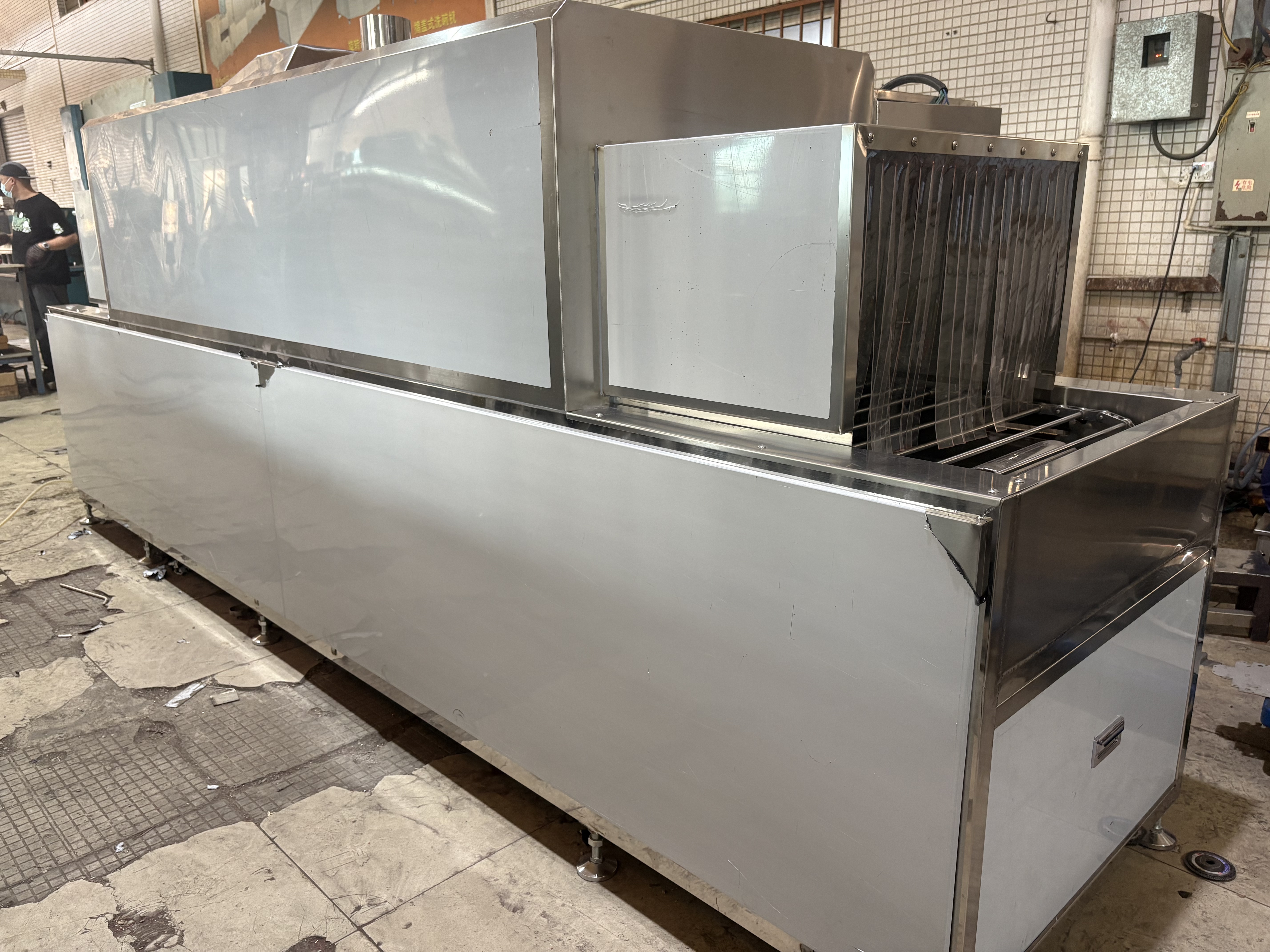
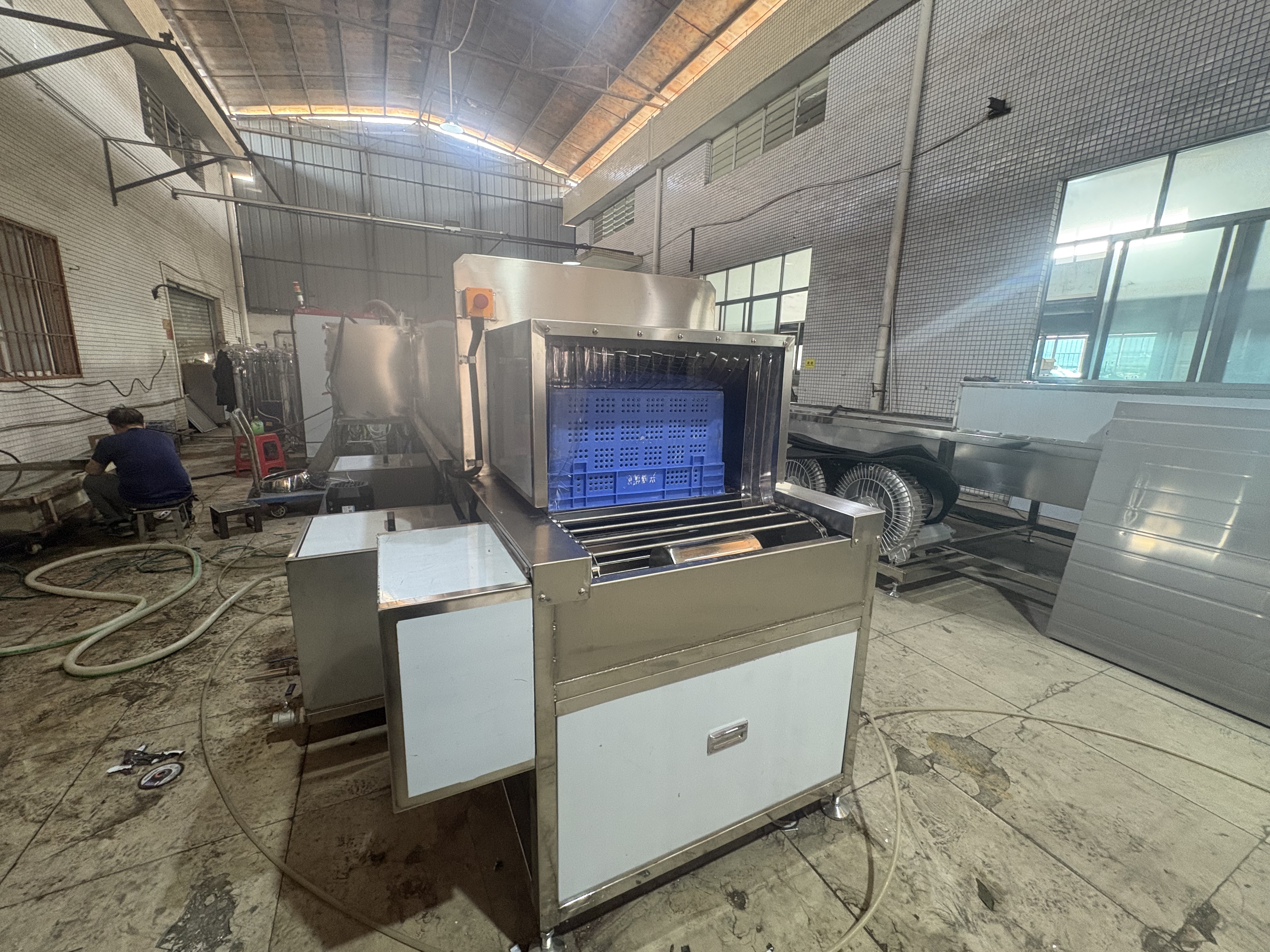
The method you choose depends on the size of the parts, the type of contaminant, and the required level of cleanliness.
Agitation washers dunk parts into a vat of heated detergent and move them up and down. This mechanical action breaks away loose dirt and oils. Spray cabinets function like heavy-duty dishwashers. They blast parts with high-pressure jets of hot water and specialized detergents from multiple angles.
For high-volume operations handling baskets of smaller components, an Ultrasonic Parts Washer provides an incredibly efficient solution. These systems can process large batches simultaneously, ensuring every single item in the basket receives a thorough, consistent wash without requiring manual scrubbing.
Sometimes, high-pressure sprays and mechanical agitation simply cannot reach every crevice of a complex part. Blind holes, threaded internal passages, and intricate geometries hide grease and metal shavings that traditional washers miss.
This is where ultrasonic technology excels. An Ultrasonic Cleaner uses high-frequency sound waves generated by transducers attached to the cleaning tank. These sound waves travel through the liquid, creating millions of microscopic bubbles.
When these bubbles come into contact with a solid surface, they collapse implosively. This process, known as cavitation, creates tiny, powerful shockwaves that physically scrub the surface of the part. Because the bubbles are microscopic, they penetrate the smallest blind holes and tightest corners, pulling contaminants away from areas that a brush or spray jet could never reach.
This technology significantly reduces labor costs. Instead of a worker spending hours scrubbing intricate parts by hand, they simply place the items in the basket, set the timer, and let the cavitation process do the heavy lifting.
To better understand how these systems compare, review the breakdown of common cleaning methods, their best applications, and the contaminants they remove most effectively.
Cleaning Method | Best For | Contaminants Removed | Typical Industries |
|---|---|---|---|
High-Pressure Spray Cabinets | Large, heavy parts with simple geometries | Heavy grease, loose dirt, thick oils | Automotive, Heavy Machinery, Rail |
Agitation Washers | Sturdy parts requiring continuous fluid movement | Loosely bound chips, cutting fluids | General Manufacturing, Metalworking |
Ultrasonic Cleaning | Complex geometries, blind holes, delicate items | Baked-on carbon, flux, microscopic debris | Aerospace, Medical, Electronics |
Vapor Degreasing | Parts requiring rapid, spot-free drying | Soluble oils, greases, waxes | Precision Engineering, Optics |
As the table shows, no single method works perfectly for every scenario. Facilities often combine methods, using a spray cabinet to knock off heavy grease before moving the part to a cavitation tank for precision finishing.
Investing in the proper industrial washing system directly impacts your operational efficiency and product quality. When evaluating your options, carefully consider the exact types of parts you process. Measure your largest components to ensure they fit within the machine's basket or tank.
Next, identify the specific contaminants you need to remove. Heavy carbon buildup requires a different approach than light machining oil. Finally, consider your throughput requirements. If you need to clean hundreds of parts per hour, you will need an automated system that can keep up with your production line.
By understanding what industrial cleaning equipment is used for and matching the technology to your specific application, you can eliminate manual labor, reduce chemical waste, and ensure every part meets your exact specifications. Explore the different systems available and consult with equipment specialists to design a cleaning process that elevates your manufacturing capabilities.


